Maharashtra State Cabinet Greenlights Co-Opted Members in Zilla Parishads and Panchayat Samitis
Synopsis
The Maharashtra State Cabinet has approved the appointment of co-opted members to Zilla Parishads and Panchayat Samitis, enhancing expertise in rural governance. This strategic move aims to improve decision-making and administrative efficiency by incorporating specialists into local bodies.
Key Takeaways
Maharashtra State Cabinet has approved co-opted members in Zilla Parishads and Panchayat Samitis.
This initiative aims to enhance local governance through expert representation.
It aligns rural local bodies with urban governance practices.
The decision is expected to improve decision-making and accelerate development.
Political analysts view this as a strategic move ahead of upcoming elections.
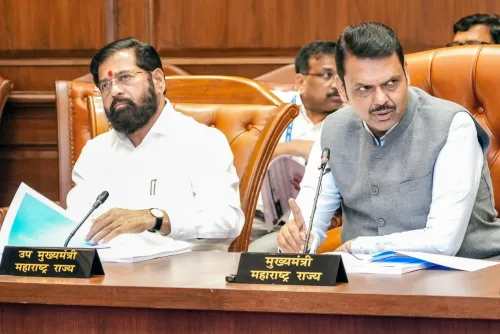
Mumbai, February 27 (NationPress) To bolster the administrative framework and ensure expert representation within local governance, the Maharashtra State Cabinet has sanctioned the inclusion of co-opted members in Zilla Parishads (ZP) and Panchayat Samitis.
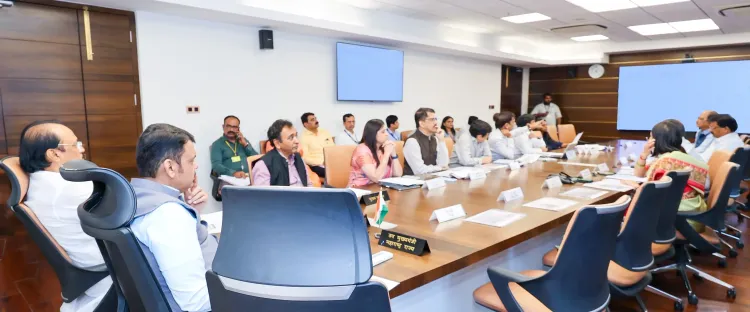
This decision was reached during a cabinet meeting held late Thursday night, aligning rural local bodies with the existing provisions for Municipal Corporations and Municipal Councils, which already allow the nomination of specialists and seasoned professionals as co-opted members.
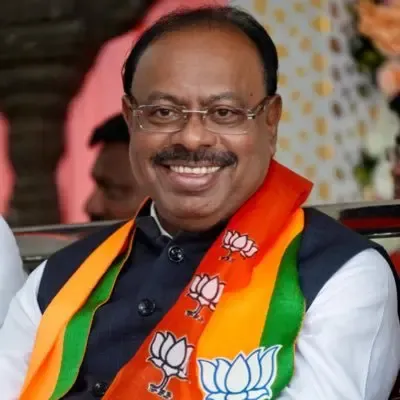
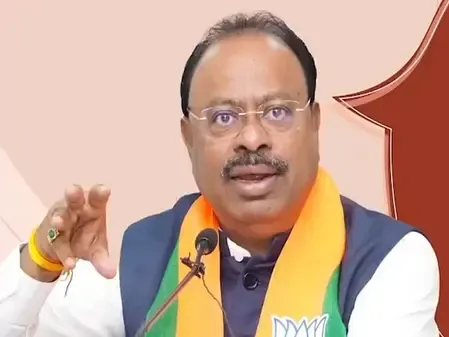
For the first time, Zilla Parishads and Panchayat Samitis will incorporate individuals who are not directly elected but are appointed based on their specialized expertise in local governance and social sectors. This initiative follows a formal request from Revenue Minister Chandrashekhar Bawankule, who urged the Chief Minister to implement such a provision to ensure that rural entities benefit from the insights of experienced professionals, akin to the system utilized in urban local governments.
As per governmental sources, the primary aim of this initiative is to improve the quality of decision-making and enhance administrative efficiency within these rural institutions. By integrating individuals with technical or social knowledge, the government intends to expedite development initiatives at both the district and taluka levels.
The cabinet's decision facilitates necessary amendments to the Maharashtra Zilla Parishads and Panchayat Samitis Act. Following the legal modifications, Zilla Parishads will be permitted to appoint a designated number of co-opted members to their general body, with similar provisions made for Panchayat Samitis to aid in local planning and implementation.
Political analysts perceive this as a strategic maneuver by the state government to incorporate experienced leadership and subject matter experts who, despite not having contested direct elections, possess valuable skills for contributing to rural development. The Rural Development Department is anticipated to issue a final Government Resolution (GR) detailing the eligibility criteria and the exact number of members eligible for co-option in each segment.
This cabinet decision comes shortly after the Mahayuti alliance—encompassing the BJP, the Eknath Shinde-led Shiv Sena, and the Nationalist Congress Party (NCP)—secured 552 out of 731 seats in Zilla Parishads. The BJP has emerged as the dominant party statewide, achieving majorities in districts like Sindhudurg, Satara, Solapur, Latur, and Dharashiv. The outcomes of these local body elections are being interpreted as a precursor to the upcoming Assembly cycles.
As the Maha Vikas Aghadi struggles to retain its grassroots presence, the Mahayuti's success in consolidating both OBC and Maratha votes across various districts indicates a significant transformation in the state’s political landscape.
Point of View
The Maharashtra State Cabinet's decision to appoint co-opted members in Zilla Parishads and Panchayat Samitis reflects a strategic approach to enhance local governance. This initiative recognizes the value of expert contributions in rural development and seeks to improve the efficiency of decision-making processes.
NationPress
20 Sept 2026
Frequently Asked Questions
What are co-opted members in Zilla Parishads?
Co-opted members in Zilla Parishads are individuals who are appointed based on their expertise and experience in relevant fields, rather than being directly elected.
Why was this decision made?
The decision was made to improve the quality of governance and decision-making in rural local bodies by integrating specialized knowledge and experience.
Who proposed the co-option of members?
The proposal was advocated by Revenue Minister Chandrashekhar Bawankule to ensure that rural local bodies benefit from expert guidance.
What is the expected impact of this decision?
The expected impact includes enhanced administrative efficiency and accelerated development projects at the district and taluka levels.
When will the changes take effect?
The changes will take effect once the necessary amendments to the Maharashtra Zilla Parishads and Panchayat Samitis Act are made.