Maharashtra fuel supply stable amid Middle East tensions, PSUs assure no shortage
Synopsis
Maharashtra's three PSU oil firms are fielding an 18-22% fuel demand surge — driven by farm season, a ₹30-per-litre price gap pulling consumers from private outlets, and Middle East supply anxiety — while simultaneously fast-tracking a PNG network that already leads the country. The state is managing a short-term crunch and a long-term energy pivot at the same time.
Key Takeaways
BPCL , IOCL , and HPCL assured uninterrupted fuel supply across Maharashtra on 25 May 2026 amid Middle East geopolitical tensions.
Petrol demand rose 18.54% and diesel demand climbed 22.3% year-on-year in the first three weeks of May 2026.
A total of 402 TKL of petrol and 789 TKL of diesel were supplied across the state in that period.
Maharashtra holds approximately 31,789 MT of LPG stock ; commercial LPG supply is at 60% of pre-war levels , with 100% maintained for priority sectors.
Maharashtra has 44 lakh PNG connections — the highest in India — with 1,03,094 new connections energised since 1 April 2026 .
Authorities have urged consumers and farmers to avoid panic buying, confirming stocks are adequate across all districts.
BPCL, IOCL, and HPCL — India's three major public sector oil marketing companies — on Monday, 25 May 2026, assured consumers across Maharashtra that petrol, diesel, and LPG stocks remain adequate and supply operations are running without disruption, even as geopolitical tensions in the Middle East continue to rattle global energy supply chains. The assurance was issued through Mihir Ganesh Joshi, State Level Coordinator (Oil Industry), Maharashtra.
Fuel Demand Surges Across Maharashtra
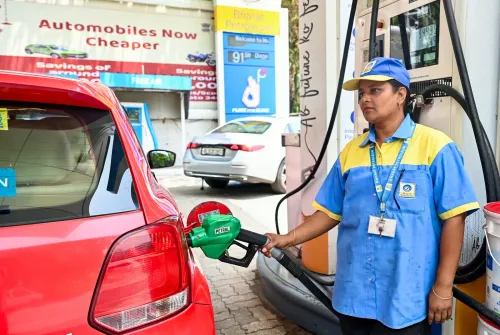
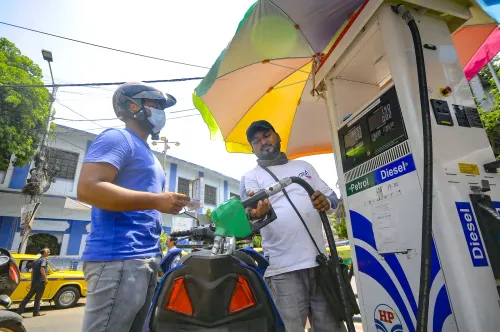
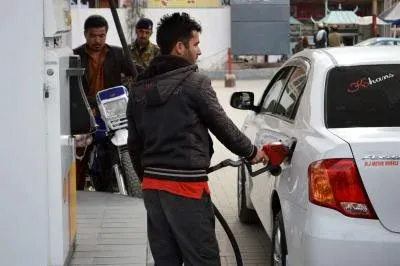
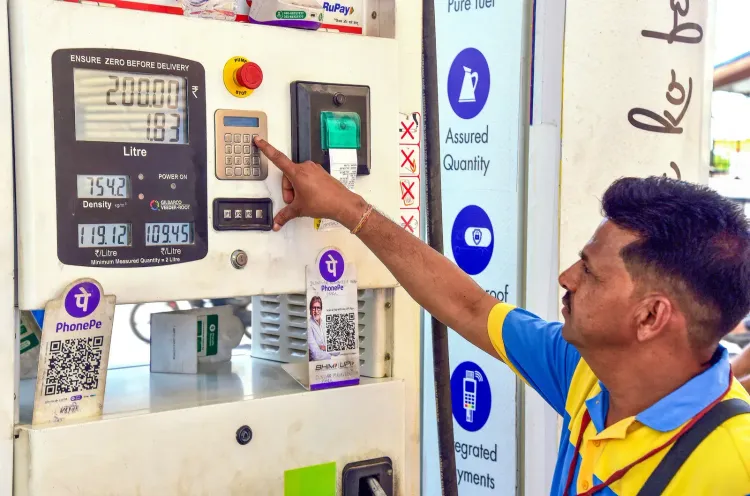
Between 1 May 2026 and 21 May 2026, Maharashtra recorded a sharp jump in fuel consumption compared to the same period last year. Petrol demand rose 18.54% and diesel demand climbed 22.3% year-on-year. During this period, the three PSU oil firms collectively supplied 402 Thousand Kilo Litres (TKL) of petrol and 789 TKL of diesel across the state.
Officials attributed the demand spike to seasonal agricultural activity in multiple districts, a migration of private-company retail customers to PSU outlets owing to lower prices, and a visible shift of institutional and industrial consumers to retail fuel outlets — driven by a price differential of approximately ₹30 per litre.
No Panic Buying, Authorities Urge Calm
'Citizens across Maharashtra have been requested not to resort to panic buying or hoarding of petroleum products. The Government of India, Government of Maharashtra, and PSU oil companies are ensuring proper and smooth supply of petroleum products across the state,' the government release stated.
Stocks at petrol pumps are being regularly monitored and replenished by both state authorities and the oil companies to maintain uninterrupted availability. Consumers and farmers have specifically been advised to avoid stockpiling, given that sufficient supplies are in place.
LPG Stock Position and Distribution Rules
Maharashtra currently holds approximately 31,789 MT of LPG stock across all three PSU oil marketing companies. Distributor stocks are being regularly replenished, and domestic LPG cylinder deliveries are continuing as per customer bookings.
To ensure equitable access, booking interval restrictions remain in effect — 25 days for urban customers and 45 days for rural customers. Consumers have been advised to use digital platforms for refill bookings and avoid visiting LPG showrooms unnecessarily. LPG refills will continue to be delivered directly to customers' residences, according to the official release.
Notably, commercial LPG supply currently stands at approximately 60% of pre-war levels, though 100% supply is being maintained for priority sectors including hospitals, educational institutions, crematoriums, and social care institutions.
PNG Network Expansion Fast-Tracked
In a parallel move to ease long-term energy pressure, the Government of Maharashtra issued deemed permission on 27 March 2026 for pending applications to lay City Gas Distribution (CGD) pipelines by municipal corporations, the PWD, the Irrigation Department, and other concerned authorities.
Maharashtra already has approximately 44 lakh PNG connections — the highest in the country. Since 1 April 2026, a further 1,03,094 new PNG gas connections have been energised in the state, also among the highest nationally. The government has initiated a fast-track expansion of the CGD network to further reduce dependence on bottled and retail fuel.
Broader Context
This comes amid sustained uncertainty in global energy markets linked to the ongoing conflict in the Middle East, which has disrupted shipping routes and pressured crude oil supply chains worldwide. India, as a major importer, has been navigating these pressures through strategic stock management and supply-chain coordination. Maharashtra's fuel demand surge — driven partly by structural shifts in consumer behaviour toward PSU outlets — adds a domestic dimension to what is otherwise a global supply challenge. The fast-tracking of PNG infrastructure signals that state authorities are treating the current situation as a prompt to accelerate long-term energy diversification, not merely a short-term crisis to be managed.
Point of View
PSU outlet congestion will remain elevated regardless of geopolitical conditions. More telling is the state's decision to fast-track PNG permissions in the middle of a supply emergency: it signals that Maharashtra is treating this crisis as political cover to push through infrastructure approvals that were stuck in bureaucratic queues. Whether the 1-lakh-plus new PNG connections since April translate into meaningful demand substitution — or remain a headline number — will be the real test of this strategy.
NationPress
19 Sept 2026
Frequently Asked Questions
Is there a petrol or diesel shortage in Maharashtra right now?
No. As of 25 May 2026, BPCL, IOCL, and HPCL have confirmed that adequate petrol and diesel stocks are available at pumps and storage locations across Maharashtra. Authorities have urged consumers not to panic-buy, stating supply is being actively monitored and replenished.
Why has fuel demand surged in Maharashtra in May 2026?
Fuel demand surged due to seasonal agricultural activity, a migration of private-company retail customers to PSU outlets because of lower prices, and a shift by institutional consumers driven by a price differential of approximately ₹30 per litre. Petrol demand rose 18.54% and diesel demand climbed 22.3% year-on-year in the first three weeks of May 2026.
What is the current LPG stock situation in Maharashtra?
Maharashtra has approximately 31,789 MT of LPG stock across the three PSU oil companies. Domestic deliveries are continuing as per customer bookings, with booking intervals set at 25 days for urban and 45 days for rural customers. Commercial LPG supply is at about 60% of pre-war levels, but 100% supply is maintained for hospitals, schools, crematoriums, and social care institutions.
How is Maharashtra expanding its PNG network?
The Government of Maharashtra issued deemed permission on 27 March 2026 for pending CGD pipeline applications by municipal corporations and other authorities. Since 1 April 2026, over 1,03,094 new PNG connections have been energised, adding to the state's existing 44 lakh connections — the highest in the country.
How are Middle East tensions affecting fuel supply in Maharashtra?
Ongoing geopolitical tensions in the Middle East have disrupted global energy supply chains, creating pressure on crude oil imports. However, state authorities and PSU oil companies say supply operations in Maharashtra are being closely monitored and maintained without disruption, with stocks described as adequate across all districts.