Will MahaYuti Achieve a 51% Vote Share in Municipal Corporations?
Synopsis
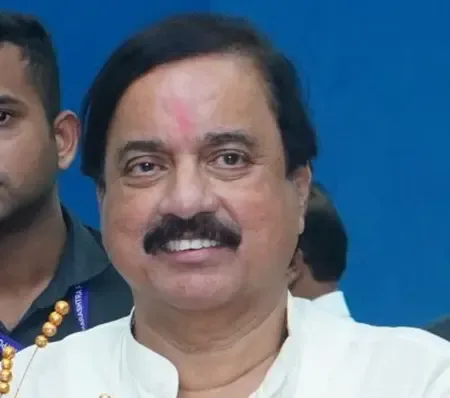
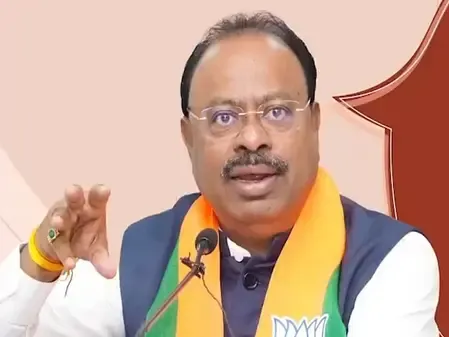
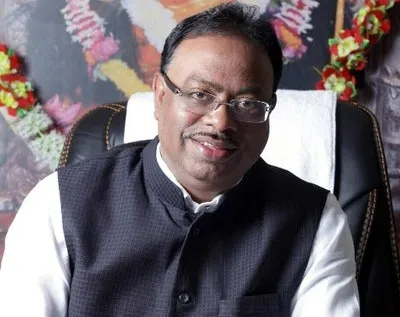
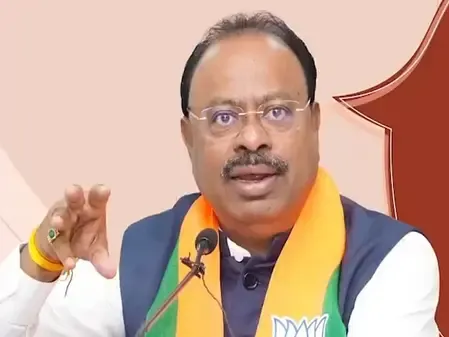
On December 31, Maharashtra's Revenue Minister Chandrashekhar Bawankule conveyed strong optimism for MahaYuti's success in the upcoming municipal elections, anticipating over 51% of the vote share. He emphasized this as a mandate for development, pointing to long-term plans for Mumbai and contrasting the coalition's vision against the fragmented opposition.
Key Takeaways
MahaYuti aims for over 51% vote share in municipal elections.
The target signifies a mandate for development .
Long-term plans for Mumbai include visions for 2029 , 2035 , and 2047 .
The coalition seeks a two-thirds majority in municipal corporations.
Internal dynamics among partners are managed for local representation.
Mumbai, Dec 31 (NationPress) Maharashtra Revenue Minister Chandrashekhar Bawankule expressed a strong belief that the MahaYuti, which includes the BJP, Shiv Sena, and NCP, will achieve over 51 percent of the overall vote share across 29 municipal corporations.
Bawankule highlighted that the 51 percent target signifies a clear mandate for development.
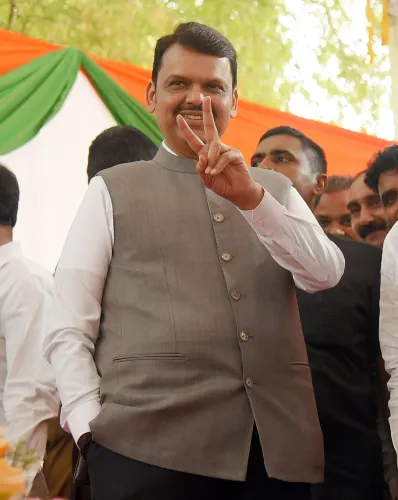
He pointed out the 2029, 2035, and 2047 development plans for Mumbai, created by Devendra Fadnavis, insisting that the BJP's triumph will arise from these progressive visions, contrary to the “identity politics” employed by their opponents.
He claimed this vote share would lead to a substantial two-thirds majority, ensuring that all mayors of the 29 municipal corporations are from the MahaYuti.
Bawankule stated that the “Double Engine” government of PM Modi and Deputy Chief Minister Devendra Fadnavis has gained the public's trust, which will be reflected in these record-breaking figures.
“The MahaYuti is not merely aiming for victory; we aspire to dominate with over 51 percent of the public mandate. Regardless of whether we contest together or separately in certain areas, our aim is a decisive win for the pro-development coalition,” Bawankule remarked.
While pursuing the 51 percent target, Bawankule clarified the operational strategy of the alliance in regions where they are competing against one another. He noted that even in the 24 corporations of the 29 municipal corporations where MahaYuti partners are contesting individually, their combined vote share is anticipated to surpass the 51 percent threshold, effectively sidelining the opposition (MVA).
He suggested that despite local contests, the partners remain committed to the MahaYuti framework at the state level and are likely to unite to form the local government (appointing Mayors) after the results are in.
“Our main objective is the development of Maharashtra’s cities. If local dynamics necessitate separate contests to ensure better representation for the populace, we will proceed without compromising our state-level unity,” Bawankule emphasized.
Bawankule utilized the 51 percent goal to illustrate the strength of the MahaYuti compared to the “declining” state of the Maha Vikas Aghadi (MVA).
He asserted that the MVA is functioning with a “defeated mindset” and that internal strife among the Congress, Sharad Pawar, and Thackeray factions has rendered them incapable of confronting the MahaYuti’s solidified support base.
Bawankule dismissed the potential UBT-MNS alliance in Mumbai as “emotional politics,” asserting that voters will favor the BJP’s “Development Blueprint” over emotional narratives.
Point of View
It's crucial to recognize the implications of Chandrashekhar Bawankule's declarations regarding the MahaYuti coalition. Their ambitious target of over 51% vote share reflects a strategic focus on development, contrasting sharply with the fragmented opposition. While optimism can drive voter engagement, the real test will come with the election results. The dynamics among political alliances will continue to evolve, shaping Maharashtra's governance.
NationPress
30 Sept 2026
Frequently Asked Questions
Who is Chandrashekhar Bawankule?
Chandrashekhar Bawankule is the Maharashtra Revenue Minister, representing the BJP and a key figure in the MahaYuti alliance.
What is the significance of the 51% vote target?
The 51% vote target is seen as a mandate for development, indicating the alliance's ambition to dominate municipal elections and implement significant urban development plans.
What are the future development plans mentioned?
The future development plans for Mumbai include visions for 2029, 2035, and 2047, aimed at modernizing infrastructure and enhancing urban living.
How does the MahaYuti plan to deal with internal competition?
The MahaYuti plans to maintain a united front at the state level while allowing for separate contests in local elections to ensure better representation.