Manipur CM Pleads: Accept Slain Children's Bodies After 19 Days
Synopsis
Two young children killed in a bomb attack in Manipur's Bishnupur district on April 7 remain unclaimed in a morgue 19 days later, as Manipur CM Yumnam Khemchand Singh pleads with the family to accept the bodies amid massive COCOMI-led protests and NIA investigation underway.
Key Takeaways
A 5-year-old boy and his 6-month-old sister were killed in a bomb attack at Tronglaobi village, Bishnupur district on April 7, 2025 , allegedly by Kuki militants.
The children's bodies have remained in a morgue for 19 days as the family refuses to claim them until arrests are made.
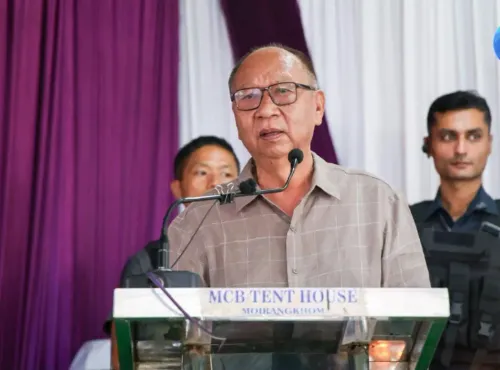
Manipur CM Yumnam Khemchand Singh personally appealed to the family to accept the bodies on April 25 , following a meeting with a COCOMI delegation.
The National Investigation Agency (NIA) has taken over the Bishnupur blast case, with a team led by an Inspector General already visiting the blast site.
Security forces used tear gas shells against thousands of protesters who attempted to breach barricades during the COCOMI rally in Imphal.
The April 18 Ukhrul district ambush , in which two Naga civilians were killed, has also been handed over to the NIA for investigation.
Imphal, April 25: Manipur Chief Minister Yumnam Khemchand Singh on Saturday made an emotional appeal to the families of two young children — a 5-year-old boy and his 6-month-old sister — killed in a suspected militant bomb attack in Bishnupur district on April 7, urging them to claim the bodies that have been lying in a morgue for 19 days. The appeal came as thousands of protesters flooded the Imphal Valley, demanding justice, accountability, and lasting peace in the conflict-torn state.
The Bishnupur Bomb Attack: What Happened
In the early hours of April 7, suspected Kuki militants hurled a powerful improvised explosive device at a residential home in Tronglaobi village, Bishnupur district, while the family slept. The blast killed a 5-year-old boy and his 6-month-old infant sister on the spot, while their mother sustained serious injuries.
The grieving family members refused to accept the bodies, declaring they would only do so after the perpetrators were identified, arrested, and punished. For 19 days, the children's remains have remained in a morgue — a haunting symbol of the unresolved violence gripping Manipur.
This is not an isolated incident. Since ethnic clashes erupted between the Meitei and Kuki-Zo communities in May 2023, Manipur has witnessed over 250 deaths, mass displacement of nearly 60,000 people, and a near-complete breakdown of inter-community trust — making the killing of these two children one of the most emotionally charged incidents in recent months.
Massive COCOMI Protests Paralyse Imphal Valley
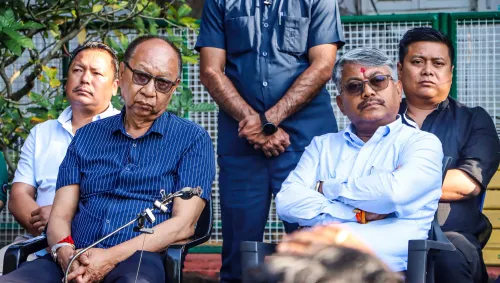
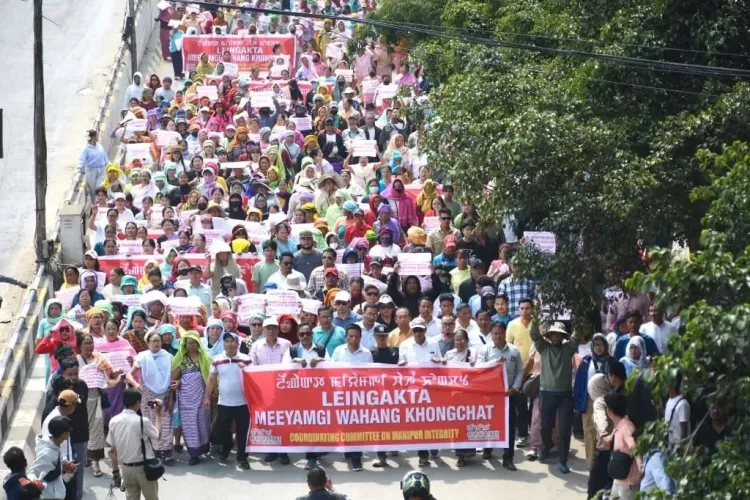
On Saturday, April 25, thousands of citizens — including large numbers of women — participated in a protest rally organised by the Coordinating Committee on Manipur Integrity (COCOMI), the apex body representing the Meitei community. The rally converged towards the iconic Kangla Fort Western Gate, a historically and politically significant landmark in Imphal.
Security forces deployed at multiple checkpoints intermittently used tear gas shells to push back demonstrators who attempted to breach barricades while marching towards the Chief Minister's official bungalow. A police official confirmed the use of tear gas after protesters tried to cross security cordons.
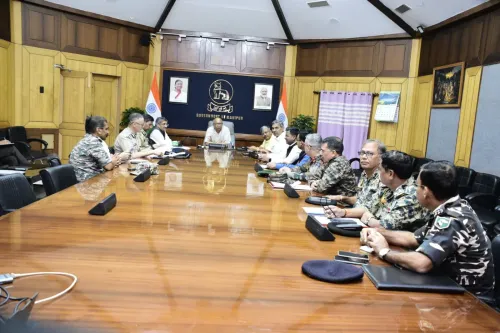
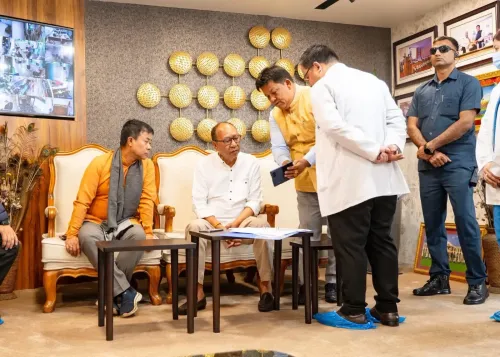
Following sustained pressure, a COCOMI delegation was permitted to meet Chief Minister Singh and submit a memorandum containing seven key demands, including justice for the slain children, rehabilitation of displaced persons, and restoration of permanent peace across Manipur.
Government Response and NIA Probe
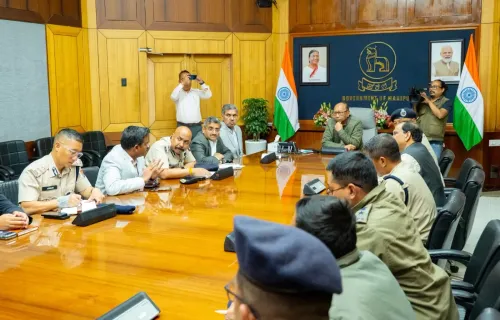
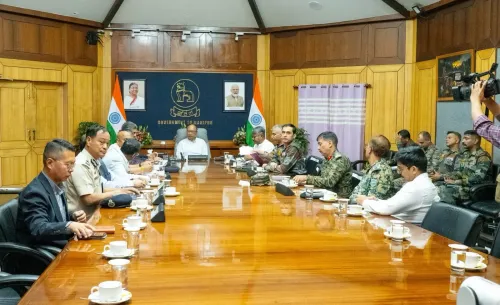
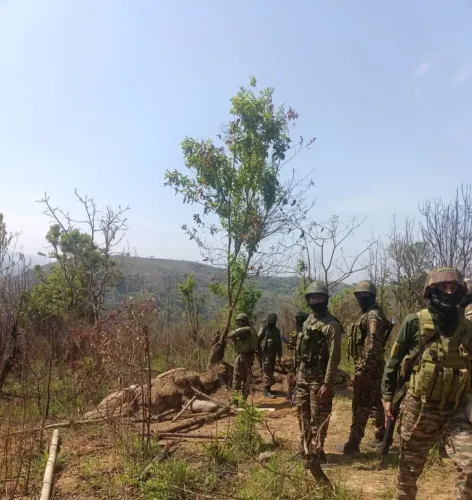
After the meeting with COCOMI representatives, CM Singh, flanked by Home Minister Konthoujam Govindas Singh, stated that security agencies are conducting round-the-clock operations to trace and apprehend those responsible for the Tronglaobi blast. He confirmed that the case has been formally handed over to the National Investigation Agency (NIA).
A National Investigation Agency team, led by an Inspector General-rank officer, has already visited the blast site at Tronglaobi village as part of the ongoing investigation. The April 18 Ukhrul district ambush — in which two Naga civilians were killed — has also been transferred to the NIA, according to Home Minister Govindas Singh.
The Chief Minister described both the Bishnupur children's killing and the Ukhrul ambush as inhuman acts that have spread fear and anguish across the state. He reiterated that the government remains open to dialogue with all organisations and is actively seeking cooperation to restore peace and harmony.
Impact on Daily Life and Broader Crisis
CM Singh acknowledged that ongoing agitations, prolonged shutdowns, and persistent unrest have severely impacted daily wage earners, traders, and students across Manipur. The state has been under recurring economic blockades and hartals since the ethnic violence began in May 2023, crippling essential supply chains and livelihoods.
Notably, the fact that the bodies of two young children — the youngest just six months old — remain unclaimed in a morgue nearly three weeks after their killing underscores the depth of distrust between affected communities and the state administration. Critics argue that the government's inability to make a single arrest in the case within 19 days has emboldened protesters and deepened public anger.
The transfer of both high-profile cases to the NIA signals that the state government acknowledges its limitations in independently resolving the security crisis — a tacit admission that local law enforcement has been unable to break through entrenched militant networks operating along the hill-valley divide.
What Comes Next
With the NIA probe now formally underway and a seven-point memorandum submitted by COCOMI awaiting a formal government response, the coming days will be critical. The families of the slain children have not yet agreed to accept the bodies, and civil society groups have warned of escalating protests if concrete arrests are not made swiftly.
As Manipur enters its third year of ethnic conflict, the pressure on both the state government and the Centre to deliver justice — and not merely process — has never been greater. All eyes are now on the NIA's investigative timeline and whether the government's dialogue overtures translate into tangible action on the ground.
Point of View
Followed by a hasty NIA referral, suggests an administration that has outsourced accountability rather than exercised it. While the CM speaks of dialogue and peace, the ground reality — tear gas against grieving protesters, a second ambush in Ukhrul, and a third year of ethnic conflict — tells a story of institutional failure that no memorandum can paper over. The Centre's continued silence on direct intervention remains the elephant in the room.
NationPress
15 Oct 2026
Frequently Asked Questions
Who were the two children killed in the Bishnupur bomb attack in Manipur?
A 5-year-old boy and his 6-month-old infant sister were killed when suspected Kuki militants bombed their home in Tronglaobi village, Bishnupur district, on April 7, 2025. Their mother sustained serious injuries in the attack.
Why have the bodies of the slain Manipur children not been claimed for 19 days?
The family members of the two children refused to accept the bodies until those responsible for the attack were identified, arrested, and punished. As of April 25, no arrests had been made in the case.
What is COCOMI and why did it organise protests in Imphal?
COCOMI, or the Coordinating Committee on Manipur Integrity, is the apex body representing the Meitei community in Manipur. It organised large-scale protests on April 25 demanding justice for the slain children, rehabilitation of displaced persons, and restoration of peace in the state.
Has the NIA taken over the Bishnupur blast case in Manipur?
Yes, the National Investigation Agency has formally taken over the investigation into the Bishnupur bomb blast. An NIA team led by an Inspector General-rank officer has already visited the blast site at Tronglaobi village.
What is the current situation of ethnic conflict in Manipur?
Manipur has been gripped by ethnic violence between the Meitei and Kuki-Zo communities since May 2023, resulting in over 250 deaths and displacement of nearly 60,000 people. Recent incidents including the Bishnupur blast and the Ukhrul ambush have further intensified tensions in the state.