Manipur Unveils 'Ningol Van Initiative' for Forest Protection
Synopsis
On the International Day of Forests, Manipur's government launched the 'Ningol Van Initiative', emphasizing community involvement in forest conservation and the crucial role of women. This initiative aims to combat deforestation and illegal activities, marking a significant step in preserving the state's rich biodiversity.
Key Takeaways
Ningol Van Initiative focuses on community involvement in forest conservation.
Women play a pivotal role in nurturing nature and protecting biodiversity.
Over 74% of Manipur is covered by forests, crucial for the economy.
Efforts are underway to combat illegal poppy cultivation.
Tree plantation drives symbolize commitment to sustainability.
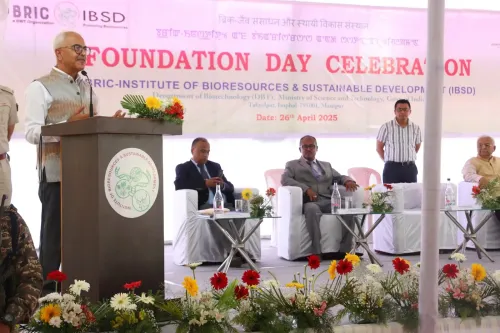
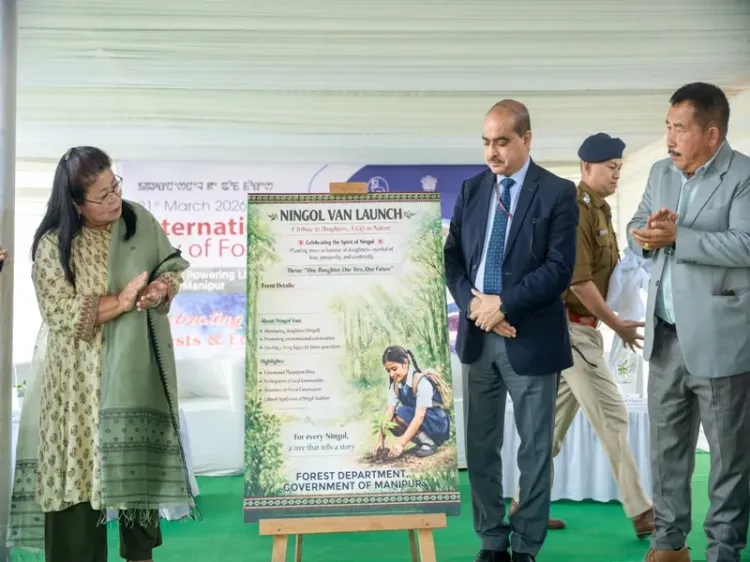
Imphal, March 22 (NationPress) In celebration of the International Day of Forests, the government of Manipur has reaffirmed its commitment to safeguarding forests, combating deforestation, and tackling illegal practices, such as poppy farming, as stated by officials. The launch of the “Ningol Van Initiative” was a significant feature of the event, aiming to enhance community involvement in forest preservation. This initiative highlights the essential role of women, referred to as “Ningols”, in protecting nature, fostering biodiversity, and advocating for sustainability.
Principal Chief Conservator of Forests, Anurag Bajpai, announced that similar initiatives will be introduced across all 16 districts in the state.
During his address, Bajpai, an esteemed Indian Forest Service (IFS) officer, emphasized that forests are the foundation of Manipur’s economy, with more than 74% of the state’s land area covered by forests. He pointed out that these natural resources not only support livelihoods but also ensure food security, playing a vital role in addressing future demands.
He mentioned that under the Van Dhan Vikas Kendras (VDVKs), 11 modern food-processing units have been established, with approximately 95% managed by women. This underscores the pivotal role women play in the state’s economic activities and reinforces the objectives of the Ningol Van Initiative.
Bajpai further stated that the number of VDVKs would be expanded to provide enhanced livelihood opportunities for local communities.
He raised concerns regarding human-induced forest fires, illegal hill excavations, unauthorized stone and boulder extraction, as well as the illicit cultivation of poppy, calling for united efforts to tackle these issues.
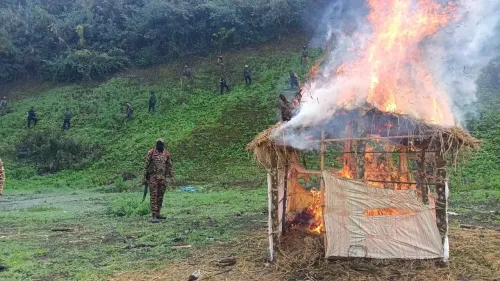
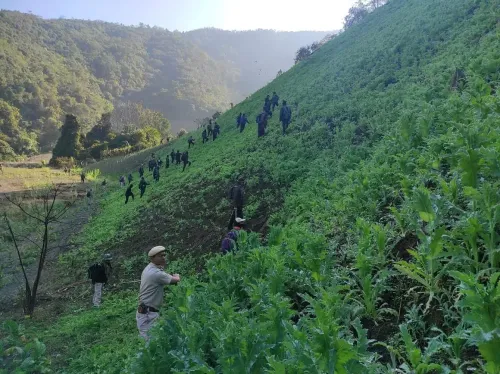
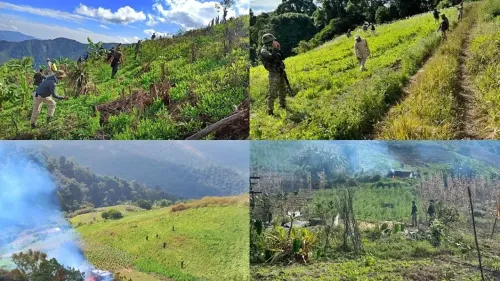
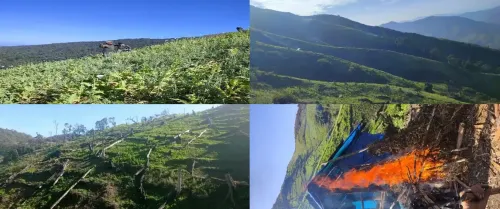
In terms of enforcement, he reported that 970 hectares of illegal poppy fields in hilly regions have been eradicated this year. Plans are underway to convert these reclaimed lands into bamboo plantations and areas for growing essential oil crops.
Additionally, Bajpai pointed out that forests support over 126,000 micro and food-processing units in Manipur, with nearly 244,000 artisans reliant on forest-derived raw materials like fibers and natural dyes.
He reiterated the critical importance of forests, stating that they are not just environmental assets but also vital resources that sustain communities under both normal and challenging conditions. He called for collective action to ensure forest conservation for future generations.
The event concluded with a tree-planting initiative, symbolizing a pledge towards environmental stewardship. Officials remarked that the observance of the International Day of Forests serves as a reminder of our shared duty to safeguard forest resources and promote sustainability.
Point of View
It's crucial to highlight the strategic importance of community involvement in environmental conservation. The Ningol Van Initiative not only addresses pressing issues like deforestation and illegal activities but also empowers women, fostering a sustainable future for Manipur.
NationPress
21 Sept 2026
Frequently Asked Questions
What is the Ningol Van Initiative?
The Ningol Van Initiative is a program launched by the Manipur government to enhance community participation in forest conservation, emphasizing the role of women in protecting biodiversity and sustainability.
Why are forests important to Manipur?
Forests are essential to Manipur's economy, supporting livelihoods, ensuring food security, and covering over 74% of the state's geographical area.
What measures are being taken against illegal poppy cultivation?
This year, 970 hectares of illegal poppy cultivation have been destroyed, with efforts being made to utilize these areas for bamboo and essential oil crops.
How many VDVKs are currently operational?
Currently, 11 micro food-processing units under the Van Dhan Vikas Kendras (VDVKs) have been established, with plans to increase this number for better livelihood support.
What was the conclusion of the event?
The event concluded with a tree plantation drive, reaffirming the commitment to environmental conservation and the importance of safeguarding forest resources.