Bhagwant Mann dismisses sacrilege accusations as 'dirty politics' in Punjab
Synopsis
Punjab CM Bhagwant Mann is fighting a crisis on two fronts: a Sikh clergy edict branding him 'Guru Dokhi' and a Haryana Police FIR probing an alleged ₹10 lakh deal to fake a forensic report on a viral video. His counter-offensive — blaming a BJP-Congress-Akali Dal nexus — sets up a high-stakes showdown before the Akal Takht on 29 June.
Key Takeaways
Punjab CM Bhagwant Mann on 24 June rejected sacrilege allegations as a 'dirty politics' campaign by the BJP , Congress , and Shiromani Akali Dal .
Mann posted a video message on X claiming the viral video was fake and forensically tested by labs he commissioned.
Haryana Police registered an FIR in Gurugram over an alleged ₹10 lakh -for-report deal; two people have been arrested.
Jaspreet Singh alleged two senior Punjab Police officers offered him ₹10 lakh to declare the video fake and AI-generated.
The Akal Takht declared Mann 'Guru Dokhi' on 15 June and has summoned Sikh legislators and ministers on 29 June .
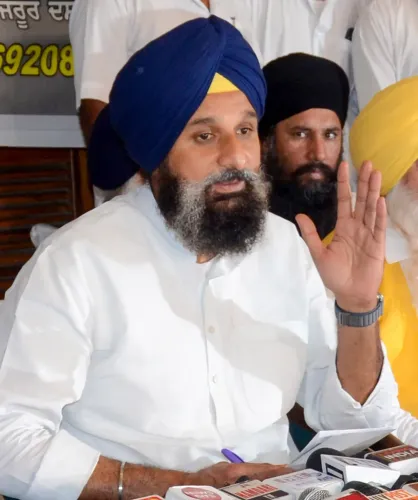
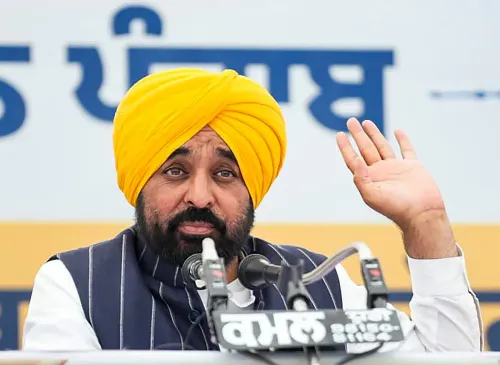
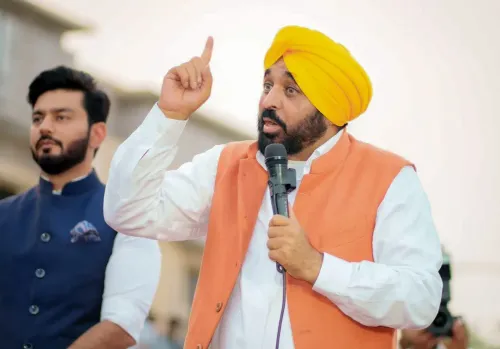
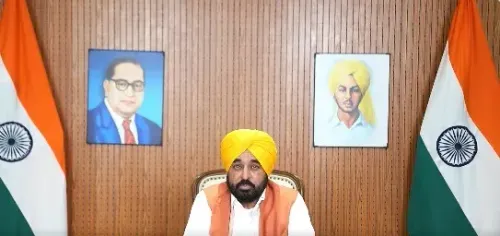
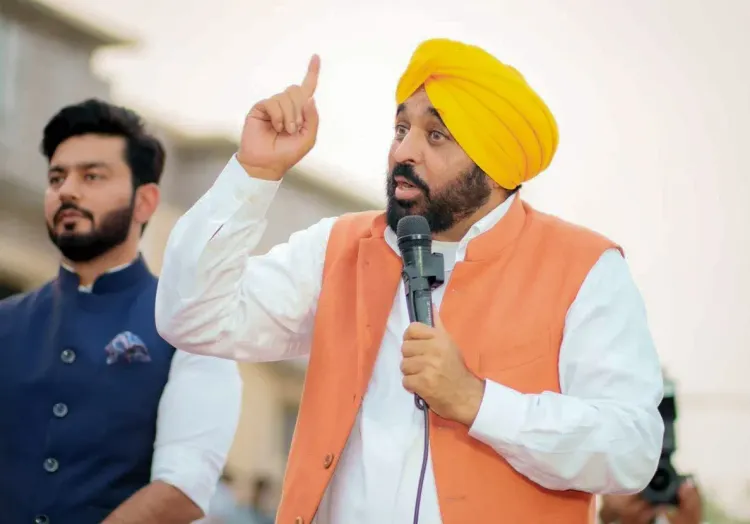
Punjab Chief Minister Bhagwant Mann on Wednesday, 24 June rejected allegations of 'sacrilegious conduct' levelled against him by political opponents, asserting that the accusations were part of a coordinated 'dirty politics' campaign designed to damage his reputation. Mann made his position clear through a video message posted on X, calling the controversy a deliberate political weapon.
What Mann Said in His Defence
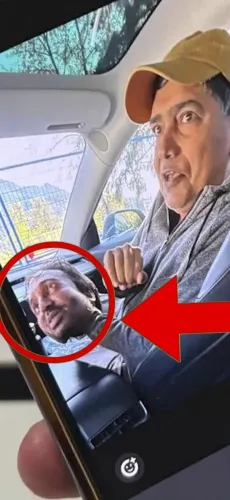
'When they have nothing else to control, they use religion to defame me,' Mann said, maintaining that the purported video allegedly showing desecration of Sikh gurus' photos was fabricated. He stated that neither his physical appearance nor his posture matched the individual in the video, and claimed the footage had been tested in forensic laboratories that confirmed it was fake.
Mann alleged a three-way nexus among the Bharatiya Janata Party (BJP), the Shiromani Akali Dal, and the Indian National Congress, accusing all three of using religion as a political instrument against him. 'By the fear of an FIR and torture, they are making the lab owners say that we took the money for a fake report,' he said, questioning why the forensic lab engaged by the opposition should be considered credible while the one he commissioned was not.
The Forensic Report Controversy
Haryana Police has registered an FIR in Gurugram in connection with the viral video case, and investigators are probing an alleged ₹10 lakh-for-report deal. Two individuals have been arrested on charges of coercing a 'tailored' forensic analysis linked to the video.
The case surfaced after Jaspreet Singh, who was reportedly approached to prepare a forensic review, filed a complaint alleging that two senior Punjab Police officers offered him ₹10 lakh to declare the video fake and AI-generated. The arrests and the complaint have significantly widened the scope of the controversy beyond the original sacrilege allegation.
Akal Takht's Edict Against Mann
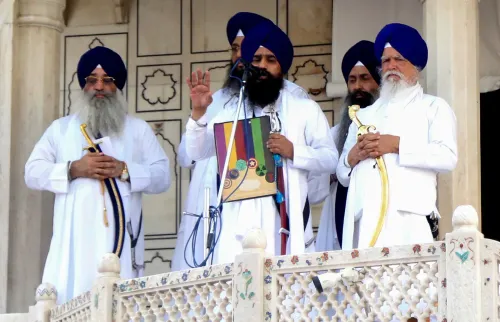
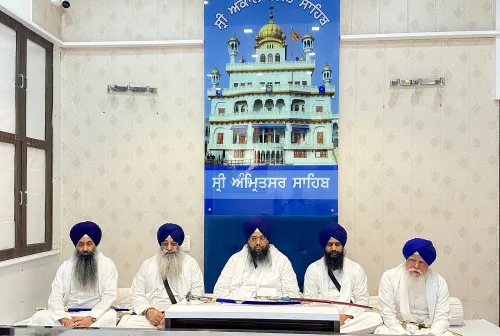
The Sikh clergy had earlier declared Mann 'Guru Dokhi' (anti-Guru) and 'Khalsa Panth Virodhi' (anti-community) on 15 June. Akal Takht Jathedar Giani Kuldeep Singh Gargaj pronounced the edict from the 'faseel' — the Akal Takht podium — following a clergy meeting in Amritsar.
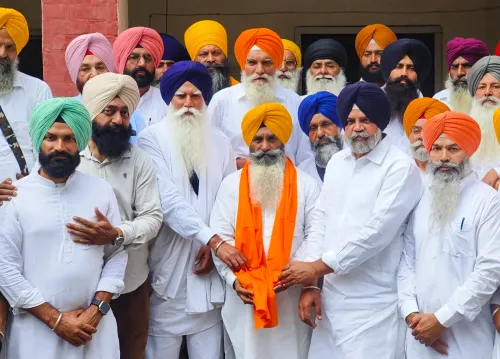
The Akal Takht, the highest temporal seat of Sikh authority, has also summoned all Sikh legislators across party lines and cabinet ministers to appear before it on 29 June, in connection with an anti-sacrilege law recently passed by the Punjab legislature. The summons adds institutional weight to what had begun as a political controversy.
What Happens Next
Mann indicated he would continue his governance agenda regardless of the controversy. 'I will keep my pace for electricity, houses, hospitals and jobs the same,' he said, signalling that he does not intend to step back from his administrative role. The 29 June Akal Takht hearing and the ongoing Haryana Police investigation are the two immediate flashpoints that will shape how this crisis unfolds for the Aam Aadmi Party (AAP) government in Punjab.
Point of View
The Haryana Police FIR over the ₹10 lakh forensic deal cuts both ways: if the charges stick, Mann's credibility takes a serious hit; if they are shown to be politically motivated, his 'dirty politics' narrative gets validated. What mainstream coverage underplays is that the BJP-Congress-Akali convergence Mann alleges — however self-serving — reflects a genuine realignment of Punjab's opposition around a common anti-AAP front ahead of the next electoral cycle.
NationPress
23 Sept 2026
Frequently Asked Questions
What is the sacrilege controversy involving Punjab CM Bhagwant Mann?
The controversy centres on a viral video allegedly showing desecration of Sikh gurus' photos, which opponents claim features Mann. Mann has denied this, saying the video is fake and AI-generated, and claims forensic labs he commissioned confirmed its inauthenticity.
Why did the Akal Takht declare Bhagwant Mann 'Guru Dokhi'?
The Akal Takht, the highest temporal seat of Sikh authority, declared Mann 'Guru Dokhi' (anti-Guru) and 'Khalsa Panth Virodhi' (anti-community) on 15 June following the viral video controversy. Akal Takht Jathedar Giani Kuldeep Singh Gargaj pronounced the edict after a clergy meeting in Amritsar.
What is the Haryana Police FIR about in the Bhagwant Mann case?
Haryana Police registered an FIR in Gurugram probing an alleged ₹10 lakh deal to obtain a tailored forensic report on the viral video. Two people have been arrested, and the case came to light after Jaspreet Singh alleged that two senior Punjab Police officers offered him ₹10 lakh to declare the video fake.
What happens at the Akal Takht hearing on 29 June?
The Akal Takht has summoned all Sikh legislators across political parties and cabinet ministers to appear before it on 29 June in connection with an anti-sacrilege law recently passed by the Punjab legislature. The hearing could have significant political and religious consequences for the AAP government.
Who does Bhagwant Mann blame for the controversy?
Mann has alleged a nexus among the BJP, the Shiromani Akali Dal, and the Congress, accusing all three parties of colluding to use religion as a political weapon against him and the AAP government in Punjab.