Myth of Dissent Suppression Under New IT Rules: MeitY Secretary
Synopsis
In a bold statement, MeitY Secretary S. Krishnan claims that fears of dissent suppression under the latest IT Rules revisions are unfounded. The new framework aims to clarify regulations, ensuring compliance while addressing public concerns. Stakeholder feedback will play a crucial role in shaping these amendments.
Key Takeaways
New IT Rules aim to regulate online news effectively.
Concerns about government overreach are dismissed as a myth.
Public consultation may extend beyond April 14.
All digital content creators will come under a unified framework.
Feedback from stakeholders is crucial for finalizing amendments.
New Delhi, April 7 (NationPress) The Ministry of Electronics and Information Technology (MeitY) announced on Tuesday the introduction of draft revisions to the Information Technology Rules, 2021, which aim to create a new framework for managing online news and current affairs content. This initiative seeks to alleviate worries regarding potential overreach and censorship.
The ministry has initiated a public consultation period for the draft, currently set to conclude on April 14, although officials have mentioned that this deadline may be extended to ensure broader engagement.
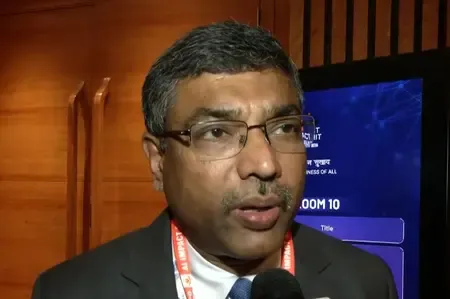
During a recent stakeholder consultation, MeitY Secretary S. Krishnan aimed to dispel apprehensions that the new regulations would enhance the government's power or suppress dissent.
He characterized fears that the rules would facilitate the removal of anti-government material as a “myth,” assuring that any actions will stay within established legal and constitutional frameworks.
Krishnan outlined that the amendments are motivated by four primary goals: increased requirements for data and information retention, enhanced adherence to existing guidelines, clearer definitions of essential terms, and structural improvements to enhance the effectiveness of the rules.
A significant aspect of the proposed changes is the clarification of the term “news and current affairs content,” especially concerning Section 79(2)(c) of the IT Act, which pertains to intermediary liability. The goal of the updated framework is to eliminate ambiguity and provide greater clarity regarding the identification and regulation of such content.
The draft also suggests a measured adjustment in regulatory oversight, with certain powers related to news content being transferred to the Ministry of Information and Broadcasting. While MeitY will maintain overall authority, this change aims to establish a more distinctly defined division of responsibilities between ministries.
Another noteworthy proposal includes the expansion of Part III of the rules to encompass not only registered news publishers but also non-registered digital content creators. This expansion would significantly broaden the regulatory landscape, integrating a wider array of online participants under a cohesive framework while implementing necessary checks and balances.
However, these proposals have ignited discussions within the industry. Stakeholders have expressed concerns about how intermediaries will be treated under the new regulations, the exact definition of “news and current affairs content,” and the sufficiency of procedural safeguards to guard against misuse.
The government is anticipated to evaluate stakeholder feedback before finalizing the amendments, which could profoundly impact India’s digital news ecosystem.
Point of View
It is vital to recognize the balance between regulatory oversight and freedom of expression. The proposed IT Rules amendments aim to refine the regulatory framework while addressing public concerns about censorship. This development warrants careful scrutiny to ensure that the rights of digital content creators and consumers are upheld.
NationPress
16 Sept 2026
Frequently Asked Questions
What are the main objectives of the new IT Rules amendments?
The amendments focus on enhancing data retention requirements, improving compliance, clarifying key definitions, and refining structural elements for greater effectiveness.
Will the new rules lead to censorship of dissenting voices?
MeitY Secretary S. Krishnan has stated that concerns about censorship are unfounded, characterizing such fears as a 'myth.'
How will the new regulations affect digital content creators?
The proposed rules aim to include not only registered news publishers but also non-registered digital content creators, expanding the regulatory scope.
What is the timeline for public feedback on the draft amendments?
The feedback window is currently set to close on April 14, but it may be extended to allow for broader participation.
What changes are proposed regarding the definition of news content?
The amendments aim to clarify the definition of 'news and current affairs content' to remove ambiguity and enhance regulatory clarity.