Are Inflation-Adjusted GDP Growth Rates Misleading?
Synopsis
In a bold statement, Jairam Ramesh of the Congress party argues that inflation-adjusted GDP growth figures may be misleading, masking serious underlying economic issues. With the upcoming Union Budget, the focus on corporate cash reserves raises questions about investment strategies in India.
Key Takeaways
Headline GDP growth rates may be inflated.
Low price deflators mask weak consumer demand.
Corporate cash reserves are high, but investment is low.
The upcoming Budget must address investment concerns.
Tax cuts have not revived demand.
New Delhi, Jan 15 (NationPress) On Thursday, the Congress party claimed that the reported GDP growth rates, which have been adjusted for inflation, provide a misleading portrayal of the nation’s economic status. They argue that these figures obscure underlying weaknesses in demand and systemic issues impacting investment.
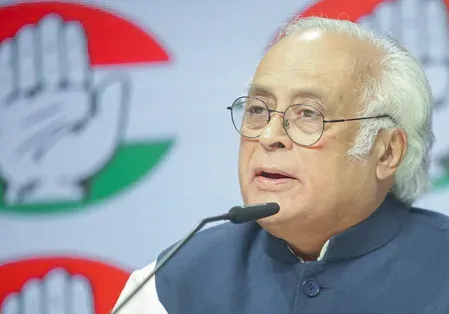
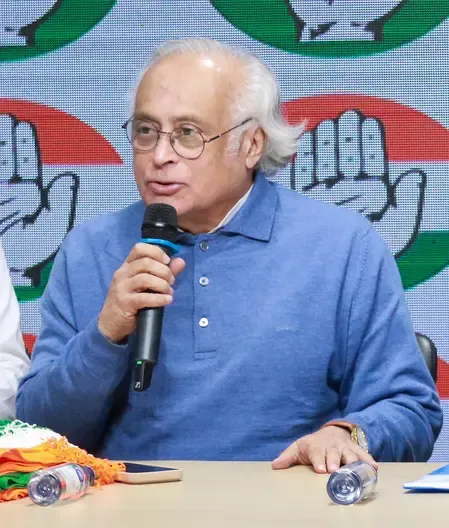
Congress General Secretary for Communications, Jairam Ramesh, stated that the inflation-adjusted growth numbers seem inflated due to the unusually low price deflators employed.
“The reported inflation-adjusted GDP growth rates are deceptive. The price deflators used are remarkably low, leading to an inflated perception of these rates,” he commented.
Ramesh asserted that while the government may present low price deflators as a positive aspect, they actually indicate weakened consumer demand.
“Although low price deflators might bring joy to the Modi government, they stem from stagnant income levels for the majority of the population,” he noted.
Emphasizing the disconnect between corporate profits and actual investment, Ramesh pointed out that corporate India holds substantial cash reserves. “Corporate India is flush with cash. Profits have reached record levels, while debts are at historic lows,” he said, questioning why this wealth hasn’t translated into increased capital spending.
He urged that the upcoming Union Budget must tackle this issue head-on. “The critical question the forthcoming Budget must address is: why are companies prioritizing wealth management in financial markets over investing in capacity expansion? There is a clear need for a significant boost in the investment climate,” Ramesh emphasized.
Critiquing the government’s economic policies, he noted that repeated tax reductions for corporations have not spurred demand. “The series of tax cuts has evidently failed to invigorate demand,” he remarked.
Ramesh further argued that the problem transcends fiscal policy, reflecting the broader political economy model of the current administration. “The solution, regrettably, extends beyond fiscal measures and points to the political economy framework of the government,” he stated.
He alleged that growing market concentration and governmental favoritism are undermining real competition and private investment.
Point of View
It's essential to scrutinize the implications of Jairam Ramesh's claims about GDP growth rates. The disconnect between reported growth and actual consumer demand raises concerns about the economic strategies being implemented. This narrative invites deeper examination of corporate practices and government policies, urging a holistic approach to understanding our economic landscape.
NationPress
7 Oct 2026
Frequently Asked Questions
What are inflation-adjusted GDP growth rates?
Inflation-adjusted GDP growth rates are figures that account for changes in price levels, providing a more accurate depiction of economic growth by removing the effects of inflation.
Why does Jairam Ramesh consider these figures misleading?
Ramesh argues that low price deflators inflate the growth rates, masking underlying weaknesses in consumer demand and structural investment issues.
What should the upcoming Union Budget address?
The Union Budget should tackle why corporations are focusing on wealth management rather than investing in capacity expansion, which is crucial for economic growth.
How does corporate cash reserves impact investment?
Despite record profits and low debt, high cash reserves in corporate India have not led to increased capital expenditures, raising questions about investment strategies.
What implications do tax cuts have on demand?
Ramesh claims that successive tax cuts for corporations have not effectively stimulated consumer demand, indicating a flaw in the economic strategy.