India's 7.7% growth amid West Asia crisis shows inherent strength: PM Modi
Synopsis
With global conflict rattling energy markets and supply chains, India has held a 7.7% growth rate — the highest among major economies. PM Modi used the Monsoon Session curtain-raiser to frame that number as proof of structural resilience, while calling on Parliament to match the nation's momentum with productive, evidence-based debate.
Key Takeaways
PM Modi on 20 July said India's 7.7 per cent growth rate amid the West Asia crisis reflects the country's 'inherent strength.' Modi described India as the fastest-growing major economy in the world despite energy import pressures from the conflict.
India depends on West Asia for crude oil, LPG, fertilisers, and chemicals — making the regional crisis a direct economic headwind.
The Prime Minister called on parliamentarians across parties to ensure meaningful debate and productive proceedings during the Monsoon Session.
Modi stressed that 'where there are facts and where there is logic, there is no place for creating a storm' — a signal ahead of what is expected to be a contentious session.
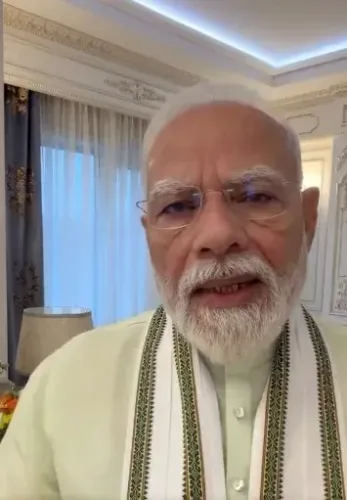
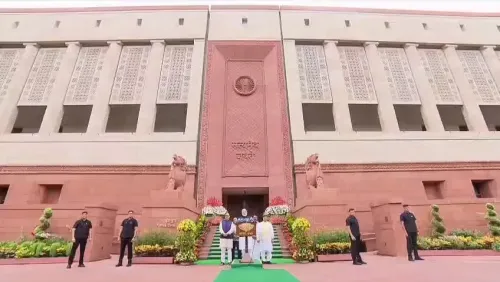
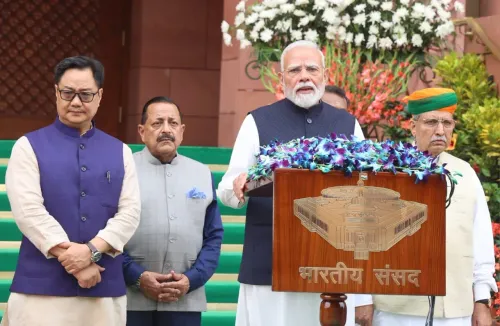
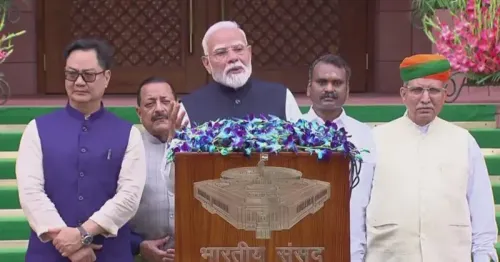
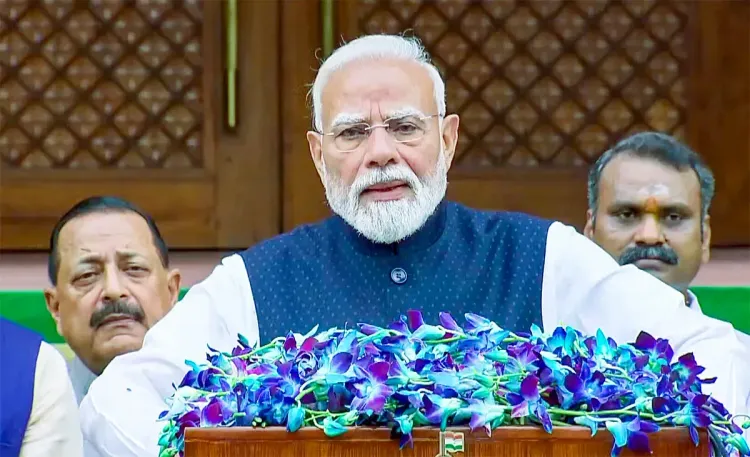
Prime Minister Narendra Modi on Monday, 20 July said that India sustaining a growth rate of 7.7 per cent in the face of the ongoing West Asia crisis is a testament to the country's 'inherent strength' and reflects the ambition with which India pursues new milestones. Modi made the remarks while addressing the media ahead of the commencement of the Monsoon Session of Parliament in New Delhi.
Modi on India's Economic Resilience
'Everyone is aware, and the world is concerned about the threat of war in various regions. The war in West Asia has posed a major crisis for nations like India, which relies on others for its energy needs, petrol, diesel, LPG, fertilisers, and chemicals. However, despite this, India has maintained a growth rate of 7.7 per cent, emerging as the fastest-growing major economy in the world,' Modi said.
The Prime Minister noted that this performance 'offers a reflection of the enthusiasm and zeal' with which India aspires to achieve new milestones — framing the economic figure not merely as a statistic but as a signal of national resolve.
Call for Productive Parliament Session
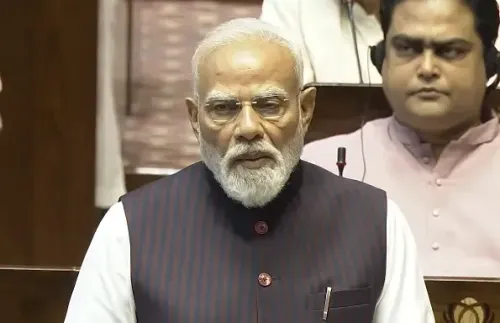
Modi used the occasion to set the tone for the Monsoon Session, urging parliamentarians across party lines to engage in meaningful debate. 'The nation has gathered momentum, and the spirit of Parliament infuses fresh energy into that pace. A positive spirit is very essential for achieving the country's goal,' he said.
He specifically called on experienced legislators — irrespective of party affiliation — to contribute their knowledge at a critical juncture. 'Both Parliament and the nation need their experience and knowledge. Therefore, I believe the need of the hour is the functioning of Parliament, meaningful discussions, and a collective resolve to take the nation forward,' he added.
Voice of Youth and National Dedication
Modi also invoked the aspirations of India's young population, stating that 'the country's youth, who are full of aspirations, demand that we move forward.' He called for Parliament to serve as a platform for those driven by national dedication, saying he hoped 'where there are facts and where there is logic, there is no place for creating a storm.'
He encouraged all Members of Parliament to participate wholeheartedly, adding: 'May every voice have a chance to be heard, and may every concept receive due respect.'
Context: West Asia Crisis and India's Energy Exposure
India is among the world's largest importers of crude oil and relies heavily on West Asian nations for energy, fertilisers, and chemicals. The ongoing conflict in the region has disrupted global supply chains and driven up commodity prices, creating headwinds for import-dependent economies. That India has nonetheless clocked 7.7 per cent GDP growth — the highest among major economies — has been cited by the government as evidence of structural economic strength.
Notably, this is not the first time Modi has pointed to external shocks as a backdrop against which India's growth stands out; similar framing was used during the post-pandemic recovery and the Russia-Ukraine conflict period. As the Monsoon Session gets under way, the government is expected to face opposition scrutiny on inflation, employment, and the broader impact of global disruptions on Indian households.
Point of View
But the framing elides a harder question — whether growth at that rate is translating into relief for households squeezed by energy-driven inflation. India's import dependence on West Asia is not new; what is new is the sustained duration of the disruption. If the Monsoon Session turns adversarial, as opposition signals suggest it might, the government's economic narrative will face its most direct stress-test yet on the floor of the House.
NationPress
20 Oct 2026
Frequently Asked Questions
What did PM Modi say about India's 7.7% growth rate?
PM Modi said that India maintaining a 7.7 per cent growth rate despite the West Asia crisis reflects the country's 'inherent strength.' He made the remarks on 20 July ahead of the Monsoon Session of Parliament, describing India as the fastest-growing major economy in the world.
Why is the West Asia crisis a concern for India?
India relies heavily on West Asian nations for crude oil, petrol, diesel, LPG, fertilisers, and chemicals . The ongoing conflict in the region has disrupted supply chains and pushed up commodity prices, posing a significant challenge for India's import-dependent energy sector.
What is the Monsoon Session of Parliament?
The Monsoon Session is one of the three annual sessions of the Indian Parliament, typically held between July and August. It is a key legislative window during which the government and opposition engage on budget implementation, new bills, and pressing national issues.
What did PM Modi say about parliamentary debate?
Modi urged Members of Parliament across party lines to engage in 'meaningful discussions' and ensure 'every voice finds an opportunity.' He called on experienced legislators to contribute their knowledge and said solid arguments could be made 'even in a composed manner.'
How does India's 7.7% growth compare globally?
According to the Prime Minister, India's 7.7 per cent growth rate makes it the fastest-growing major economy in the world, a claim consistent with IMF and World Bank projections that have consistently placed India at the top of the G20 growth rankings in recent years.