India's 7.8% GDP growth exposes 'Jhooth Ki Goonj', says PM Modi
Synopsis
India's 7.8% GDP print for April–June FY27 handed Modi a political cudgel as much as an economic milestone. His 'Jhooth Ki Goonj' broadside — timed to a record passenger-vehicle sales figure and a globally turbulent backdrop — signals that the ruling party intends to make growth numbers the central frame of its political messaging going into the next electoral cycle.
Key Takeaways
PM Narendra Modi cited India's 7.8 per cent GDP growth in the April–June quarter of FY27 to attack Opposition critics on 1 September .
Modi invoked the phrase 'Jhooth Ki Goonj' (echo of lies), a term previously used by a satirical group against Rahul Gandhi's 'Chhatron Ki Goonj' campaign.
The BJP has claimed that 29 of 40 statements made by Gandhi at Congress campaign events were 'false' and 11 were 'misleading'.
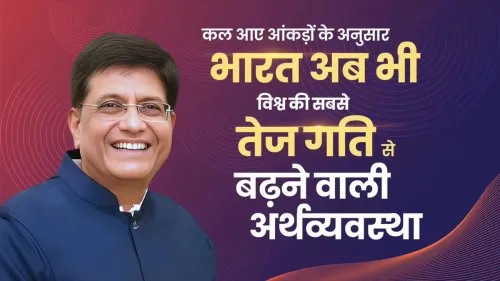
India is the world's fastest-growing major economy in the comparable period, according to official data.
Domestic passenger-vehicle sales hit 4.58 lakh units in July , up 34.3 per cent year-on-year — the strongest July on record.
Modi called on citizens to adopt 'Wed in India' , curb gold imports, and back the Swadeshi and Vocal for Local movements.
Prime Minister Narendra Modi on Tuesday, 1 September used India's latest GDP growth figure of 7.8 per cent to take a pointed swipe at the Opposition, asserting that the number had laid bare what he called the 'Jhooth Ki Goonj' — or 'echo of lies' — being spread by those he described as people 'immersed in the depth of despair'. The remarks came as fresh national accounts data confirmed India's position as the world's fastest-growing major economy in the April–June quarter of FY27.
Modi's Message to the Nation
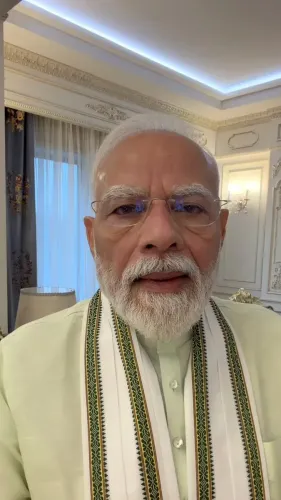
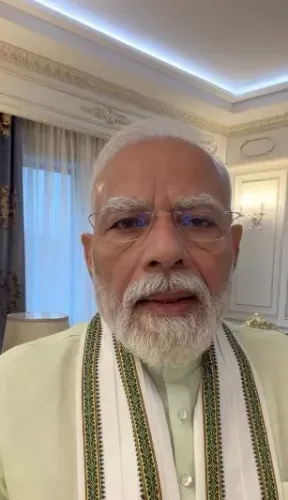
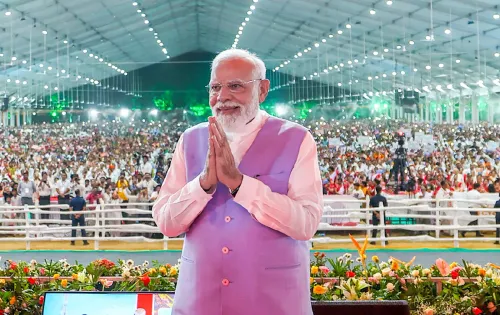
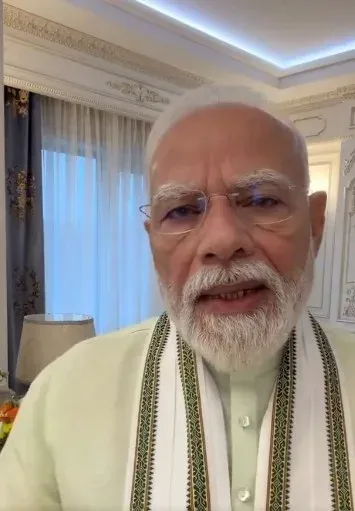
Modi shared a reel on Instagram with the caption: '7.8 per cent growth. Strong numbers. Even stronger confidence.' In an accompanying message, he congratulated citizens and attributed the milestone to collective willpower and hard work.
'Many congratulations to the countrymen. 7.8 per cent growth. The country is filled with joy. But I congratulate the countrymen for their willpower, for their hard work; it is a reflection of collective strength,' Modi said. He noted that the achievement came despite an unstable global backdrop — ongoing wars, disrupted supply chains, and economic turbulence dating back to the Covid period of 2020.
'On the other hand, inside India too, people immersed in the depth of despair, Jhooth Ki Goonj, are engaged in spreading despair all around. Crossing all these things, piercing through all those matters, the country has achieved 7.8 per cent growth. We have to maintain this speed; we also have to grow,' he added.
The Political Context Behind 'Jhooth Ki Goonj'
Modi's invocation of the phrase was not incidental. The term 'Jhooth Ki Goonj' has been used by a political satirical group to counter Congress leader and Lok Sabha Leader of Opposition Rahul Gandhi's 'Chhatron Ki Goonj' campaign. The Bharatiya Janata Party (BJP) had also deployed the same phrase in attacks on Gandhi's campaign, alleging that out of 40 statements made by Gandhi across four separate events, at least 29 were 'false' and 11 were 'misleading'. The Congress has not publicly responded to those specific claims.
Atmanirbhar Bharat and the 'Wed in India' Call
Beyond the political barb, Modi used the occasion to reinforce his economic philosophy. He urged citizens to embrace the 'Swadeshi' movement, the 'Vocal for Local' initiative, and a broader push for Atmanirbhar Bharat (self-reliant India).
'If you are going to any foreign country, then stop. If you are getting married abroad, then you should stop it. We should live by the mantra of Wed in India. If it is not necessary, then we should not buy gold,' he said. He added his conviction that by the time India completes 100 years of independence, the nation would hand over a Viksit Bharat (developed India) to its youth.
The Economic Backdrop: Record Growth and Rising Demand
India's 7.8 per cent GDP expansion in the April–June quarter of FY27 places it ahead of every other large economy in the comparable period, according to official figures. Domestic demand signals reinforce the headline number: passenger-vehicle sales in July reached 4.58 lakh units, up 34.3 per cent year-on-year and the strongest July on record, according to official data. Economists note that broad-based demand growth — spanning multiple income segments — distinguishes this cycle from earlier recoveries driven primarily by top-end consumption.
What Comes Next
With the GDP print giving the ruling dispensation fresh political ammunition ahead of upcoming state elections, the Opposition is expected to contest both the framing and the methodology of the growth narrative. The next quarterly GDP data, covering July–September FY27, will be a critical test of whether the momentum holds against global headwinds. Analysts will also watch whether the vehicle-sales surge translates into broader manufacturing and employment gains — the metrics that have historically lagged headline GDP in India's growth cycles.
Point of View
Wage stagnation, and the gap between headline GDP and household income. The 'Jhooth Ki Goonj' framing also risks conflating legitimate economic scrutiny with political bad faith, which could crowd out a more productive national conversation about sustaining 7.8% growth into the next decade. The record vehicle-sales figure is real, but it measures consumption at the top of the income pyramid more than it measures broad-based prosperity — a distinction the Opposition is likely to press.
NationPress
16 Oct 2026
Frequently Asked Questions
What is India's GDP growth rate for April–June FY27?
India recorded a GDP growth rate of 7.8 per cent in the April–June quarter of FY27, making it the world's fastest-growing major economy in the comparable period, according to official figures.
What did PM Modi mean by 'Jhooth Ki Goonj'?
'Jhooth Ki Goonj' translates to 'echo of lies'. Modi used the phrase on 1 September to describe what he characterised as the Opposition's pessimistic and allegedly inaccurate narrative about India's economy, asserting that the 7.8% growth figure had exposed those claims.
What is the connection between 'Jhooth Ki Goonj' and Rahul Gandhi?
The phrase originates with a political satirical group that deployed it against Congress leader Rahul Gandhi's 'Chhatron Ki Goonj' campaign. The BJP separately alleged that 29 of 40 statements Gandhi made at four campaign events were false and 11 were misleading.
What did Modi say about Swadeshi and 'Wed in India'?
Modi called on citizens to avoid unnecessary foreign travel, hold weddings in India rather than abroad, and reduce gold purchases, framing these as practical expressions of the Atmanirbhar Bharat and Vocal for Local initiatives.
What do the passenger-vehicle sales figures indicate about India's economy?
Domestic passenger-vehicle sales reached 4.58 lakh units in July, up 34.3 per cent year-on-year and the strongest July on record, according to official data — signalling broad-based demand growth across income segments.