PM Modi lauds 'Catch The Rain' campaign, calls for mass water conservation
Synopsis
In his latest Mann Ki Baat, Modi elevated 'Catch The Rain' from a government scheme to a citizen-led movement — pointing to 1,500 new ponds in a single Madhya Pradesh district as proof of scale. With India’s groundwater crisis deepening, the campaign’s expansion into urban centres and every gram panchayat in Nandyal marks a rare instance of bottom-up momentum on a top-down environmental push.
Key Takeaways
PM Modi highlighted the 'Catch The Rain' campaign during Mann Ki Baat on 26 July , calling for it to become a mass movement.
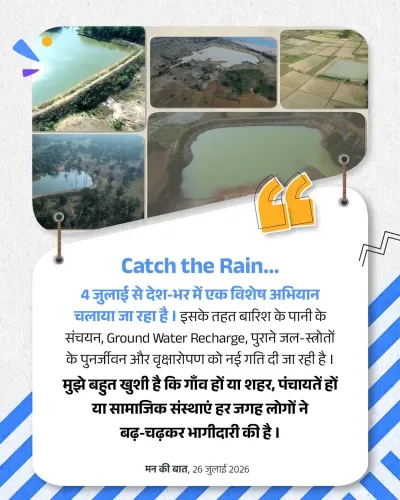
The nationwide campaign has been active since 4 July , covering rainwater harvesting, groundwater recharge, and revival of water bodies.
Nearly 1,500 ponds have been built in Sidhi district, Madhya Pradesh ; Amrit Sarovars restored in Narsinghpur .
Nashik (Maharashtra) , Korba (Chhattisgarh) , Bhubaneswar (Odisha) , and Vizianagaram (Andhra Pradesh) have reported encouraging urban results.
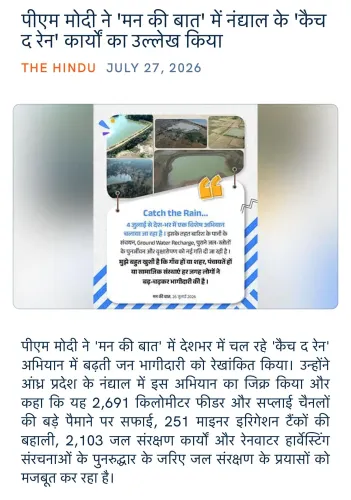
Every gram panchayat in Nandyal district, Andhra Pradesh joined the initiative, reviving old ponds.
Modi urged citizens to adopt a pond, well, or stepwell nearby and save water for future generations.
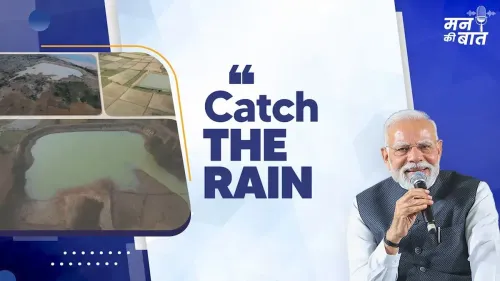
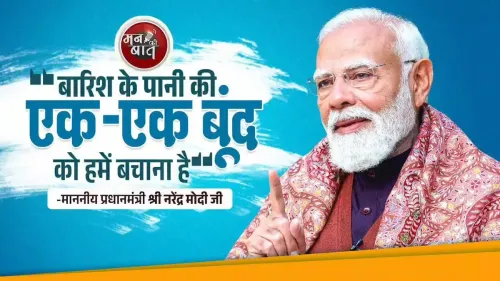
Prime Minister Narendra Modi on Sunday, 26 July praised the surging public participation in the 'Catch The Rain' campaign during his monthly radio address 'Mann Ki Baat', urging every citizen to take personal responsibility for conserving water bodies and saving rainwater at the source. The campaign, which has been running as a nationwide initiative since 4 July, focuses on rainwater harvesting, groundwater recharge, revival of traditional water bodies, and tree plantation.
What the Campaign Covers
Modi explained that the core message of 'Catch The Rain' is straightforward: conserve water right where and when the rain falls. “That is why a special nationwide campaign has been underway since July 4. Under this initiative, fresh momentum is being given to rainwater harvesting, groundwater recharge, the rejuvenation of old water bodies, and tree plantation,” he said.
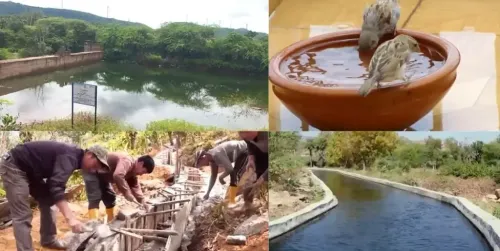
The campaign has drawn participation from villages and cities alike, with panchayats, local bodies, and social organisations all contributing. Disused borewells are being repurposed as groundwater recharge channels, silted ponds are being dredged, and centuries-old stepwells are being restored to active use.
State-Level Progress and Key Highlights
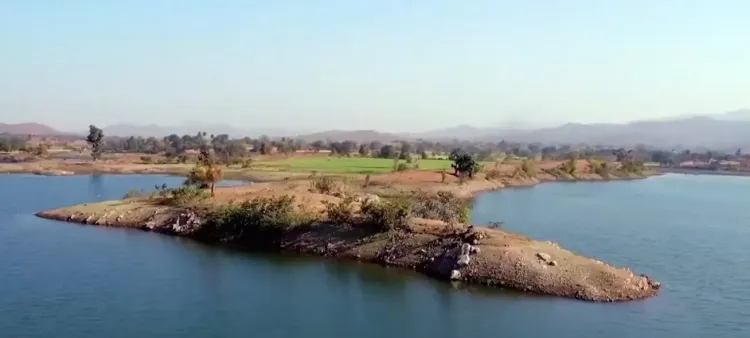
Modi cited several encouraging examples from across the country. In Madhya Pradesh's Sidhi district, nearly 1,500 ponds have been constructed under the campaign. In Narsinghpur, Amrit Sarovars have been restored, while Nashik in Maharashtra has recorded a significant increase in water storage capacity.
In Andhra Pradesh's Nandyal district, every gram panchayat joined the initiative, reviving old ponds and restoring their utility. Urban centres have also contributed: Korba in Chhattisgarh, Bhubaneswar in Odisha, and Vizianagaram in Andhra Pradesh have all reported encouraging results.
Modi's Appeal to Citizens
“Come, let us also take responsibility for a pond, well, or stepwell in our vicinity — save every drop of water. Every drop saved today serves as the greatest asset for the future of coming generations,” Modi said during the broadcast.
He expressed satisfaction at what he described as “overwhelming participation” and called for the campaign to be sustained beyond its current phase, framing water conservation as an intergenerational responsibility rather than a seasonal exercise.
Broader Context
The 'Catch The Rain' campaign is not a new concept — it was first launched by the National Water Mission in 2021 under the Jal Shakti Ministry with the tagline ‘Catch the Rain, Where it Falls, When it Falls.’ Its revival and expansion in the current monsoon season reflects the Centre’s continued push to address India’s chronic groundwater depletion, which affects hundreds of millions of people. This is the campaign’s most extensive grassroots mobilisation to date, according to the Prime Minister’s remarks.
As the monsoon season progresses, the government is expected to release updated data on water body restoration and groundwater recharge levels across participating districts.
Point of View
500 ponds in one district is not a trivial number. But the harder question is whether this momentum outlasts the monsoon season, when political visibility fades and maintenance funding dries up. India’s water crisis is structural: groundwater tables in several states have been declining for decades, and seasonal campaigns, however well-intentioned, cannot substitute for enforceable groundwater regulation and long-term aquifer management. The campaign’s true test will come in October, not July.
NationPress
24 Oct 2026
Frequently Asked Questions
What is the 'Catch The Rain' campaign?
The 'Catch The Rain' campaign is a nationwide water conservation initiative that urges citizens to harvest rainwater at the point where it falls. Originally launched by the Jal Shakti Ministry under the National Water Mission in 2021, the current phase has been running since 4 July, focusing on rainwater harvesting, groundwater recharge, and revival of traditional water bodies such as ponds, wells, and stepwells.
What did PM Modi say about the campaign in Mann Ki Baat?
Modi praised the overwhelming public participation in the campaign and cited specific examples from Madhya Pradesh, Maharashtra, Andhra Pradesh, Chhattisgarh, and Odisha. He urged citizens to personally adopt and care for a water body in their neighbourhood, saying every drop saved today is an asset for future generations.
Which states have shown notable results under the campaign?
Sidhi district in Madhya Pradesh has seen nearly 1,500 ponds built; Narsinghpur has restored Amrit Sarovars; Nashik in Maharashtra has boosted water storage capacity. Nandyal in Andhra Pradesh saw every gram panchayat participate. Urban centres like Korba, Bhubaneswar, and Vizianagaram have also reported progress.
Why does the 'Catch The Rain' campaign matter for India?
India faces a serious groundwater depletion crisis, affecting hundreds of millions of people across farming and urban communities. The campaign attempts to address this by mobilising citizens to recharge aquifers and revive local water bodies during the monsoon, reducing dependence on depleting groundwater reserves.
What happens next after Mann Ki Baat?
The campaign is expected to continue through the monsoon season, with the government anticipated to release updated data on water body restoration and groundwater recharge levels across participating districts. Modi’s public appeal is likely to sustain community-level activity in the near term.