Modi completes 4,399 days as PM: Rijiju hails 12 years of transformation
Synopsis
Prime Minister Narendra Modi crossed 4,399 days in office on Wednesday, surpassing Jawaharlal Nehru to become India's longest-serving elected PM. Parliamentary Affairs Minister Kiren Rijiju called it a historic milestone and argued that no previous PM can be compared to Modi's development-first governance — a claim that frames the ruling party's political narrative heading into the next phase of the Viksit Bharat 2047 push.
Key Takeaways
PM Narendra Modi completed 4,399 days in office on Wednesday, 10 June 2025 , surpassing Jawaharlal Nehru's record.
Modi is now India's longest-serving elected Prime Minister , having first assumed office in May 2014 and won re-election in 2019 and 2024 .
Union Parliamentary Affairs Minister Kiren Rijiju described the milestone as 'historic' and credited Modi with transforming the lives of ordinary citizens over 12 years .
Rijiju linked the tenure record to the government's Viksit Bharat goal of making India a developed nation by 2047 .
Rijiju argued comparisons with earlier Prime Ministers, including Jawaharlal Nehru , are not appropriate given the distinct development-focused governance model.
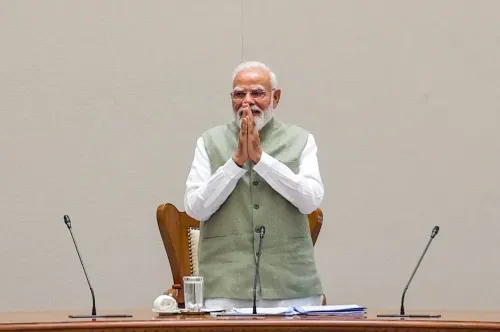
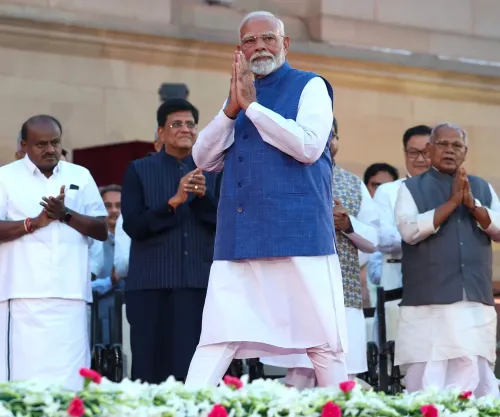
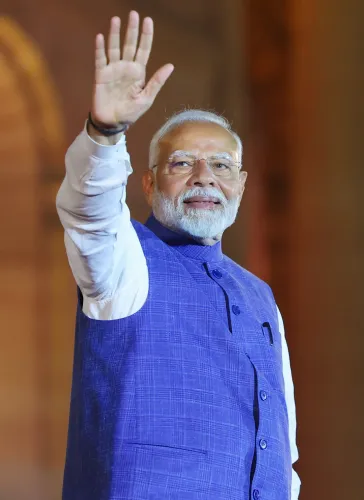
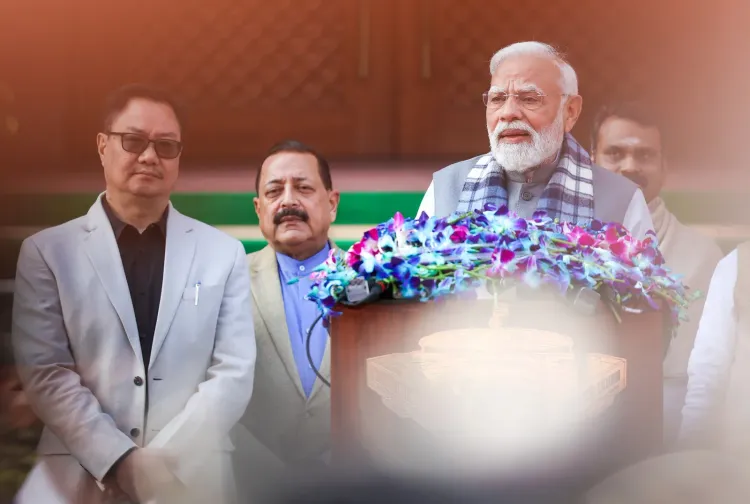
Union Parliamentary Affairs Minister Kiren Rijiju on 10 June 2025 congratulated Prime Minister Narendra Modi on surpassing Jawaharlal Nehru's record to become India's longest-serving elected Prime Minister, marking 4,399 days in office. Rijiju described the milestone as historic and said it reflected both political stability and a sweeping national transformation over the past 12 years.
A Historic Milestone
Prime Minister Narendra Modi crossed the 4,399-day mark in office on Wednesday, surpassing Jawaharlal Nehru's tenure to become the longest-serving elected Prime Minister in India's history. Modi first assumed office in May 2014 and subsequently secured consecutive mandates in 2019 and 2024.
What Rijiju Said
'Today is a historic day. Prime Minister Narendra Modi has completed 4,399 days as the elected Prime Minister. It is a matter of great fortune for him to complete the longest tenure. The bigger thing than this is that other prime ministers were also there, but during PM Modi's tenure India is taking its first step towards Viksit Bharat. For so many years, we were considered a poor nation, but after 2014 the aim of Viksit Bharat was brought forward, and by 2047 India is going to be a developed nation,' Rijiju said.
The minister further emphasised the government's impact on ordinary citizens: 'Prime Minister Narendra Modi has changed the lives of people, including ordinary citizens, the poor, and the common man. Their lives have improved significantly. Over the past 12 years, the lives of many people have changed.'
Comparing Eras: Rijiju's Argument
Rijiju argued that comparisons between Modi and previous Prime Ministers were not appropriate, contending that the current Prime Minister had ushered in a distinct era centred on development and long-term national goals. 'It is not appropriate to compare Prime Minister Narendra Modi with anyone else. When Pandit Jawaharlal Nehru became Prime Minister, he was not elected but was selected by Mahatma Gandhi and appointed as Prime Minister,' he said.
He added that successive Congress-era governments, despite repeated electoral victories, had failed to deliver visible development. Critics from the opposition, however, are likely to contest this characterisation, pointing to foundational institution-building and industrialisation efforts of the post-Independence decades.
The Viksit Bharat Vision
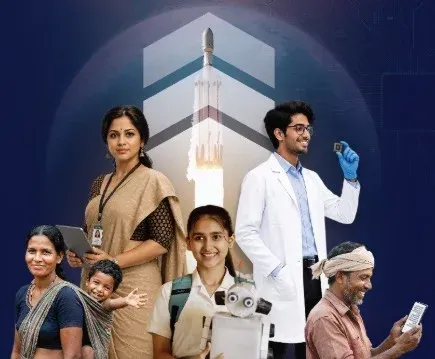
Central to Rijiju's remarks was the Viksit Bharat (Developed India) framework — the Modi government's stated goal of elevating India to developed-nation status by 2047, coinciding with the centenary of Independence. This vision has underpinned major policy drives across infrastructure, digital public goods, and social welfare over the past decade. This comes amid ongoing debates about the pace and equity of that transformation, with independent analysts noting that while key indicators such as digital inclusion and infrastructure spending have improved, challenges around employment quality and income inequality persist.
What Comes Next
With the Modi government now in its third consecutive term, the Viksit Bharat 2047 agenda is expected to intensify focus on manufacturing, green energy, and social infrastructure. The record tenure milestone is likely to sharpen both the ruling party's political messaging and opposition scrutiny of governance outcomes in the years ahead.
Point of View
' he attempts to delegitimise the comparison itself rather than contest it on policy outcomes. The more substantive question — whether 12 years of Modi governance has durably moved the needle on per capita income, employment quality, and institutional strength — goes unaddressed. Record tenures are a function of electoral mandate, not development delivery; conflating the two is a rhetorical move worth noting. Independent economic data on the Viksit Bharat dashboard will matter far more than ministerial tributes when history renders its verdict.
NationPress
26 Oct 2026
Frequently Asked Questions
How many days has PM Modi served as Prime Minister?
Prime Minister Narendra Modi completed 4,399 days in office as of Wednesday, 10 June 2025, surpassing Jawaharlal Nehru's record to become India's longest-serving elected Prime Minister. Modi first took office in May 2014 and won consecutive re-elections in 2019 and 2024.
Who held the record before PM Modi?
Jawaharlal Nehru, India's first Prime Minister, previously held the record for the longest tenure. Modi surpassed Nehru's mark on 10 June 2025 after 4,399 days in office.
What is the Viksit Bharat 2047 goal?
Viksit Bharat (Developed India) is the Modi government's stated objective of elevating India to developed-nation status by 2047, the centenary of Independence. It encompasses targets across infrastructure, manufacturing, digital public services, and social welfare.
What did Kiren Rijiju say about Modi's governance record?
Rijiju said Modi has 'changed the lives of people, including ordinary citizens, the poor, and the common man,' and that India is now on its 'first step towards Viksit Bharat.' He also argued that comparisons with earlier Prime Ministers, including Nehru, are not appropriate given the distinct development focus of the current government.
Is PM Modi's record based on elected tenure only?
Yes. The 4,399-day milestone specifically counts Modi's tenure as an elected Prime Minister — a distinction Rijiju himself highlighted, noting that some earlier holders of the office were not directly elected to the position in the same manner.