Rijiju Hails Modi as India's Longest-Serving Elected PM

Synopsis
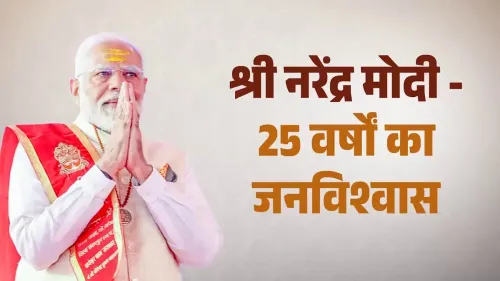
Union Minister Kiren Rijiju on June 10, 2026 marked Prime Minister Narendra Modi's milestone of 4,399 days in office, calling him India's longest-serving elected Prime Minister and crediting three consecutive electoral mandates since 2014.
Key Takeaways
Kiren Rijiju , Union Minister of Parliamentary Affairs, posted the tribute on June 10, 2026 .
PM Narendra Modi was described as having served 4,399 days as India's longest-serving elected Prime Minister.
Modi has won three consecutive general elections: 2014 , 2019 , and 2024 .
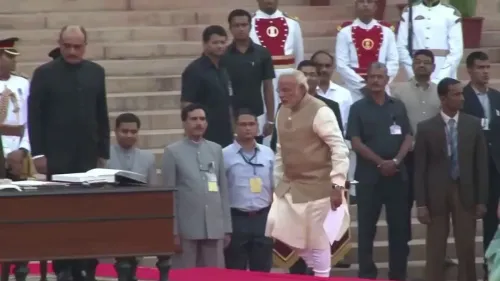
Modi was first sworn in on 26 May 2014 and began his third term on 9 June 2024 .
The post is part of a broader BJP pattern of marking tenure milestones ahead of the 2029 general elections .
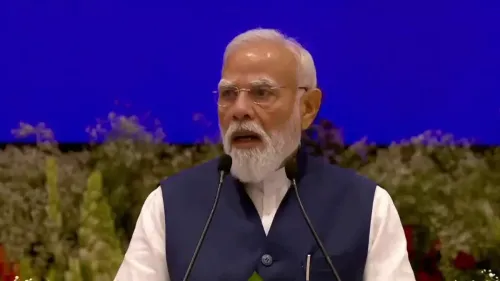
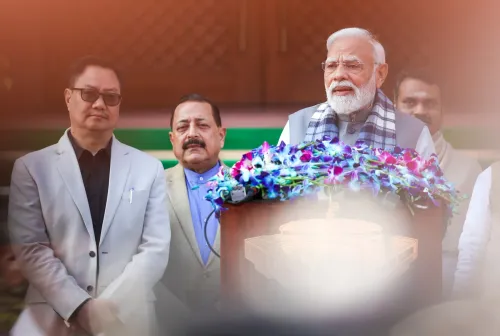
Union Parliamentary Affairs Minister Kiren Rijiju on Wednesday, June 10, 2026, paid tribute to Prime Minister Narendra Modi, marking what he described as 4,399 days of continuous elected service — calling it a reflection of 'trust, transformation and tireless service to the nation.'
Context
Narendra Modi was first sworn in as Prime Minister on 26 May 2014 following the BJP-led NDA's decisive majority in the 16th Lok Sabha. He was re-elected for a second term on 30 May 2019 and a third consecutive term on 9 June 2024, making him the only Prime Minister in independent India to have won three back-to-back Lok Sabha majorities for his party.
Rijiju's post, tagged with the hashtag #LongestServingElectedPMModi, frames the milestone in terms of democratic mandate rather than mere longevity — emphasising that the tenure has been earned through successive electoral victories rather than appointment or continuity by default.
Policy Backdrop
The reference to 'transformation' in Rijiju's tribute aligns with the BJP-NDA government's own characterisation of the past decade-plus, which has included flagship programmes spanning infrastructure, direct-benefit transfers, digital public goods, and constitutional changes such as the abrogation of Article 370 in Jammu and Kashmir in 2019.
The post also fits a broader pattern of senior BJP leaders and ministers periodically marking tenure milestones to reinforce the narrative of stable, continuous governance — a contrast drawn implicitly against the coalition instability that preceded the 2014 transition from the UPA government.
Stakeholders and Impact
The tribute originates from a senior cabinet colleague who represents Arunachal Pradesh — a frontier state where the BJP's consolidation under the Modi-era national leadership has been particularly pronounced. Rijiju himself has served across multiple ministries in the Modi Council of Ministers, giving his endorsement an institutional as well as personal dimension.
For the BJP organisation, such messaging serves to energise the cadre and frame the party's electoral record ahead of the 2029 general elections, which will begin to draw strategic attention as the current term progresses. The Indian electorate — which has returned Modi to power three times — remains the ultimate audience for this kind of milestone communication.
What's Next
With the 18th Lok Sabha mid-term approaching, the NDA government is expected to intensify its record-highlighting communications as it moves into the second half of the current term. Proceedings in Parliament and the pace of flagship scheme delivery will be closely watched as benchmarks against which the 'transformation' narrative will be tested. The 2029 general elections remain the next major democratic test of whether the mandate described by Rijiju continues to hold.
Point of View
And drawing an implicit contrast with the pre-2014 era of coalition fragility. By framing longevity in terms of 'trust' rather than mere incumbency, the post signals that the party intends to campaign in 2029 on its record rather than on new promises alone. The choice of a frontier-state minister — one personally associated with the Northeast's political integration into the BJP's national project — as the messenger adds a geographic dimension to what is otherwise a party-wide sentiment. As the 18th Lok Sabha enters its second half, such milestone communications are likely to become more frequent and more elaborately produced.
NationPress
26 Oct 2026
Frequently Asked Questions
Who is India's longest-serving elected Prime Minister?
Narendra Modi is widely referred to as India's longest-serving elected Prime Minister, having held office continuously since 26 May 2014 through three consecutive electoral mandates in 2014, 2019, and 2024.
How many days has Narendra Modi been Prime Minister?
Union Minister Kiren Rijiju cited 4,399 days in his June 2026 post marking the milestone of Modi's tenure.
When did Narendra Modi become Prime Minister for the first time?
Narendra Modi was first sworn in as Prime Minister on 26 May 2014 after the BJP-led NDA won a decisive majority in the 16th Lok Sabha.
How many terms has Narendra Modi served as Prime Minister?
Narendra Modi has served three consecutive terms as Prime Minister, beginning in 2014 , re-elected in 2019 , and sworn in for a third term on 9 June 2024 .
Why did Kiren Rijiju post about Modi's tenure?
Kiren Rijiju , Union Minister of Parliamentary Affairs and a senior BJP leader, posted the tribute to mark what he described as a milestone of continuous elected service, using the hashtag #LongestServingElectedPMModi .