India-Belgium military exchanges, trade ties boosted at Modi-De Wever summit
Synopsis
India and Belgium have moved their relationship firmly into strategic territory — agreeing on defence co-development, an IMEC semiconductor tie-up, a green ammonia megaproject in Kakinada, and a bilateral trade-doubling target. The Modi-De Wever summit signals Europe is no longer just a trade partner for India but an emerging defence and deep-tech collaborator.
Key Takeaways
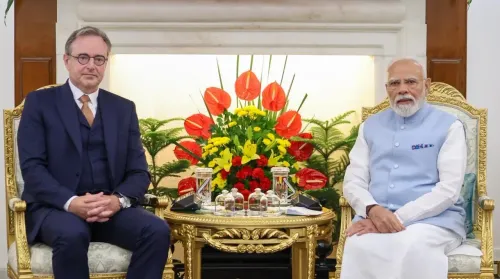
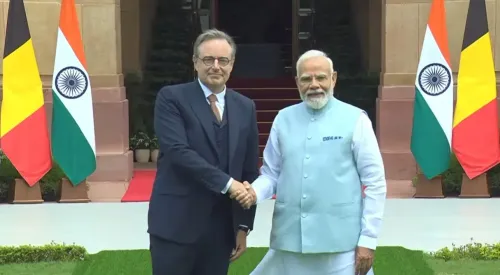
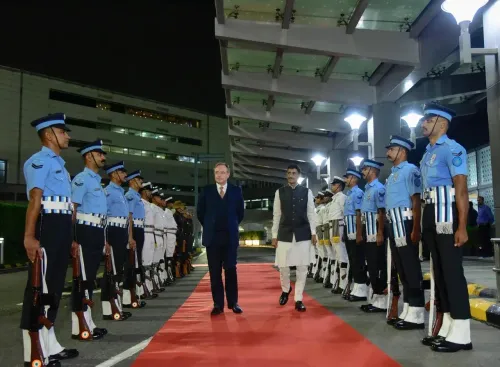
PM Narendra Modi and Belgian PM Bart De Wever met in New Delhi on 3 September and agreed to enhance military exchanges and training cooperation.
Both sides committed to defence co-development and co-production , with the Zorawar tank cited as an active collaboration.
An Investment Fast-Track Mechanism for Belgian companies in India was established, with a goal of doubling bilateral trade in five years.
A renewable energy MoU was signed; both nations will cooperate on critical minerals processing and recycling.
Belgium's IMEC Institute will be integrated with India's semiconductor ecosystem .
India recorded 7.8 per cent GDP growth in the last quarter, Modi noted, positioning India as a stable global partner.
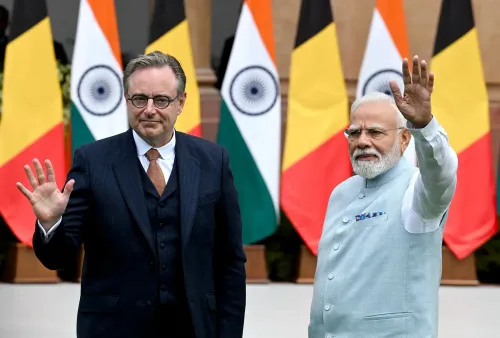
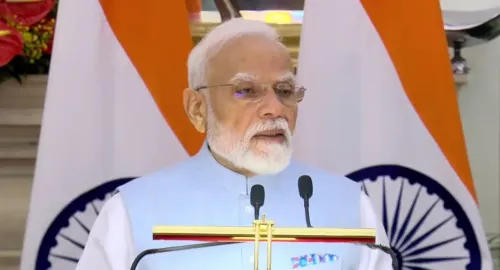
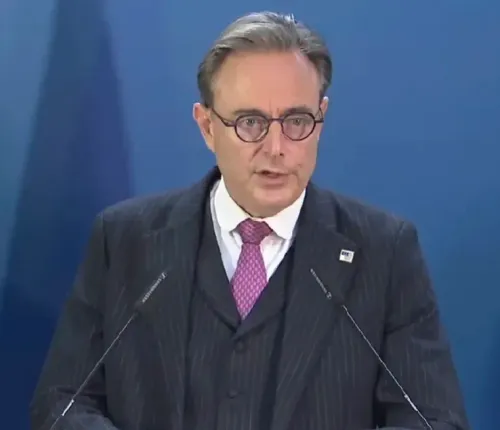
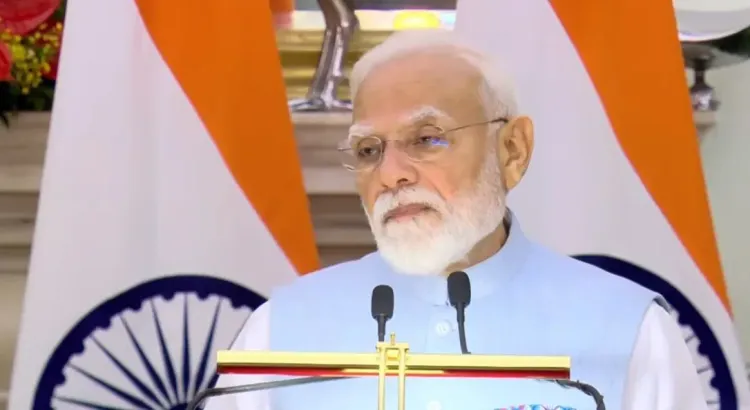
Prime Minister Narendra Modi on 3 September declared defence and security cooperation a 'key pillar' of the India-Belgium relationship, announcing that both nations have agreed to deepen military exchanges, training cooperation, and intelligence sharing. The declaration came at a joint press conference in New Delhi alongside Belgian Prime Minister Bart De Wever following bilateral talks.
Defence and Security Commitments
Modi said the two governments and their respective defence industries have reached agreements that will 'open up new opportunities for defence co-development and co-production.' He specifically cited collaboration on modern defence equipment, including the Zorawar tank, as a concrete example of the deepening strategic partnership. Both sides also committed to strengthening cooperation between their agencies on intelligence sharing and cross-border crime.
Economic Agenda and Trade Targets
On the economic front, the two leaders announced an Investment Fast-Track Mechanism for Belgian companies operating in India and agreed to make the India-Belgium Business Forum a regular institutional mechanism. Modi set an ambition of doubling bilateral trade within the next five years, underpinned by the India-EU Free Trade Agreement signed in January, which he said would strengthen global stability and shared prosperity. Plans to enhance synergy between the financial, fintech, and regulatory institutions of both countries were also announced.
Clean Energy and Semiconductors
A Memorandum of Understanding (MoU) on renewable energy was signed, which Modi described as giving 'new momentum' to bilateral sustainability cooperation. Both nations agreed to enhance cooperation in the processing and recycling of critical minerals. Notably, the two sides will work to integrate Belgium's IMEC Institute with India's semiconductor ecosystem, leveraging Belgium's expertise in the sector alongside India's manufacturing scale. A flagship project — one of the world's largest green ammonia plants — is being developed jointly in Kakinada, Andhra Pradesh.
Historical Ties and Shared Values
Modi invoked the shared historical memory of Indian soldiers who fought and sacrificed in Belgium during the First World War, calling it a 'vital part of our shared memory.' He described India and Belgium as 'natural partners' bound by democratic values, a market economy, and strong people-to-people ties. He added that the bilateral partnership has made 'remarkable progress' over the past decade, expanding from traditional sectors into strategic domains.
India's Economic Momentum
Modi also used the occasion to highlight India's economic resilience, noting that the country recorded 7.8 per cent growth in the last quarter despite global disruptions — including ongoing conflicts and supply chain uncertainty affecting food and fuel. 'India's growth story is becoming a source of confidence and new opportunities for the world,' he said. The remarks reinforced India's positioning as a stable economic partner for European nations navigating geopolitical turbulence.
The outcomes of the summit signal a broadening of India-Belgium ties well beyond trade into strategic and technological cooperation, with implementation frameworks now in place to move from intent to action.
Point of View
However, lacks a baseline figure and a verification mechanism, which has been a recurring gap in India's diplomatic announcements. The real test will be whether the Investment Fast-Track Mechanism delivers measurable Belgian FDI within the five-year window, or becomes another institutional body that meets periodically without moving capital.
NationPress
18 Oct 2026
Frequently Asked Questions
What did India and Belgium agree on at the Modi-De Wever summit?
India and Belgium agreed to enhance military exchanges, training cooperation, and intelligence sharing, alongside defence co-development and co-production agreements. They also set a goal of doubling bilateral trade within five years and signed an MoU on renewable energy.
What is the Zorawar tank and why is it significant in the India-Belgium context?
The Zorawar is a modern light tank being developed by India, and PM Modi cited it as an example of active defence collaboration between the two countries. Its mention signals that India-Belgium defence ties have moved beyond policy intent into hardware co-development.
What is the IMEC Institute and how will it work with India?
IMEC is Belgium's leading semiconductor research institute, globally recognised for chip design and fabrication research. Both governments have agreed to integrate IMEC's expertise with India's semiconductor ecosystem, combining Belgium's technological depth with India's manufacturing scale.
What is the green ammonia project mentioned by PM Modi?
India and Belgium are jointly developing one of the world's largest green ammonia projects, located in Kakinada, Andhra Pradesh. The project is part of the two nations' shared clean energy priorities and their broader cooperation on sustainability.
How does the India-EU Free Trade Agreement affect India-Belgium ties?
The India-EU Free Trade Agreement, signed in January, directly benefits India-Belgium economic relations since Belgium is an EU member state. PM Modi said the FTA has opened new possibilities for bilateral economic cooperation and will support the goal of doubling trade within five years.