Modi, Belgium PM back peace in Ukraine, West Asia; ink defence and energy pacts
Synopsis
Modi and Belgian PM De Wever used their New Delhi summit not just to align on Ukraine and West Asia, but to sign a clutch of deals spanning the Zorawar tank, one of the world's largest green ammonia projects in Kakinada, IMEC semiconductor integration, and a pledge to double bilateral trade — signalling that the India-Belgium relationship has quietly evolved into a strategic partnership with real industrial weight.
Key Takeaways
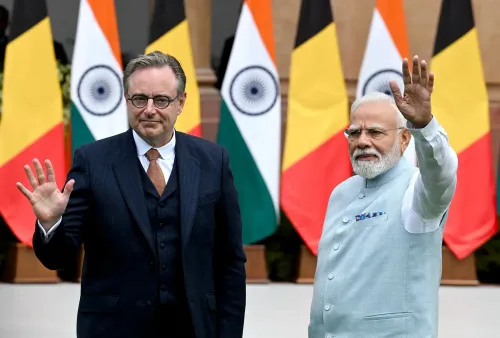
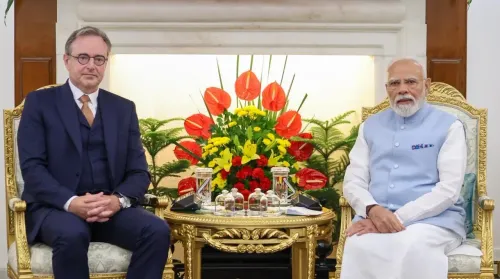
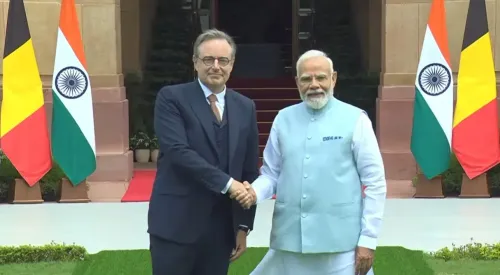
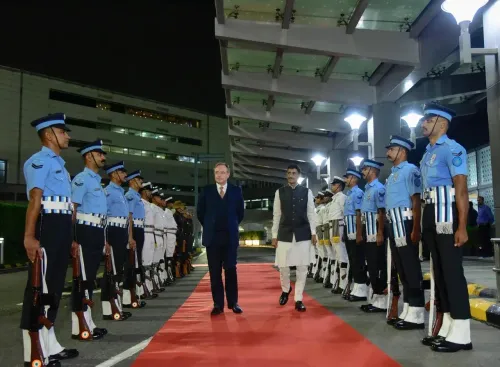
PM Modi and Belgian PM Bart De Wever met at Hyderabad House, New Delhi on 3 September , backing early peace in Ukraine and West Asia .
Both nations agreed to enhance military exchanges, training cooperation , and intelligence sharing, with defence co-development and co-production on the agenda.
An MoU on renewable energy was signed; cooperation on critical minerals processing and recycling was also announced.
Belgium's IMEC Institute is set to be integrated with India's semiconductor ecosystem .
An 'Investment Fast-Track Mechanism' for Belgian companies in India was established, with a goal to double bilateral trade in five years .
A Migration and Mobility Partnership Agreement is expected to be concluded soon.
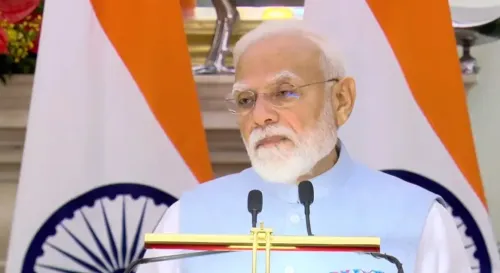
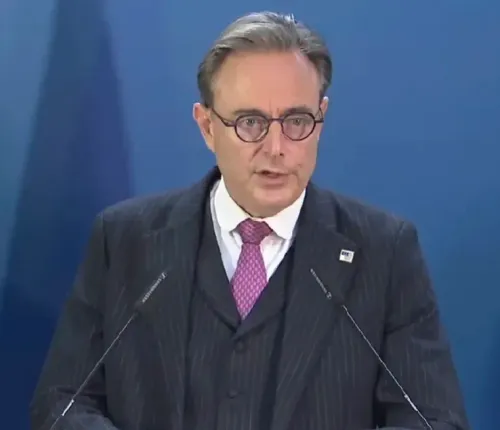
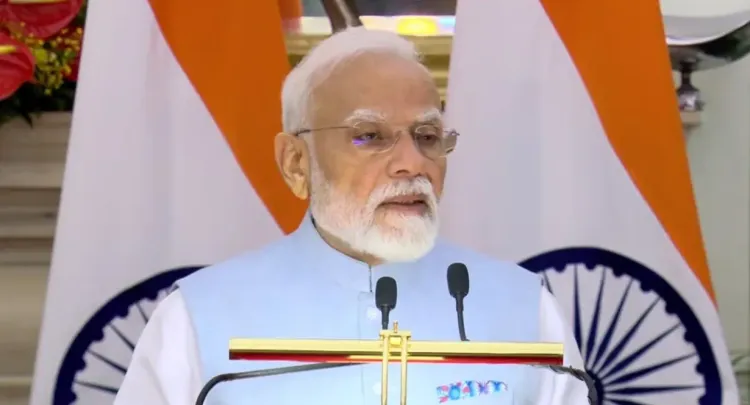
Prime Minister Narendra Modi and Belgian Prime Minister Bart De Wever on Thursday, 3 September jointly reaffirmed their nations' commitment to the rule of law, dialogue, and diplomacy, calling for early resolution of ongoing conflicts including in Ukraine and West Asia. The two leaders addressed a joint press conference at Hyderabad House in New Delhi following bilateral talks that produced a wide range of agreements spanning defence, clean energy, semiconductors, and trade.
Key Developments from the Summit
Modi described people-to-people ties as the 'greatest strength' of the India-Belgium relationship, noting that both nations are deepening connections between their startup ecosystems and have reached an agreement to build capacity in the maritime sector. The two sides are also set to conclude a Migration and Mobility Partnership Agreement in the near term.
On the global stage, Modi stated: 'Whether it is Ukraine or West Asia, we support all efforts for an early resolution of conflicts and peace. Eradicating terrorism in all its forms remains our shared commitment.'
Defence and Security Cooperation
Modi termed defence and security cooperation a 'key pillar' of bilateral ties. Both nations have agreed to enhance military exchanges and training cooperation, while government-to-government and industry-level defence agreements are expected to unlock new avenues for co-development and co-production. Intelligence sharing and cooperation against cross-border crime are also set to be strengthened.
Among the concrete defence initiatives cited was collaboration on the Zorawar tank — a light battle tank under development — marking a notable area of India-Belgium defence-industrial engagement.
Clean Energy, Critical Minerals and Semiconductors
Both leaders stressed that a clean energy future and reliable supply chains are shared priorities. An MoU on renewable energy was signed during the visit to give fresh momentum to sustainability cooperation. The two nations have also decided to enhance collaboration in the processing and recycling of critical minerals.
On semiconductors, Modi highlighted a complementarity between Belgium's IMEC Institute — one of the world's foremost chip research bodies — and India's semiconductor ecosystem, announcing plans to integrate the two. Additionally, both countries are developing what is described as one of the world's largest green ammonia projects in Kakinada, Andhra Pradesh.
Trade and Investment Push
Modi pointed to the recently concluded India-EU Free Trade Agreement (FTA) as a catalyst for deeper economic engagement. To translate opportunity into outcomes, both sides have established an 'Investment Fast-Track Mechanism' for Belgian companies operating in India. The India-Belgium Business Forum will be institutionalised as a regular mechanism, and financial, fintech, and regulatory institutions of both countries will enhance synergies.
The stated goal is to double bilateral trade over the next five years.
Historical Ties and the Road Ahead
Modi invoked the shared historical memory of Indian soldiers who fought and sacrificed in Belgium during the First World War, calling it a vital part of the two nations' collective memory. He noted that democratic values, a market economy, and strong people-to-people bonds make India and Belgium 'natural partners.'
With multiple agreements now signed and mechanisms established, the partnership enters what both leaders described as a strategically expanded phase — one that moves well beyond traditional trade into defence, technology, and the green economy.
Point of View
And Belgium, as a NATO member, represents a Western interlocutor. That both could find common language on 'dialogue and diplomacy' reflects India's continued success in straddling geopolitical fault lines. More substantively, the IMEC semiconductor integration and the Kakinada green ammonia project suggest this summit had real industrial content, not just diplomatic boilerplate. The test will be execution: India's track record on translating bilateral MoUs into operational projects has been uneven, and the 'double trade in five years' target will need the India-EU FTA's implementing rules to actually deliver market access.
NationPress
19 Oct 2026
Frequently Asked Questions
What did PM Modi and Belgian PM Bart De Wever agree on during their New Delhi meeting?
The two leaders agreed on a broad set of measures including enhanced military exchanges, a renewable energy MoU, integration of Belgium's IMEC Institute with India's semiconductor ecosystem, and an Investment Fast-Track Mechanism for Belgian firms. They also jointly called for early resolution of conflicts in Ukraine and West Asia.
What is the Zorawar tank and why is it significant in India-Belgium ties?
The Zorawar is a light battle tank under development in India, and collaboration on it was cited by PM Modi as an example of India-Belgium defence-industrial cooperation. It signals a move beyond traditional trade into co-development of military hardware.
What is the green ammonia project mentioned by PM Modi?
India and Belgium are jointly developing one of the world's largest green ammonia projects in Kakinada, Andhra Pradesh. Green ammonia is produced using renewable energy and is considered a key clean fuel for shipping and industry.
How does the India-EU Free Trade Agreement affect India-Belgium trade?
PM Modi highlighted the India-EU FTA as opening new possibilities for bilateral economic ties. Belgium, as an EU member and home to major port and financial infrastructure, stands to benefit significantly from improved market access under the agreement.
What is the Migration and Mobility Partnership Agreement between India and Belgium?
It is a bilateral agreement set to be concluded soon that is expected to govern the movement of people, professionals, and migrants between India and Belgium, facilitating legal mobility and addressing irregular migration.