Belgian PM De Wever: India's voice carries far beyond its region
Synopsis
For the first time in 20 years, a Belgian Prime Minister landed in New Delhi — and Bart De Wever did not come empty-handed. A defence letter of intent, a near-finalised EU-India Free Trade Agreement, and a December Modi-in-Brussels signing ceremony signal that this long-dormant bilateral is suddenly moving fast.
Key Takeaways
Belgian PM Bart De Wever visited New Delhi on 3 September — the first Belgian head of government to do so in 20 years .
De Wever called India the world's largest democracy, fastest-growing major economy, and a geopolitical force whose voice reaches 'way beyond this region.' A letter of intent on defence cooperation was exchanged, covering military exchanges, co-development, and potential co-production.
The EU-India Free Trade Agreement , concluded after nearly 20 years of negotiations, is set for formal signing in Belgium before end- 2026 .
De Wever invited PM Modi to Brussels in December 2026 for the signing ceremony.
De Wever expressed condolences for Indian nationals killed in Nepal flash floods on 26 August .
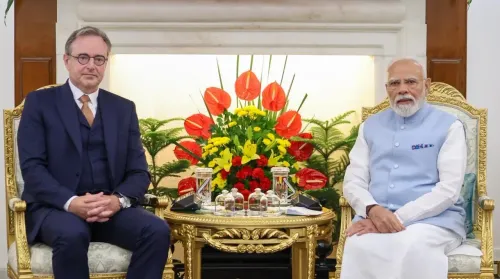
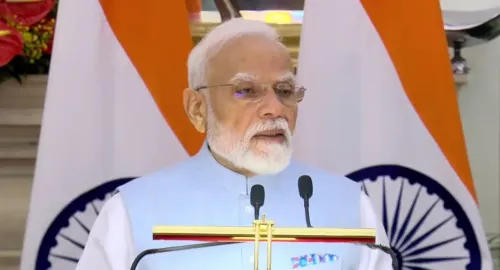
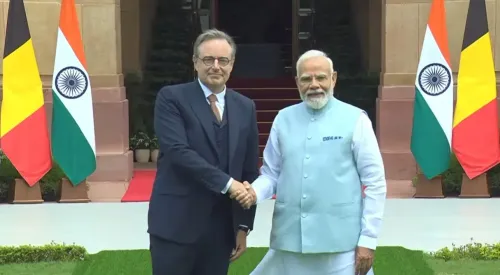
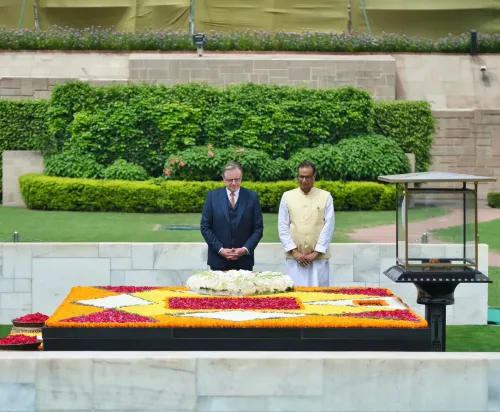
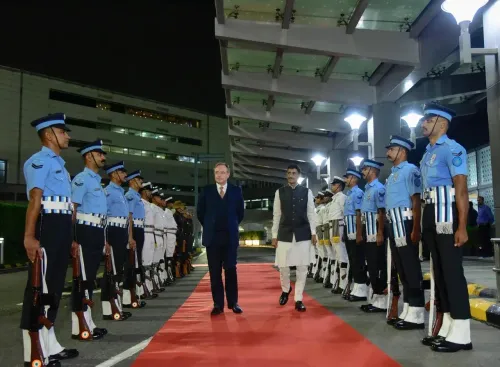
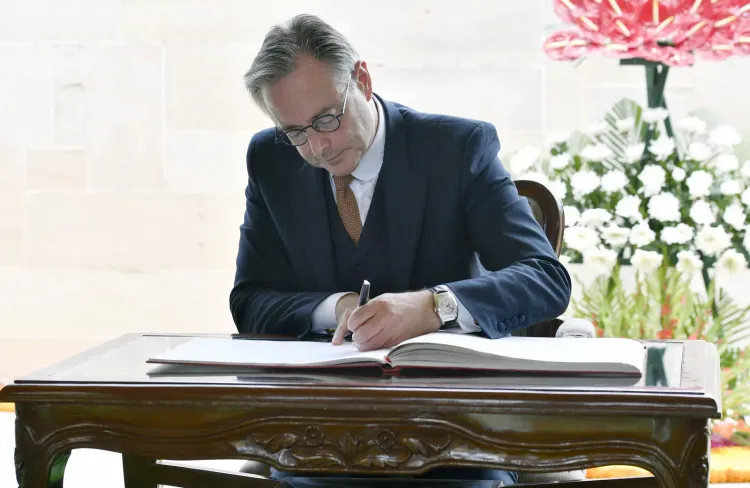
Belgian Prime Minister Bart De Wever on 3 September declared that India has evolved into the world's largest democracy, its fastest-growing major economy, and an influential geopolitical force whose reach extends well beyond the subcontinent — remarks made at a joint press conference with Prime Minister Narendra Modi in New Delhi following bilateral talks. De Wever's visit marked the first by a Belgian head of government to India in 20 years.
A Long-Overdue Visit
Acknowledging the two-decade gap, De Wever described his trip as both personally and diplomatically significant. 'It is too long,' he said plainly, adding that the interval made the visit all the more meaningful. As a citizen of Antwerp, he noted a personal dimension to finally arriving in India, while stressing that the country he encountered bore little resemblance to the one his predecessors last engaged with.
'In those 20 years, India has changed enormously, and certainly in the period of the leadership of Prime Minister Modi,' De Wever said, crediting the transformation to the sustained direction set under Modi's tenure.
India as a Global Powerhouse
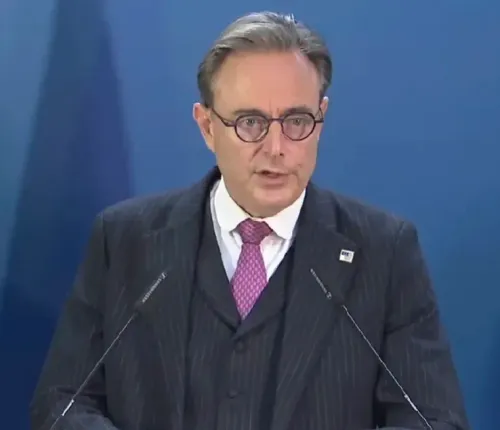
De Wever was unambiguous in framing India's current standing. 'Today, you are not only the world's largest democracy but also the fastest-growing major economy, which has become an economic and technological powerhouse and a major geopolitical factor whose voice carries way beyond this region,' he said. He positioned this rising stature as the core reason Belgium views India as an increasingly indispensable partner.
De Wever also made the case for reciprocity, noting that Belgium — though far smaller in scale — ranks among the world's most open and internationally connected economies, with prosperity built on trade and global market access. This framing positions the bilateral not as a patron-client relationship but as a partnership of complementary strengths.
Defence Cooperation and the Letter of Intent
Security cooperation featured prominently in the talks. Belgian Defence and Foreign Trade Minister Theo Francken accompanied the delegation, signalling the seriousness with which Brussels approaches defence-industrial ties. The two sides exchanged a letter of intent covering government-to-government contacts, military exchanges, research, innovation, co-development, and, potentially, co-production.
'The exchange of the letter of intent we have just witnessed gives that cooperation a new framework,' De Wever said. This comes amid a broader global trend of democracies deepening defence supply chains outside traditional blocs.
EU-India Free Trade Agreement: A Historic Milestone
De Wever called the conclusion of the EU-India Free Trade Agreement a 'major milestone' after nearly 20 years of negotiations. He expressed Belgium's commitment to ensuring the pact translates into concrete outcomes for citizens and businesses, citing improved market access, investment flows, and long-term regulatory predictability.
The formal signing is expected to take place in Belgium before the end of 2026, with De Wever extending an invitation for Prime Minister Modi to visit Brussels in December for the occasion. 'After almost twenty years of negotiations, India and Europe have chosen to bring our economies closer together at a time when economic fragmentation is increasing elsewhere. This is an important signal to the world,' he said.
Condolences and the Road Ahead
De Wever also offered condolences to families of Indian nationals killed in the devastating flash floods that struck Nepal on 26 August, acknowledging the tragedy in the context of regional solidarity.
Concluding on a forward-looking note, the Belgian PM said he came to New Delhi convinced that the best of the India-Belgium relationship lies ahead — and left even more certain of it after the day's talks. The Modi visit to Brussels in December, if confirmed, would represent a high-visibility capstone to a year of renewed bilateral momentum.
Point of View
Not just goodwill. The 20-year gap in Belgian prime ministerial visits is itself a data point: Europe's engagement with India has historically lagged its stated ambitions. Whether this visit breaks that pattern depends on whether the FTA's implementation architecture is as ambitious as its conclusion. The 'important signal to the world' framing is also pointed — both sides are clearly positioning the deal as a counter-narrative to global economic fragmentation, with one eye on Beijing.
NationPress
18 Oct 2026
Frequently Asked Questions
Why did Belgian PM Bart De Wever visit India in September 2026?
De Wever visited New Delhi on 3 September 2026 for bilateral talks with Prime Minister Narendra Modi, making him the first Belgian head of government to visit India in 20 years. The visit focused on deepening defence cooperation, advancing the EU-India Free Trade Agreement, and broadening bilateral ties across trade and technology.
What is the EU-India Free Trade Agreement and when will it be signed?
The EU-India Free Trade Agreement is a landmark trade pact concluded after nearly 20 years of negotiations, aimed at improving market access, encouraging investment, and providing long-term regulatory certainty for businesses on both sides. The formal signing is expected to take place in Belgium before the end of 2026, with PM Modi invited to Brussels in December for the ceremony.
What defence agreement was signed between India and Belgium?
India and Belgium exchanged a letter of intent on defence cooperation during De Wever's visit, establishing a framework for government-to-government contacts, military exchanges, joint research, innovation, co-development, and potentially co-production. Belgian Defence and Foreign Trade Minister Theo Francken accompanied the delegation to underscore the significance of this track.
What did Belgian PM De Wever say about India's global standing?
De Wever described India as the world's largest democracy, its fastest-growing major economy, and a major geopolitical factor 'whose voice carries way beyond this region.' He credited Prime Minister Modi's leadership for the transformation India has undergone over the past two decades.
Why does the India-Belgium bilateral relationship matter now?
After a 20-year gap in high-level visits, the renewed engagement comes at a strategically significant moment — with the EU-India FTA concluded and global supply chains being restructured. Belgium, one of Europe's most open economies and home to the EU's institutional heart in Brussels, is positioned as a gateway for deeper India-EU economic and defence integration.