CM Vishnu Deo Sai Pledges Women's Dignity on Navratri 2026
Synopsis
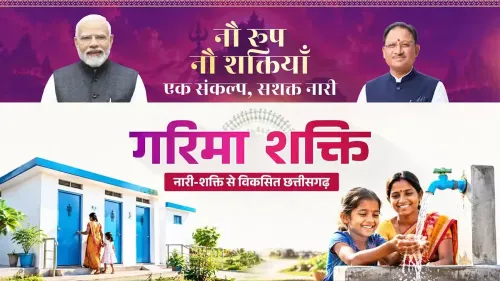
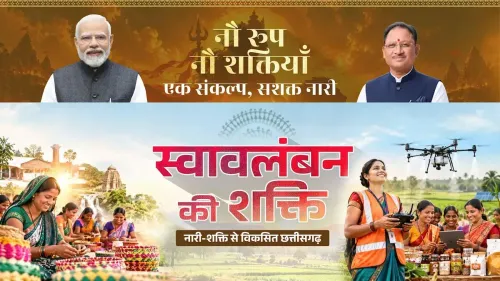
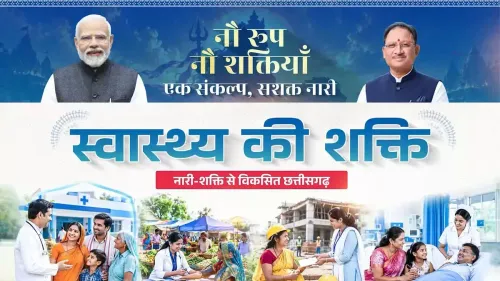
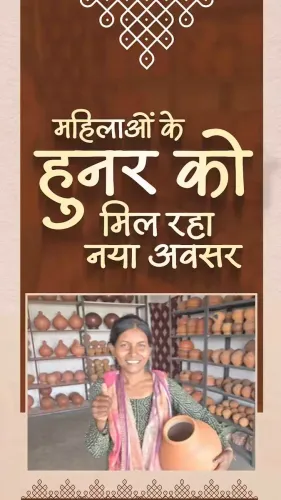
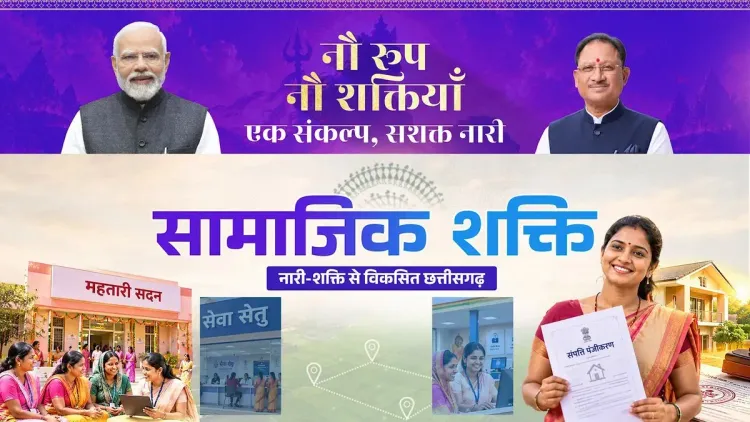
On Navratri 2026, Chhattisgarh Chief Minister Vishnu Deo Sai pledged lasting commitment to women's self-respect and self-reliance, framing women's empowerment as the foundation of a stronger family, society, and state.
Key Takeaways
CM Vishnu Deo Sai posted his Navratri 2026 women's empowerment message on 18 October 2026 .
He stated that a strong family, society, and state are only possible when women are empowered and participate in decisions.
He described his government as a 'good-governance government' giving mothers and sisters opportunity, respect, and support.
He signed off as 'Vishnu Bhaiya' , pledging commitment to every mahatari-behen 's self-respect and self-reliance in Chhattisgarh .
The message was tagged #CGNavratri2026 and #महतारी_का_सम्मान , anchoring it in both cultural celebration and the state's political identity.
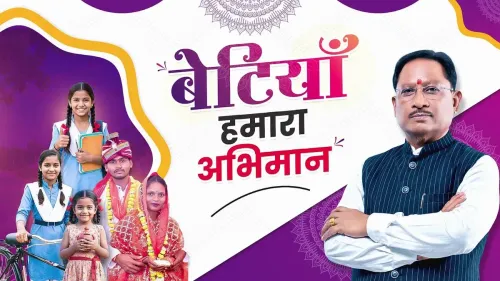
The outreach fits a broader national pattern of women-centric governance messaging during festivals, rooted in schemes like Beti Bachao Beti Padhao (2015) .
On the occasion of Navratri 2026, Chhattisgarh Chief Minister Vishnu Deo Sai reaffirmed his government's commitment to women's empowerment, casting the festival's spirit of shakti (divine feminine power) as the lens through which his administration frames its welfare agenda for the state's mothers and sisters.
Posting on Sunday, 18 October 2026, the Chief Minister wrote: 'When women are empowered, their participation in decisions increases and they move forward with self-reliance — only then does the family, society, and the state become strong.' He added that his 'good-governance government' is giving mothers and sisters opportunity, respect, and support, giving new wings to their dreams.
Signing off with characteristic warmth, he referred to himself as 'Vishnu Bhaiya' — 'your brother Vishnu' — pledging to remain forever committed to the self-respect, self-reliance, and bright future of every mahatari-behen (mother-sister) of Chhattisgarh. The hashtags #CGNavratri2026 and #महतारी_का_सम्मान ('honour of the mother') anchored the message in both cultural celebration and political identity.
Navratri as a Platform for Women-Centric Governance Messaging
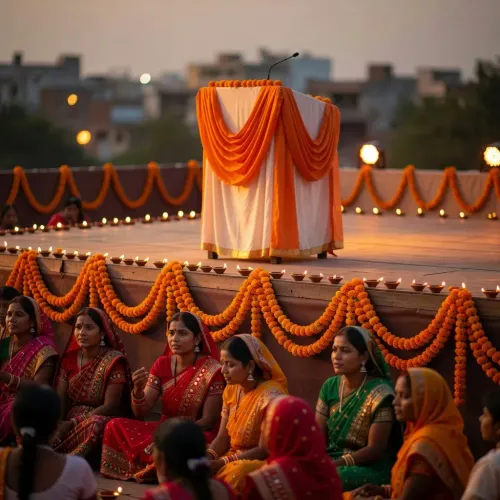
Chhattisgarh, a central Indian state with a significant tribal population, has been a consistent focus of women-centric welfare delivery under BJP-led administrations. Chief ministers across India have long used the nine nights of Navratri — a festival centred on the goddess as a symbol of power — to foreground government outreach to women, aligning cultural sentiment with policy visibility.
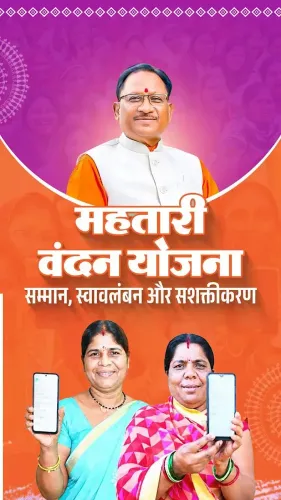
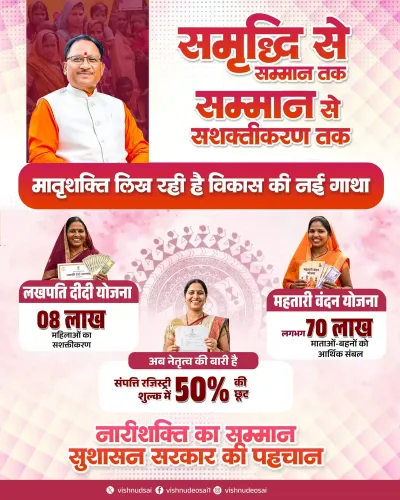
The national template stretches back to programmes like Beti Bachao Beti Padhao, launched in 2015, which pushed financial inclusion, education, and decision-making participation for women as pillars of development. State-level financial support schemes have since layered on top of that foundation, aiming to translate dignity into economic independence. CM Sai's message reflects this arc — the language of swabhimaan (self-respect) and swavalamban (self-reliance) is now the standard vocabulary of this strand of governance politics.
The 'Mahatari' Identity at the Heart of Sai's Outreach
The repeated use of the word mahatari — the Chhattisgarhi term for 'mother' — is deliberate. It grounds the Chief Minister's message in the local cultural idiom rather than standard Hindi, signalling a connection with the state's grassroots identity. For a BJP leader governing a state where tribal and rural women form a large and politically significant bloc, that linguistic choice carries weight well beyond sentiment.
The self-description as 'Vishnu Bhaiya' reinforces an image of approachable, familial leadership — a rhetorical device that positions the Chief Minister not as a distant administrator but as a member of the household he governs. It is a familiar register in Chhattisgarh politics, and Sai has deployed it consistently since taking office.
With assembly budget sessions on the horizon, the real measure of these pledges will arrive in scheme rollouts and fiscal allocations. The Navratri message sets the tone; the budget will set the terms.
Point of View
Localised outreach to tribal and rural women voters, a demographic the party has worked hard to consolidate. Framing the Chief Minister as 'Vishnu Bhaiya' sustains a familial, approachable image that sits at the centre of his personal political brand. The real test, as always, will be whether upcoming budget sessions translate the language of dignity into measurable scheme allocations.
NationPress
18 Oct 2026
Frequently Asked Questions
What did CM Vishnu Deo Sai say on Navratri 2026 about women?
CM Vishnu Deo Sai said that when women are empowered and participate in decisions, the family, society, and state all become stronger. He pledged that his government would continue giving mothers and sisters opportunity, respect, and support to fulfil their dreams.
What does 'mahatari' mean in the context of Chhattisgarh politics?
'Mahatari' is the Chhattisgarhi word for 'mother.' CM Sai uses it deliberately to connect with the state's local cultural identity, particularly with tribal and rural women who form a significant part of Chhattisgarh's population.
Why does CM Sai call himself 'Vishnu Bhaiya'?
CM Sai uses the term 'Vishnu Bhaiya,' meaning 'brother Vishnu,' to project an image of familial, approachable leadership. It is a rhetorical device he uses consistently to signal closeness to the people of Chhattisgarh, especially women constituents.
What national scheme underpins India's women's empowerment push referenced by CM Sai?
The national scheme most directly underpinning this push is 'Beti Bachao Beti Padhao,' launched in 2015, which promoted financial inclusion, education, and decision-making participation for women. State-level financial support programmes have since built on this foundation.
What is the significance of using Navratri for women's welfare messaging in Indian politics?
Navratri, centred on the worship of the goddess as a symbol of divine feminine power, provides a culturally resonant backdrop for women's empowerment messaging. Chief ministers across India regularly use the festival to foreground their government's welfare outreach to women, aligning policy visibility with popular sentiment.