Modi-Sweden visit: Strategic Partnership, AI Corridor, trade doubling targeted
Synopsis
Modi's Gothenburg visit wasn't just a courtesy call — it produced a Strategic Partnership upgrade, a new AI Corridor, and a five-year trade-doubling commitment. With Crown Princess Victoria joining business talks and the India-EU FTA as backdrop, India is systematically locking in European partnerships ahead of a major shift in global trade architecture.
Key Takeaways
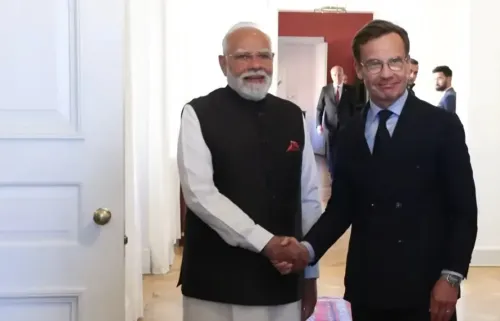
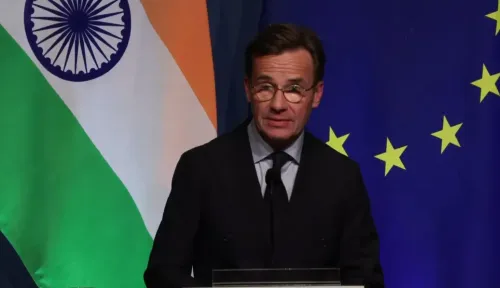
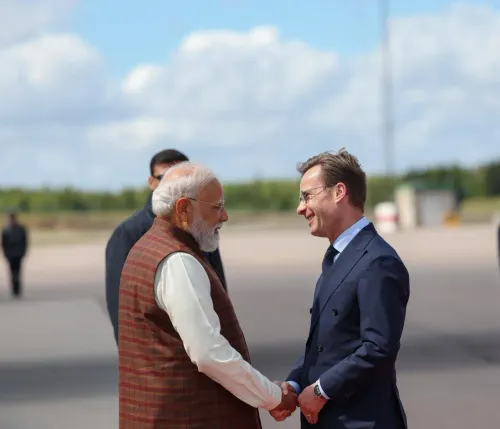
PM Modi visited Gothenburg, Sweden on 18 May and met Prime Minister Ulf Kristersson .
The two nations elevated ties to a Strategic Partnership and launched the India-Sweden Technology and Artificial Intelligence Corridor .
The Joint Innovation Partnership 2.0 was also launched, with a shared goal of doubling bilateral trade in five years .
Crown Princess Victoria participated in joint business leader interactions in Gothenburg.
Modi addressed the European Round Table for Industry (ERT) , pitching India-Europe convergence and opportunities under the India-EU FTA .
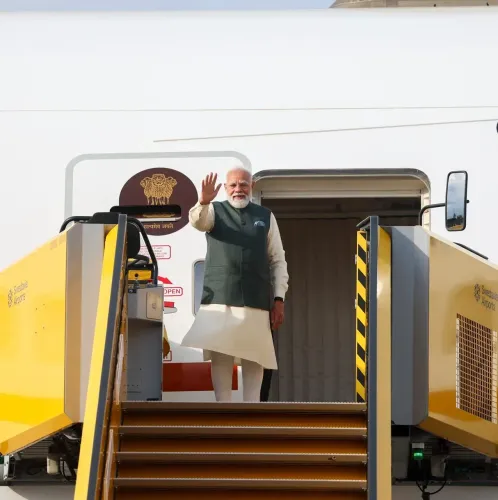
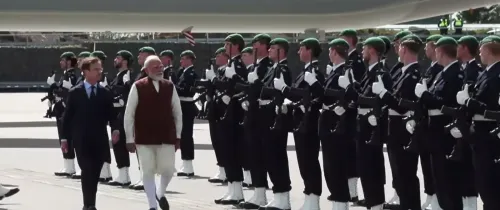
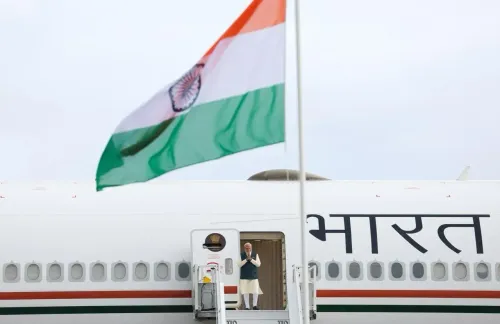
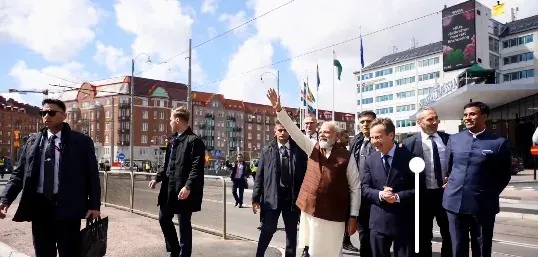
Prime Minister Narendra Modi on Monday, 18 May wrapped up his visit to Gothenburg, Sweden, thanking Prime Minister Ulf Kristersson and the Swedish people for their warmth, as the two nations formalised a slate of agreements aimed at resetting bilateral ties. Modi described the visit as 'marked by several important outcomes that will add new momentum to India-Sweden relations.'
Key Outcomes of the Visit
The headline deliverable was the elevation of India-Sweden ties to a Strategic Partnership — a significant diplomatic upgrade that opens structured channels for defence, technology, and economic cooperation. Alongside this, the two sides launched the Joint Innovation Partnership 2.0 and the India-Sweden Technology and Artificial Intelligence Corridor, signalling a focused push into emerging and deep-tech sectors. Both governments also committed to an ambitious goal of doubling bilateral trade within five years.
Business Engagement and Royal Participation
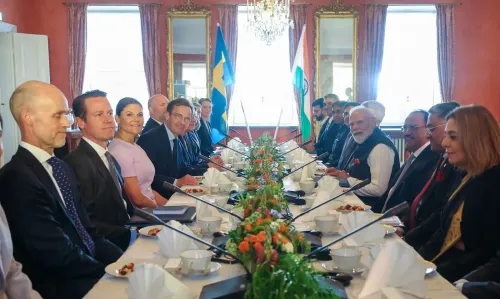
On the sidelines of official talks, Modi and Kristersson jointly met Swedish business leaders in Gothenburg. Her Royal Highness Crown Princess Victoria also participated in the interaction — an unusual and notable gesture underscoring Sweden's interest in deepening commercial ties with India. Discussions ranged across futuristic technologies, R&D, artificial intelligence, security, and healthcare. Modi used the platform to highlight India's ongoing reform trajectory and the investment opportunities it opens across infrastructure, innovation, and technology sectors.
India-Europe Convergence at ERT
Earlier during the visit, Modi addressed the European Round Table for Industry (ERT) in Gothenburg — a forum of chief executives from Europe's largest corporations. His remarks centred on the growing convergence between India and Europe, the commercial opportunities unlocked by the India-European Union Free Trade Agreement (FTA), and India's reform-driven economic growth story. The address was seen as a direct pitch to European capital and industry at a time when the India-EU FTA is expected to reshape trade flows between the two blocs.
What This Signals
The Gothenburg visit is part of a broader European diplomatic push by the Modi government, coming at a time when India is actively positioning itself as an alternative manufacturing and innovation hub amid global supply-chain restructuring. The AI Corridor and Joint Innovation Partnership 2.0 are particularly notable — they go beyond traditional trade frameworks and signal intent to co-develop technology rather than merely exchange goods. Notably, Sweden is home to global technology and industrial giants, making it a strategically significant partner for India's ambitions in clean energy, mobility, and advanced manufacturing. The bilateral relationship, while historically cordial, had lacked the institutional depth that the new Strategic Partnership framework is now designed to provide. With the India-EU FTA in the backdrop, this visit may prove to be a template for similar upgrades with other Nordic and European partners.
Point of View
They could meaningfully plug India into Sweden's deep-tech ecosystem. The trade-doubling target also needs a baseline: India-Sweden bilateral trade is relatively modest, and doubling a small number is easier than it sounds. The harder question is whether the India-EU FTA, which provides the structural scaffolding, will be ratified and implemented on schedule — without that, the Gothenburg commitments risk remaining aspirational.
NationPress
3 Oct 2026
Frequently Asked Questions
What was agreed during PM Modi's visit to Sweden?
India and Sweden elevated their relationship to a Strategic Partnership, launched the Joint Innovation Partnership 2.0 and the India-Sweden Technology and Artificial Intelligence Corridor, and set a goal of doubling bilateral trade within five years. The agreements were announced during Modi's visit to Gothenburg on 18 May.
What is the India-Sweden AI Corridor?
The India-Sweden Technology and Artificial Intelligence Corridor is a newly launched framework aimed at deepening cooperation between the two countries in artificial intelligence and advanced technology. It is designed to facilitate joint development and collaboration in sectors including R&D, security, and healthcare.
Why did Modi address the European Round Table for Industry?
Modi addressed the ERT in Gothenburg to make a direct pitch to European business leaders on India-Europe convergence, the opportunities created by the India-EU Free Trade Agreement, and India's reform-driven growth. The forum comprises chief executives from Europe's largest corporations.
Who else participated in the India-Sweden business meetings?
Swedish Prime Minister Ulf Kristersson and PM Modi jointly met Swedish business leaders in Gothenburg. Crown Princess Victoria also participated in the interaction, a notable gesture signalling Sweden's high-level interest in strengthening commercial ties with India.
What is the significance of India-Sweden ties being upgraded to a Strategic Partnership?
A Strategic Partnership provides an institutional framework for structured cooperation across defence, technology, trade, and diplomacy. For India and Sweden, it formalises and deepens a relationship that had previously lacked such a structured channel, and aligns with India's broader push to upgrade ties with European partners.