Modi gifts Kesar Mangoes, Rogan Painting to UAE President in Abu Dhabi
Synopsis
Modi's gift list for the UAE wasn't ceremonial filler — every item carried a GI tag or represented a craft tradition at risk of fading. From Kutch's rare Rogan art to Manipur's once-royal Black Rice, the selection was a calculated soft-power statement, signalling that India's diplomatic currency is as much cultural as it is commercial.
Key Takeaways
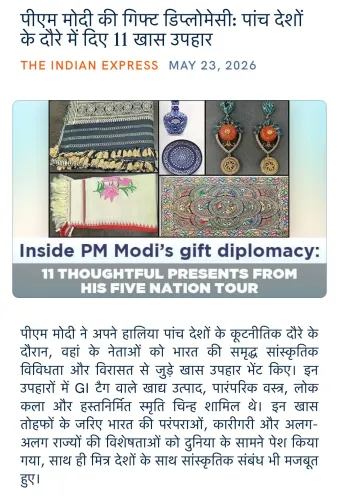
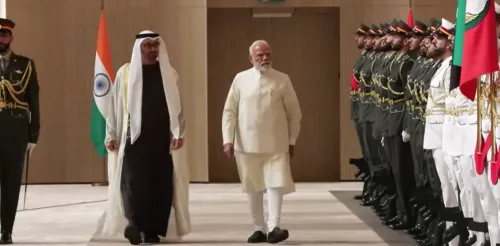
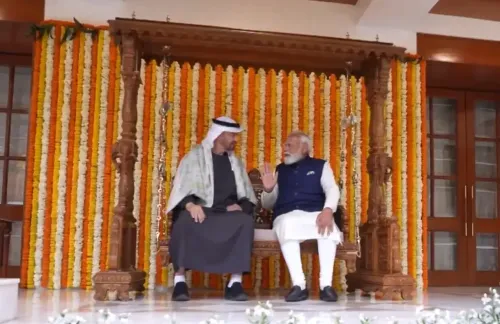
PM Modi visited Abu Dhabi as part of a five-nation tour , gifting curated Indian crafts and produce to UAE leadership.
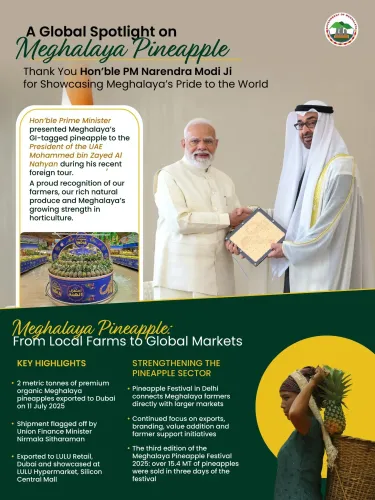
UAE President Sheikh Mohamed bin Zayed Al Nahyan received Kesar Mangoes (GI-tagged, Gujarat), a Rogan Painting (Kutch), and Meghalaya pineapples (GI-tagged).
The UAE Queen Mother received a Karimnagar Filigree box , Maheshwari silk (Madhya Pradesh), and Chak Hao Black Rice (Manipur).
UAE Crown Prince Khaled bin Mohamed Al Nahyan received Mithila Makhana (Bihar, GI-tagged) and a Koftgari ceremonial dagger (Udaipur, Rajasthan).
Each gift reflects India's artisanal and agricultural heritage, reinforcing India–UAE cultural and diplomatic ties.
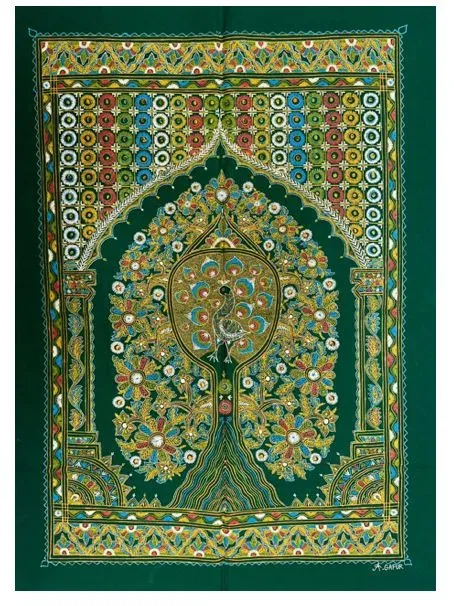
Prime Minister Narendra Modi presented a curated selection of India's finest GI-tagged produce and traditional crafts to UAE President Sheikh Mohamed bin Zayed Al Nahyan during his visit to Abu Dhabi as part of a five-nation tour. The gifts — spanning Kesar Mangoes, a Rogan Painting featuring the Tree of Life motif, and Meghalaya pineapples — were chosen to reflect India's cultural depth and artisanal heritage.
Gifts to the UAE President
Kesar Mango, a GI-tagged variety from Gujarat's Junagadh district and popularly dubbed the 'Queen of Mangoes,' is prized for its saffron-hued, fibreless pulp and intense fragrance. It holds a ceremonial place in Gujarati culture, most notably through the tradition of 'Aamras' feasts that embody the region's hospitality.
The Rogan Painting gifted to the President features the Tree of Life, a motif drawn from the rare textile art tradition of Gujarat's Kutch region. In Rogan art, the Tree of Life symbolises interconnectedness, renewal, and continuity — values that, as the gesture implies, resonate with the ethos of the United Arab Emirates.
The Meghalaya pineapples, also GI-tagged, are cultivated in the hilly terrains of Northeast India and are internationally recognised for their high sugar content, low acidity, and nutritional density, including elevated levels of bromelain, Vitamin C, and antioxidants.
Gifts to the UAE Queen Mother
Modi presented three distinct gifts to the UAE Queen Mother: a Karimnagar Filigree box, Maheshwari silk fabric, and Chak Hao Rice.
The Karimnagar Filigree box is a silver chest crafted using the nakkashi metalcraft tradition's repousse technique, in which intricate motifs are hand-hammered into silver sheets. The chest depicts a ceremonial elephant procession with a royal howdah — a symbol of prestige in Indian culture.
Maheshwari silk, originating in Maheshwar on the banks of the Narmada River in Madhya Pradesh, is a handloom fabric woven with a silk warp and cotton weft, celebrated for its reversible borders known as 'Bugdi.' The tradition is historically linked to Queen Ahilyabai Holkar, the 18th-century ruler who made Maheshwar a hub of craftsmanship.
Chak Hao Rice — Manipur's famed 'Black Rice' — was once reserved for royalty and ceremonial occasions. It is valued today for its dietary fibre, iron content, antioxidants, and slow-digesting carbohydrates.
Gifts to the UAE Crown Prince
Modi gifted Mithila Makhana and a ceremonial dagger with Koftgari work to UAE Crown Prince Khaled bin Mohamed Al Nahyan.
Mithila Makhana, or fox nut, is a GI-tagged product from the Mithila region of Bihar, harvested from freshwater wetlands and known for its protein content, minerals, and antioxidants.
The Koftgari dagger — crafted by Sikligar artisans and traditional metalworkers in Udaipur, Rajasthan — features fine gold and silver wires inlaid onto steel in floral and geometric patterns. Once patronised by Rajput courts, the craft has historically transformed weapons into emblems of refinement. The gift draws a deliberate parallel with the Emirati Khanjar tradition, underscoring the shared cultural appreciation between the two nations.
Diplomatic Significance
The selection of gifts was notably deliberate — each item either carries a GI tag or represents a living craft tradition at risk of decline. This is consistent with Modi's established diplomatic practice of using artisanal gifts to amplify India's soft-power projection, particularly with Gulf partners. India–UAE ties have deepened significantly over the past decade, encompassing trade, energy, and diaspora diplomacy, and the gift exchange reinforces that trajectory at a personal level.
Point of View
And this Abu Dhabi selection is among the more sophisticated iterations. By anchoring every gift to a GI tag or endangered craft, the gesture simultaneously promotes rural artisans and frames India as a civilisational repository — not merely a trade partner. The parallel drawn between the Koftgari dagger and the Emirati Khanjar is particularly sharp: it signals cultural parity rather than deference. Whether these gestures translate into tangible policy gains — in energy pricing, diaspora protections, or trade corridor agreements — remains the harder test.
NationPress
6 Oct 2026
Frequently Asked Questions
What gifts did PM Modi give to UAE President Sheikh Mohamed bin Zayed Al Nahyan?
PM Modi presented Kesar Mangoes (a GI-tagged variety from Gujarat's Junagadh), a Rogan Painting featuring the Tree of Life motif from Gujarat's Kutch region, and GI-tagged Meghalaya pineapples. The gifts were exchanged during Modi's visit to Abu Dhabi as part of his five-nation tour.
What is Rogan Painting and why was it gifted?
Rogan Painting is a rare textile art form from the Kutch region of Gujarat, known for its vibrant craftsmanship and intricate motifs. The Tree of Life design gifted to the UAE President symbolises interconnectedness, renewal, and continuity — values considered resonant with UAE culture.
What did PM Modi gift to the UAE Crown Prince?
Modi gifted Mithila Makhana — a GI-tagged fox nut from Bihar's Mithila region — and a ceremonial dagger adorned with Koftgari work, crafted by artisans in Udaipur, Rajasthan. The dagger's gold-and-silver inlay tradition was compared to the Emirati Khanjar heritage.
What gifts were presented to the UAE Queen Mother?
The UAE Queen Mother received a Karimnagar Filigree silver box crafted using the nakkashi repousse technique, Maheshwari silk fabric from Madhya Pradesh's Maheshwar town, and Chak Hao Black Rice from Manipur. All three items represent distinct regional craft and agricultural traditions.
Why does PM Modi use GI-tagged products as diplomatic gifts?
GI-tagged products carry legal recognition of their geographic origin and quality, making them credible symbols of India's regional heritage. By gifting such items, Modi's diplomatic practice draws attention to artisanal communities and positions India's cultural output as a soft-power asset in bilateral relationships.