PM-AASHA budget hits ₹7,200 crore in 2026-27 as digital reforms reshape farmer procurement
Synopsis
PM-AASHA's budget has climbed to ₹7,200 crore in 2026-27 — a 32% jump over two years — as the Centre doubles down on price assurance for farmers through NAFED, NCCF, and a suite of digital tools including Aadhaar-linked payments and e-NAM. Jute farmers are seeing the highest MSP margin at ₹2,293 per quintal, but the real test is whether procurement volumes keep pace with the expanded outlay.
Key Takeaways
PM-AASHA budget for 2026-27 stands at ₹7,200 crore , up from ₹6,941.36 crore in 2025-26 and actual spend of ₹5,437.99 crore in 2024-25 .
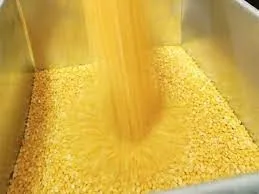
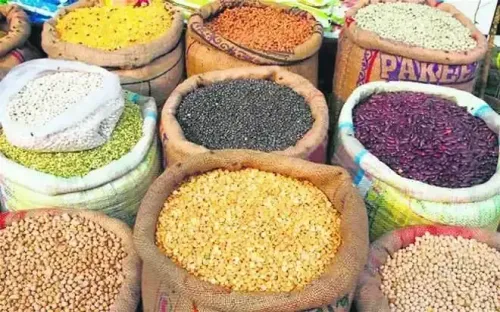
Procurement of pulses, oilseeds, and copra is handled by NAFED and NCCF under the scheme's price support operations.
Digital reforms — Aadhaar authentication , e-NAM , e-Samriddhi , and e-Samyukti — have been integrated to improve transparency and efficiency.
Jute records the highest MSP margin in 2026-27 at ₹2,293 per quintal (MSP: ₹5,925 ; cost: ₹3,662 ).
Wheat margin stands at ₹1,346 per quintal ; paddy (common) at ₹814 per quintal ; soybean (yellow) at ₹1,903 per quintal .
The Agriculture Infrastructure Fund has backed physical procurement infrastructure alongside the digital overhaul.
Pradhan Mantri Annadata Aay Sanrakshan Abhiyan (PM-AASHA), the Centre's flagship agricultural price support programme, has steadily expanded its procurement footprint and budget allocation, with the 2026-27 outlay reaching ₹7,200 crore — up from ₹6,941.36 crore in 2025-26 and ₹5,437.99 crore actually spent in 2024-25, according to an official factsheet released on Friday, 21 August. The scheme is designed to assure minimum price realisation for farmers, curb distress sales, and stabilise agricultural markets nationwide.
How PM-AASHA Works
PM-AASHA operates as a structured price assurance and market intervention framework, enabling timely procurement of pulses, oilseeds, and copra through designated agencies — principally NAFED (National Agricultural Cooperative Marketing Federation of India) and NCCF (National Cooperative Consumers' Federation of India). The programme has expanded procurement centres across states to broaden market access and, according to the factsheet, has contributed to the collective empowerment of farming communities.
The scheme covers three core pillars: price support operations, price stabilisation interventions, and market access infrastructure. Together, these are intended to prevent farmers from being forced to sell below the Minimum Support Price (MSP) during periods of market glut.
Digital Reforms Driving Transparency
A significant component of the programme's recent evolution is its integration with digital infrastructure. Aadhaar-enabled authentication has been deployed at procurement centres to reduce leakage and ensure payments reach verified beneficiaries directly. Platforms including e-NAM (the National Agriculture Market), e-Samriddhi, and e-Samyukti have been linked to procurement operations to improve transparency and efficiency across the supply chain.
Additional support has come through the Agriculture Infrastructure Fund, which has backed physical infrastructure at mandis and collection points. The factsheet describes these combined reforms as having materially improved the reach and operational integrity of procurement across participating states.
MSP Margins Crop by Crop in 2026-27
The factsheet details production costs and MSP margins for key crops in 2026-27. Paddy (common) carries a cultivation cost of ₹1,627 per quintal against an MSP of ₹2,441 per quintal, yielding a farmer margin of ₹814. Wheat has a production cost of ₹1,239 per quintal and an MSP of ₹2,585 per quintal, delivering a margin of ₹1,346.
Soybean (yellow) costs ₹3,805 per quintal to produce, with an MSP of ₹5,708 per quintal — a margin of ₹1,903. Jute records the highest absolute margin: a production cost of ₹3,662 per quintal against an MSP of ₹5,925 per quintal, leaving a surplus of ₹2,293 per quintal.
Budget Trajectory and What It Signals
The steady year-on-year increase in PM-AASHA allocations — from actual expenditure of ₹5,437.99 crore in 2024-25 to a budgeted ₹7,200 crore in 2026-27, a rise of roughly 32% over two years — reflects the Centre's stated commitment to income support for the agricultural sector. This comes amid persistent concerns among farmer groups about the gap between declared MSPs and actual market prices received at the farm gate, particularly for oilseeds and pulses.
With procurement agencies, digital platforms, and infrastructure funding now operating in tandem, the government's stated goal is a resilient price assurance ecosystem that functions even in years of surplus production. Whether on-ground procurement volumes match the expanded budget will be closely watched by agricultural economists in the months ahead.
Point of View
But the more telling metric — actual expenditure versus allocation — has historically shown a gap, as the ₹5,437.99 crore spent in 2024-25 against a higher allocation suggests. The MSP margins cited are government-computed costs; independent agricultural economists have long argued that these figures undercount family labour and land rent, making the 'margins' look more comfortable than farm-level reality. The digital integration push is genuinely useful, but e-NAM's adoption has been uneven across states. The real accountability test for PM-AASHA is whether procurement volumes in surplus years — when distress sales are most likely — actually absorb what farmers need to sell, not just what agencies are administratively equipped to buy.
NationPress
21 Aug 2026
Frequently Asked Questions
What is PM-AASHA and what does it do?
PM-AASHA (Pradhan Mantri Annadata Aay Sanrakshan Abhiyan) is the Centre's flagship price support programme for farmers, designed to ensure minimum price realisation, curb distress sales, and stabilise agricultural markets. It operates through procurement agencies NAFED and NCCF, covering pulses, oilseeds, and copra.
How much has the PM-AASHA budget increased?
The PM-AASHA budget has risen from actual expenditure of ₹5,437.99 crore in 2024-25 to ₹6,941.36 crore in 2025-26 and a budgeted ₹7,200 crore in 2026-27 — an increase of roughly 32% over two years, according to the official factsheet.
Which crop has the highest MSP margin under PM-AASHA in 2026-27?
Jute has the highest MSP margin in 2026-27 at ₹2,293 per quintal, with a production cost of ₹3,662 per quintal against an MSP of ₹5,925 per quintal. Among food grains, wheat offers a margin of ₹1,346 per quintal.
What digital reforms have been introduced under PM-AASHA?
The scheme has integrated Aadhaar-enabled authentication at procurement centres, along with platforms e-NAM, e-Samriddhi, and e-Samyukti to improve transparency and procurement efficiency. These reforms aim to ensure payments reach verified farmers directly and reduce leakage.
Who are the main procurement agencies under PM-AASHA?
NAFED (National Agricultural Cooperative Marketing Federation of India) and NCCF (National Cooperative Consumers' Federation of India) are the primary agencies responsible for procuring pulses, oilseeds, and copra under the PM-AASHA framework.