PM Modi gifts Blue Pottery, Kundan jewellery and Madhubani art to Dutch leaders
Synopsis
Modi's gifts to Dutch royalty and the prime minister were not ceremonial afterthoughts — each piece was a calibrated act of cultural diplomacy. Blue Pottery mirrored Delft Blue, Kundan-Meenakari earrings wore the Dutch national colours, and a Madhubani fish painting echoed a Dutch river conservation project. India's artisan traditions, quietly, did diplomatic heavy lifting.
Key Takeaways
PM Narendra Modi presented curated gifts to Dutch leaders during his State Visit to the Netherlands on 21 May .
King Willem-Alexander received a GI-tagged Blue Pottery piece from Jaipur, Rajasthan , echoing the Dutch Delft Blue tradition.
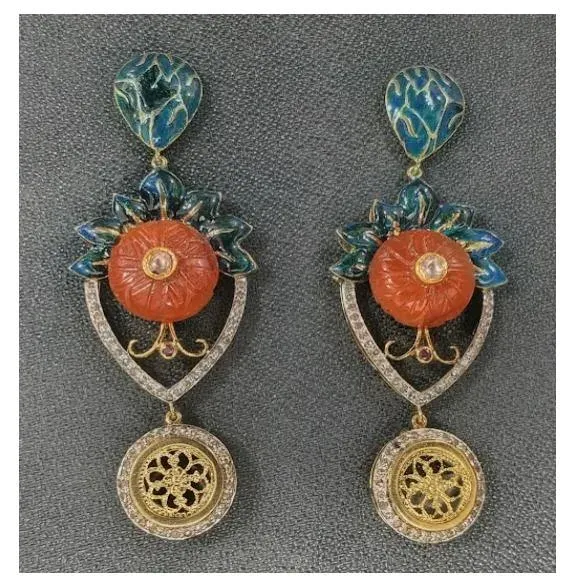
Queen Maxima received Meenakari and Kundan earrings in orange and blue — colours symbolic of the House of Orange-Nassau and Dutch identity.
Dutch PM Rob Jetten received a Madhubani painting with a fish motif, linked symbolically to the Fish Migration River at the Afsluitdijk .
The gifts collectively highlighted crafts from Rajasthan and the Mithila region , spotlighting Indian artisan communities on a global platform.
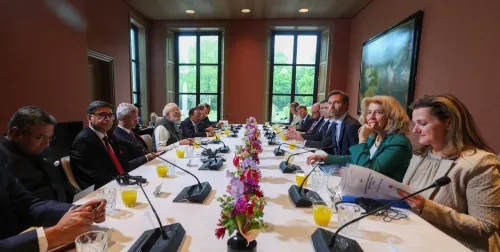
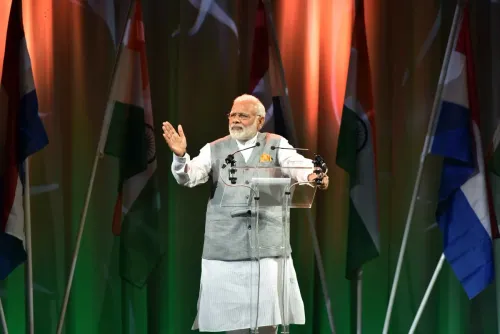
Prime Minister Narendra Modi presented a carefully curated set of gifts to Dutch leaders during his State Visit to the Netherlands on 21 May, showcasing India's diverse artistic heritage through Blue Pottery, Meenakari and Kundan jewellery, and a Madhubani painting. Each gift was chosen to reflect a distinct tradition of Indian craftsmanship while drawing deliberate cultural and symbolic connections with the Netherlands.
Blue Pottery for King Willem-Alexander
Prime Minister Modi gifted King Willem-Alexander of the Netherlands a piece of Blue Pottery, a GI-tagged craft from Jaipur, Rajasthan, distinguished by its vibrant cobalt-blue, white and yellow designs. Unlike conventional ceramics, Blue Pottery is made from a blend of quartz powder, powdered glass and Fuller's earth — no clay is used — giving it a translucent, glass-like finish fired through specialised techniques.
The choice carries cross-cultural resonance: Blue Pottery's aesthetic echoes the globally celebrated Delft Blue pottery tradition of the Netherlands, underscoring a shared appreciation for fine ceramic artistry between the two nations.
Meenakari and Kundan Earrings for Queen Maxima
Queen Maxima of the Netherlands received a pair of Meenakari and Kundan earrings, representing two of Rajasthan's most storied jewellery-making traditions. Meenakari involves fusing vibrant enamel colours onto metal surfaces, while Kundan is the traditional art of setting uncut gemstones in gold foil — together embodying the grandeur of royal Indian craftsmanship.
The colour palette of the jewellery — orange and blue — was selected for its symbolic weight. Orange evokes the Dutch Royal House of Orange-Nassau and national pride, while blue speaks to the Netherlands' deep historical connection with water and its spirit of openness.
Madhubani Painting for Dutch PM Rob Jetten
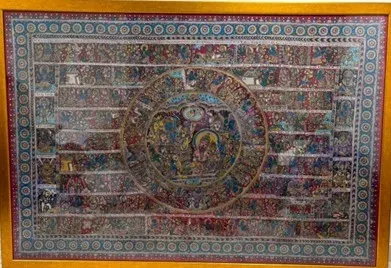
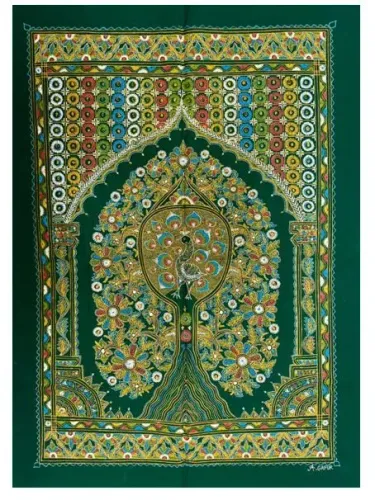
Dutch Prime Minister Rob Jetten received a Madhubani painting featuring a fish motif, drawn from the folk-art tradition of the Mithila region of India and Nepal. Madhubani art — traditionally practised by women — is rooted in Indian mythology and cultural ritual, depicting themes from nature, deities and daily life through motifs including fish, birds, flowers and trees.
The fish motif carries layered symbolism: it represents fertility, prosperity, harmony and ecological balance. The selection also drew a thematic parallel with the Fish Migration River at the Afsluitdijk in the Netherlands, a project that restores natural aquatic pathways and supports biodiversity — connecting Indian artistic tradition to Dutch environmental values.
Cultural Diplomacy Through Craft
Taken together, the gifts reflect a deliberate exercise in cultural diplomacy. Each piece bridges Indian artistic legacy with a specific aspect of Dutch identity — ceramic heritage, royal symbolism, and environmental stewardship. Notably, all three crafts — Blue Pottery, Kundan-Meenakari jewellery, and Madhubani art — are deeply rooted in the northern Indian belt of Rajasthan and Bihar-Nepal's Mithila region, spotlighting India's artisan communities on a global stage.
The visit and its accompanying gestures signal the depth of the India-Netherlands bilateral relationship, with shared values of sustainability and cross-cultural appreciation at the fore. How these cultural exchanges translate into broader diplomatic and trade outcomes will be watched in the months ahead.
Point of View
And Modi's Netherlands selection was unusually precise. The colour-coded jewellery for Queen Maxima, the Delft Blue echo in Jaipur pottery, and the Madhubani fish tied to a Dutch river project suggest a briefing team that did its homework. What often goes unnoticed is that this kind of soft-power curation also serves domestic artisan communities — GI-tagged crafts gifted at state visits generate export visibility that no trade fair can replicate. The question is whether these moments translate into sustained policy support for the craftspeople behind them.
NationPress
13 Oct 2026
Frequently Asked Questions
What gifts did PM Modi present during his State Visit to the Netherlands?
PM Modi presented three gifts: a GI-tagged Blue Pottery piece from Jaipur to King Willem-Alexander, Meenakari and Kundan earrings to Queen Maxima, and a Madhubani painting featuring a fish motif to Dutch Prime Minister Rob Jetten. Each gift was chosen to reflect a specific Indian craft tradition while carrying symbolic relevance to Dutch culture.
Why was Blue Pottery chosen as a gift for the Dutch King?
Blue Pottery from Jaipur was selected for King Willem-Alexander because its cobalt-blue aesthetic closely parallels the Netherlands' own Delft Blue pottery tradition, symbolising a shared heritage of fine ceramic artistry. It is also a GI-tagged craft, underscoring its authenticity as a regional Indian art form.
What is the significance of the colours in the jewellery gifted to Queen Maxima?
The Meenakari and Kundan earrings gifted to Queen Maxima were crafted in orange and blue — orange representing the Dutch Royal House of Orange-Nassau and national pride, and blue evoking the Netherlands' deep historical relationship with water. The colour choice was a deliberate act of cultural acknowledgement.
What does the Madhubani fish motif gifted to Dutch PM Rob Jetten symbolise?
The fish motif in Madhubani art represents fertility, prosperity, harmony and ecological balance. Its selection for Dutch PM Rob Jetten also drew a parallel with the Fish Migration River at the Afsluitdijk in the Netherlands, a project that restores natural aquatic pathways — connecting Indian artistic tradition to Dutch environmental values.
What is Madhubani art and where does it originate?
Madhubani art is a folk-art tradition from the Mithila region of India and Nepal, traditionally practised by women and rooted in Indian mythology and cultural ritual. It is characterised by intricate patterns and vivid colours, depicting themes from nature, deities and daily life through motifs such as fish, birds, flowers and trees.