Parliament Monsoon Session Day 1 lost to disruptions, costs taxpayers ₹2.5 lakh per minute
Synopsis
India's Parliament couldn't get through a single productive minute on the first day of the Monsoon Session — and every wasted minute reportedly costs taxpayers ₹2.5 lakh. With both Houses adjourning in chaos and fewer than half of MPs maintaining full attendance records, the disruption is less a protest tactic and more a structural crisis in Indian legislative democracy.
Key Takeaways
Day one of Parliament's Monsoon Session on 20 July was entirely lost to Opposition disruptions and repeated adjournments.
Running Parliament costs an estimated ₹2.5 lakh per active minute , covering buildings, staff, security, and MP allowances.
MPs receive a daily allowance of ₹2,500 , a monthly salary of ₹1.24 lakh , plus constituency and office allowances totalling ₹1.30 lakh per month.
During the 2025 Monsoon Session and 2026 Winter Session , both Houses functioned at less than 50% of scheduled time.
Fewer than half of all MPs attended 90–100% of sittings, according to a recent study of Parliamentary website data.
Prolonged disruptions force Bills through without scrutiny and deny the Opposition its platform to question the government — a loss for both sides.
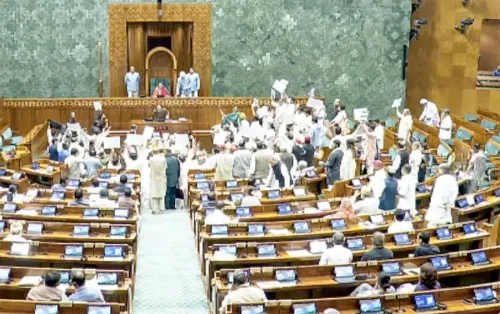
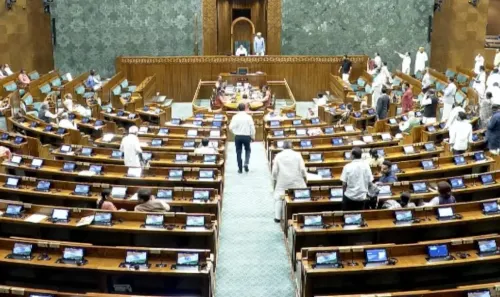
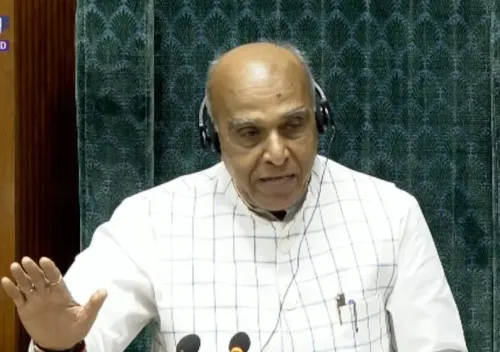
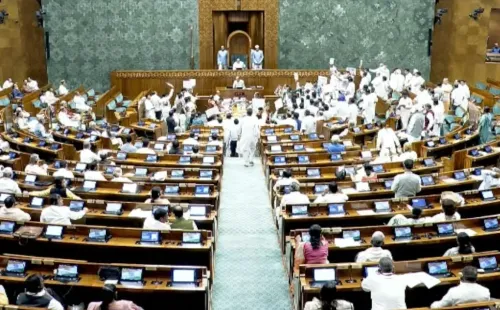
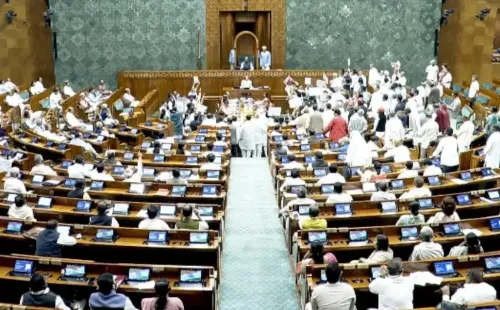
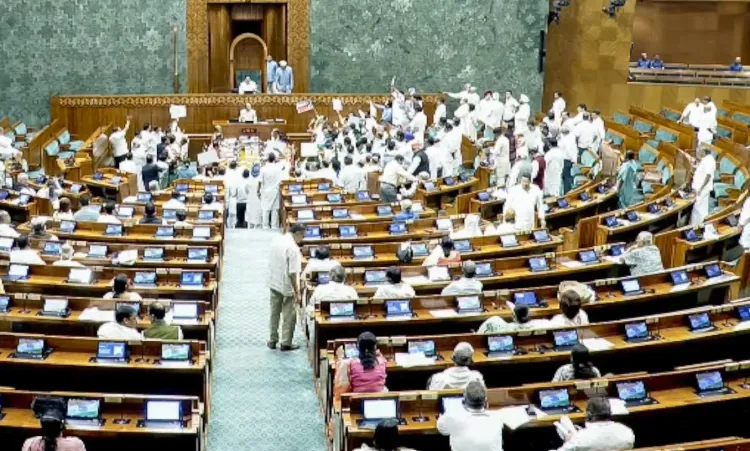
Day one of Parliament's Monsoon Session on Monday, 20 July was consumed by chaos, with Opposition members disrupting proceedings in both Houses, ignoring repeated appeals from presiding officers to restore order. The session ended in a series of adjournments, with no substantive legislative business transacted — at an estimated cost of ₹2.5 lakh per active minute to the public exchequer.
The Cost of Chaos
According to available estimates, running Parliament costs approximately ₹2.5 lakh per minute, a figure that reportedly covers legislature building maintenance, staff salaries, security, logistics, and Members of Parliament's daily allowances. MPs currently draw a daily allowance of ₹2,500, effective 1 April 2023, over and above a monthly salary of ₹1.24 lakh, a constituency allowance of ₹70,000, and an office allowance of ₹60,000.
Post-retirement, MPs are entitled to a pension of ₹31,000 per month, with an additional ₹2,500 for each year of service beyond the stipulated term. During their tenure, they also receive annual allowances for phone and internet usage, 34 free domestic flights per year for themselves and their families, first-class train travel at any time, and a mileage allowance for road journeys. Additionally, MPs are entitled to 50,000 free units of electricity and 4,000 kilolitres of water annually, along with government-provided housing or a monthly housing allowance for those who opt out.
A Decade of Declining Productivity
The disruption on day one is not an isolated incident. During earlier sessions — including the 2025 Monsoon Session and the 2026 Winter Session — both the Lok Sabha and Rajya Sabha reportedly functioned at less than 50 per cent of their scheduled time. Over the past decade, repeated walkouts, protests, and forced adjournments have collectively resulted in an estimated loss of thousands of crores in taxpayer money.
A recent study based on data from the websites of both Houses found that fewer than half of all members had attended between 90–100 per cent of sittings or signed the attendance register — even as pay and perks continued uninterrupted through adjournments.
Legislative Fallout
When Parliament fails to function, the consequences extend beyond wasted money. Critics argue that critical Bills and national security debates are routinely deferred or rushed through without adequate scrutiny or standing committee review — a pattern that, they contend, undermines the constitutional mandate of the legislature as the primary forum for resolving complex national issues.
Parliamentary rules provide established mechanisms for urgent debates. Yet, rather than using these provisions, protesting members have frequently resorted to trooping into the Well of the House, approaching the Chair, raising slogans, and displaying banners. Presiding Officers have historically struggled to maintain balance, with physical removals and suspensions sometimes deepening the confrontation rather than resolving it.
What Is at Stake
Historically, Parliamentary disruption was considered a tool of last resort for the Opposition to hold a reluctant treasury bench accountable. Over the last decade, however, it has reportedly become the default mode of operation. The result is a lose-lose outcome: the government is denied critical legislative clearances, and the Opposition forfeits its most powerful platform to extract meaningful answers on issues of national concern.
Voters — who fund the entire Parliamentary ecosystem through taxes — expect their representatives to deliberate on national security, economic policy, education, and healthcare. With the Monsoon Session having stumbled on its very first day, all eyes are now on whether the Houses can recover and deliver a productive legislative calendar in the weeks ahead.
Point of View
But the deeper cost is institutional. When disruption becomes the default rather than the exception, Parliament ceases to function as a check on executive power — and the Opposition, ironically, is the biggest loser. Bills get passed by ordinance or without committee review, accountability questions go unanswered, and the ruling dispensation is handed a convenient excuse to bypass scrutiny. A decade of declining Parliamentary productivity is not a partisan failure; it is a systemic one, and neither side has shown the appetite to fix it.
NationPress
20 Oct 2026
Frequently Asked Questions
What happened on day one of Parliament's Monsoon Session 2026?
Day one of the Monsoon Session on 20 July was entirely disrupted by Opposition members in both the Lok Sabha and Rajya Sabha, with presiding officers unable to restore order. The Houses adjourned repeatedly without transacting any legislative business.
How much does Parliamentary disruption cost taxpayers?
Running Parliament costs an estimated ₹2.5 lakh per active minute, according to available estimates. This covers building maintenance, staff, security, logistics, and MPs' daily allowances, meaning even a single wasted session day runs into crores of rupees.
What salary and perks do Indian MPs receive?
MPs draw a monthly salary of ₹1.24 lakh, a constituency allowance of ₹70,000, and an office allowance of ₹60,000, plus a daily allowance of ₹2,500. They also receive 34 free domestic flights per year, first-class train travel, 50,000 free electricity units, 4,000 kilolitres of water annually, and government housing or a housing allowance.
How productive has Parliament been in recent sessions?
Both the 2025 Monsoon Session and the 2026 Winter Session saw the Lok Sabha and Rajya Sabha function at less than 50% of their scheduled time. A recent study also found that fewer than half of all MPs attended 90–100% of sittings.
Why does Parliamentary disruption matter beyond the immediate chaos?
When Parliament cannot function normally, critical Bills are often rushed through without standing committee review or adequate debate, and the Opposition loses its most effective platform to question the government. Critics argue this undermines the constitutional role of the legislature as India's primary forum for national deliberation.