MP Cabinet clears ₹1,547 crore dairy push, ₹41,000 crore state package
Synopsis
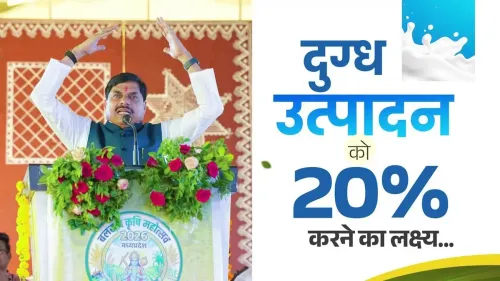
The Madhya Pradesh Cabinet has committed ₹1,547 crore specifically to dairy processing capacity — part of a ₹2,973 crore animal husbandry package and a broader ₹41,000 crore state development push. The plan to expand milk cooperative coverage from 7,331 to 26,000 villages in five years is one of the most ambitious dairy restructurings any central Indian state has announced, and it carries the clear imprint of Union Minister Amit Shah's cooperative expansion agenda.
Key Takeaways
The Madhya Pradesh Cabinet approved a ₹41,000 crore development package on 1 September , chaired by CM Mohan Yadav . ₹29,619 crore was cleared for the VB Ram Ji Yojana infrastructure scheme. ₹2,973 crore sanctioned for animal husbandry and dairy; ₹1,547 crore earmarked specifically for dairy processing capacity.
Cooperative milk society network to expand from 7,331 to 26,000 villages over five years .
Daily milk collection target rises from 1.2 million kg to 5.2 million kg ; processing capacity from 1.78 million litres to 6.33 million litres .
Milk packet sales targeted to grow from 7 lakh litres to 35 lakh litres per day .
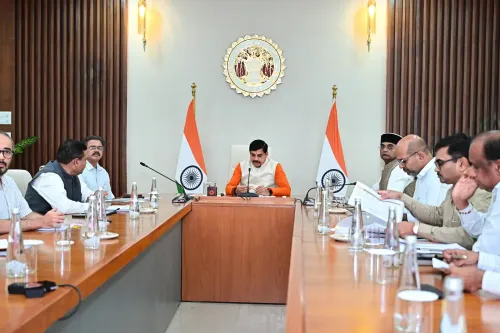
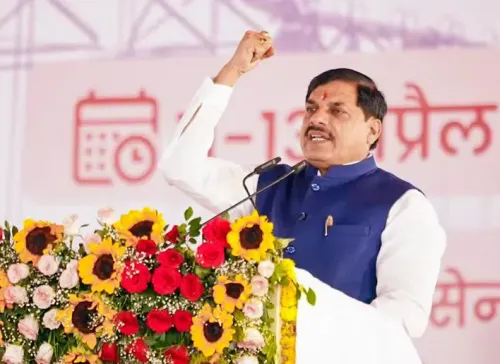
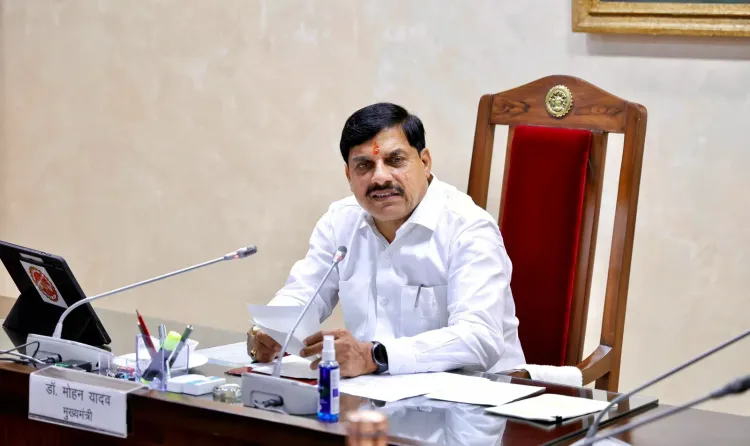
The Madhya Pradesh Cabinet, chaired by Chief Minister Mohan Yadav, on Tuesday, 1 September approved a comprehensive development package of approximately ₹41,000 crore, covering large-scale infrastructure investment and a significant expansion of the state's dairy sector. The decisions signal a dual focus on rural livelihoods and physical infrastructure as the state heads into the next planning cycle.
Key Allocations Approved
Public Works Department Minister Rakesh Singh, who briefed reporters after the Cabinet meeting, said the approvals include ₹29,619 crore for the implementation of the VB Ram Ji Yojana. A separate allocation of ₹2,973 crore has been sanctioned for the animal husbandry and dairy sector, of which ₹1,547 crore is specifically earmarked to enhance processing capacity for various dairy products.
'This is a significant step for the production of various dairy products,' Singh said.
Dairy Sector: Scale of Expansion
Under the Dairy Development Scheme, the government has decided to expand the cooperative milk society network from the present 7,331 villages to 26,000 villages over the next five years. Milk collection is to be scaled up from the current 1.2 million kilograms to 5.2 million kilograms per day — more than a fourfold increase.
Processing capacity will also be raised from 1.78 million litres to 6.33 million litres per day, while milk packet sales are targeted to grow from 7 lakh litres to 35 lakh litres per day. The expansion, if achieved, would make Madhya Pradesh one of the larger dairy processing states in central India.
Centre's Push Behind the Move
The dairy expansion aligns with directions from Union Cooperative and Home Minister Amit Shah, who had previously advised the Madhya Pradesh government to augment milk production by increasing the number of milk cooperatives in mission mode. The Cabinet's decisions appear to operationalise that directive at scale.
Impact on Rural Communities
Minister Singh underlined that the measures are expected to substantially strengthen the dairy sector, benefit milk producers across the state, and create new livelihood opportunities in rural areas. He described the decisions as part of a broader effort to ensure balanced development and improve income prospects for farmers and dairy farmers in Madhya Pradesh.
This comes amid a national push to replicate the success of Gujarat's cooperative dairy model — anchored by Amul — in other states. Madhya Pradesh's five-year roadmap, if executed on schedule, would represent one of the more ambitious state-level dairy restructurings in recent years. Implementation timelines and independent monitoring mechanisms have not yet been detailed publicly.
Point of View
000 crore — is large enough to generate attention, but the more consequential figure is the dairy allocation. Expanding cooperative coverage from 7,331 to 26,000 villages is a structural ambition that most states have announced and few have delivered. The Amit Shah connection is notable: this is not just a state budget decision but an extension of the Centre's cooperative-sector politics, which has seen the Union Home Minister take an unusually direct role in dairy policy nationwide. The real question is execution — specifically, whether the cooperative expansion is backed by veterinary infrastructure, cold-chain logistics, and procurement price guarantees that make membership worthwhile for small producers. Without those, the village count rises but the milk does not.
NationPress
17 Oct 2026
Frequently Asked Questions
What did the Madhya Pradesh Cabinet approve on 1 September?
The Madhya Pradesh Cabinet approved a comprehensive development package of approximately ₹41,000 crore on 1 September, covering infrastructure investment under the VB Ram Ji Yojana and a major expansion of the state's dairy sector. The decisions were announced by Public Works Department Minister Rakesh Singh after the Cabinet meeting chaired by Chief Minister Mohan Yadav.
How much has been allocated for the dairy sector in Madhya Pradesh?
A total of ₹2,973 crore has been sanctioned for the animal husbandry and dairy sector, of which ₹1,547 crore is specifically earmarked to enhance dairy processing capacity. The funds are intended to support the expansion of cooperative milk societies and increase milk collection, processing, and retail distribution across the state.
What is the target for milk cooperative expansion in Madhya Pradesh?
Under the Dairy Development Scheme, the government plans to expand the cooperative milk society network from the current 7,331 villages to 26,000 villages over the next five years. Daily milk collection is targeted to rise from 1.2 million kilograms to 5.2 million kilograms.
What is the VB Ram Ji Yojana and how much has been allocated to it?
The VB Ram Ji Yojana is an infrastructure scheme for which the Madhya Pradesh Cabinet has approved ₹29,619 crore. Further details on the scheme's scope and implementation timeline were not specified in the Cabinet briefing.
Who will benefit from the dairy expansion decisions?
Milk producers and dairy farmers across Madhya Pradesh are the primary beneficiaries, along with rural communities where new cooperative milk societies will be established. The government expects the expansion to create new livelihood opportunities and strengthen the agricultural economy in rural areas.