MP High Court allows appeal in 2017 pangolin smuggling case

Synopsis
The Madhya Pradesh High Court has cleared the state to appeal mass acquittals in a 2017 Sagar case of alleged pangolin and red-crowned roof turtle smuggling. The CBI will join as an intervenor. A division bench will hear the matter from 21 December 2026, reopening a file that collapsed after a Sessions Court reversal.
Key Takeaways
The Madhya Pradesh High Court has allowed the state to appeal acquittals in a 2017 pangolin and red-crowned roof turtle smuggling case.
The appeal ( MCRC No.
60275/2021 ) will be listed before a division bench in the week commencing 21 December 2026 .
The MPSTSF registered the forest offence in Sagar on 5 May 2017 ; about 300 grams of pangolin scales were recovered from Nandlal's residence.
The CJM, Sagar, convicted the accused on 19 July 2021 ; the Sessions Court on 27 November 2021 acquitted most and cut some sentences from seven years to four .
The CBI Economic Offences-II branch has been allowed to join as an intervenor after registering RC-2202023E0019 .
Records are to move from the CJM, Sagar, to the CJM court in Bhopal for absconding accused and further investigation.
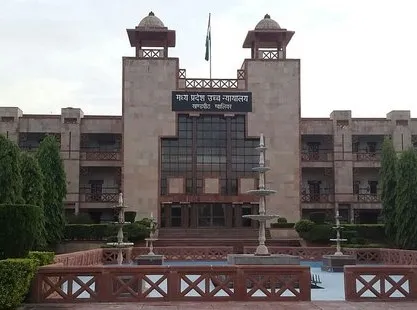
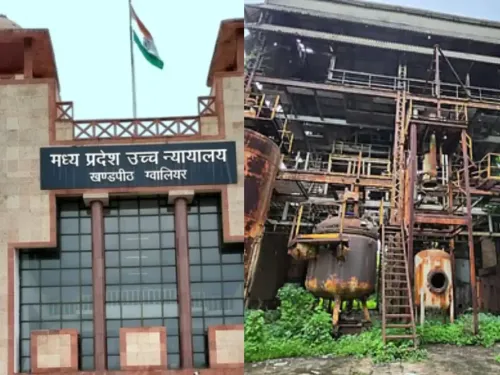
The Madhya Pradesh High Court has allowed the state government to appeal against the acquittal of most accused in a 2017 case involving the alleged international smuggling of rare pangolins and red-crowned roof turtles. In an order dated 2 November, the High Court at Jabalpur accepted the state's application (MCRC No. 60275/2021) and directed that it be registered as a criminal appeal, to be listed before a division bench in the week commencing 21 December 2026.
How the Sagar wildlife case began
The Madhya Pradesh Special Tiger Strike Force (MPSTSF) registered a forest offence in Sagar on 5 May 2017 after allegations of illegal possession, transportation and smuggling of protected wildlife species, particularly pangolins and red-crowned roof turtles. Both are among India's most tightly protected fauna under the Wildlife (Protection) Act, and pangolin scales have long featured in trafficking networks that move animal parts from central Indian forests toward export markets.
During the investigation, around 300 grams of pangolin scales were recovered from the residence of Nandlal at the instance of an accused, Azad. Authorised forest officers also recorded statements of the accused under Sections 50(8) and 50(9) of the Wildlife Protection Act. Preliminary findings, according to the state government, indicated the involvement of an organised gang engaged in the illegal collection, trade and transportation of protected and regulated wildlife species, including turtles.
The state government said in its statement: ‘The gang intended to smuggle these wildlife species out of India for export.’ That alleged cross-border intent is what lifted the Sagar seizure from a local forest offence into a case with international trafficking implications — and later drew in the Central Bureau of Investigation (CBI).
Conviction, then acquittal at Sagar
The Chief Judicial Magistrate, Sagar, convicted the accused on 19 July 2021. On 27 November 2021, however, the District and Sessions Court, Sagar, acquitted most of them and reduced the sentences of some others from seven years to four years.
The state government subsequently approached the High Court seeking permission to challenge that decision. Wildlife prosecutions in India are frequently tested at the first appellate stage over investigation procedure, statements recorded by forest officers, and the chain of custody of seized animal parts. The Sagar reversal followed that familiar path from a magistrate-level conviction to a sessions-stage collapse of most charges.
What the High Court has now ordered
Besides converting the state's application into a criminal appeal, the High Court directed the transfer of certified copies of original records and documents available with the CJM, Sagar, to the CJM's court in Bhopal for proceedings against absconding accused and for further investigation. That split keeps an appellate track in Jabalpur and a continuing process in Bhopal against those still at large.
The High Court also allowed applications filed by the CBI's Economic Offences-II branch, New Delhi, and permitted the agency to participate in the proceedings as an intervenor. The CBI had earlier taken over the investigation into the same incident and registered a case under RC-2202023E0019. The agency's entry, years after the original forest case, underlines how wildlife trafficking files often migrate from state forest forces to a central agency once organised or cross-border links become clearer.
Why the case still matters
Pangolins remain among the most trafficked mammals in Asia, and the red-crowned roof turtle is a critically endangered freshwater species whose illegal collection for trade has been a persistent conservation concern. A 2017 seizure that produced a 2021 conviction, a same-year acquittal of most accused, a later CBI takeover, and a High Court appeal listed only in late 2026 shows how slowly wildlife crime cases can move — and how often they unravel between the trial court and the first appeal.
This comes amid a broader pattern in which state forest forces detect consignments, but organised networks, absconding accused and evidentiary gaps weaken outcomes. The state's decision to persist, and the CBI's request to intervene, suggest investigators still view the file as an export-oriented syndicate rather than an isolated possession case.
What happens next
The criminal appeal is to be listed before the appropriate division bench of the Madhya Pradesh High Court during the week commencing 21 December 2026. Parallel proceedings against absconding accused will continue before the CJM in Bhopal, with records moved from Sagar. The CBI, as intervenor, can now participate in the High Court appeal even as its own registered case proceeds.
How the division bench treats the Sessions Court's acquittals — and whether the alleged export conspiracy can be reconstructed on the existing record — will decide whether this long-running wildlife trafficking file yields a durable conviction or remains another collapsed prosecution in India's fight against the illegal wildlife trade.
Point of View
And that distinction matters. India's wildlife courts still lose too many organised-trafficking prosecutions between the magistrate and the sessions stage, often on procedure rather than on whether a syndicate existed. The CBI's late entry as an intervenor is an admission that a state forest-force file was never going to carry an alleged export conspiracy on its own. If the division bench does not insist on a tighter standard around recovery, chain of custody and the absconders still at large, this 2017 pangolin-and-turtle case will join a long list of headline seizures that never produced a durable verdict.
NationPress
25 Nov 2026
Frequently Asked Questions
What did the Madhya Pradesh High Court decide in the pangolin smuggling case?
The Madhya Pradesh High Court has allowed the state government to appeal against the acquittal of most accused in a 2017 case of alleged pangolin and red-crowned roof turtle smuggling. It directed that the state's application, MCRC No. 60275/2021, be registered as a criminal appeal.
What was the 2017 Sagar wildlife case about?
The Madhya Pradesh Special Tiger Strike Force registered a forest offence in Sagar on 5 May 2017 over alleged illegal possession, transportation and smuggling of pangolins and red-crowned roof turtles. About 300 grams of pangolin scales were recovered from Nandlal's residence at the instance of an accused named Azad, and the state said the gang intended to smuggle the species out of India for export.
Why were most of the accused acquitted?
The Chief Judicial Magistrate, Sagar, convicted the accused on 19 July 2021, but the District and Sessions Court, Sagar, on 27 November 2021 acquitted most of them and reduced some sentences from seven years to four years. The state then sought High Court permission to challenge that decision.
What is the CBI's role in the case?
The High Court has allowed the CBI's Economic Offences-II branch, New Delhi, to participate in the appeal as an intervenor. The CBI had earlier taken over the investigation into the same incident and registered a case under RC-2202023E0019.
When will the High Court hear the state's appeal?
The criminal appeal is to be listed before the appropriate division bench of the Madhya Pradesh High Court during the week commencing 21 December 2026. Records are also being transferred from the CJM, Sagar, to the CJM court in Bhopal for proceedings against absconding accused and further investigation.