Madhya Pradesh High Court to Start Hearings on Bhojshala-Kamal Maula Mosque Dispute from April 6
Synopsis
The Madhya Pradesh High Court has set April 6 for regular hearings in the Bhojshala Temple-Kamal Maula Mosque case, a significant religious dispute impacting communal harmony and heritage preservation.
Key Takeaways
Regular hearings in the Bhojshala-Kamal Maula dispute will start on April 6.
The site is protected by the ASI and holds significant cultural importance.
The court will address objections raised by both communities.
The outcome may impact communal harmony and heritage preservation efforts.
Both Hindu and Muslim practices are currently accommodated at the site.
Indore, April 2 (NationPress) The Madhya Pradesh High Court has scheduled April 6 to initiate comprehensive regular hearings regarding the enduring Bhojshala Temple-Kamal Maula Mosque conflict in Dhar district.
On Thursday, the division bench, anticipating a time constraint as it was set to convene until 1:30 p.m., could not delve deeply into the matter.
A division bench led by Justice Vijay Kumar Shukla and Justice Alok Awasthi has issued an order stating, “We are fixing all matters for hearing, which will start from April 6, 2026, at 2:30 p.m.”
Previously, on March 16, the bench opted to conduct a personal inspection of the disputed location. The Maulana Kamaluddin Welfare Society appealed to the Supreme Court for the presentation of video footage and photographs from the survey. On April 1, the Supreme Court acknowledged that it trusts the High Court to appropriately consider all objections raised by the involved parties, including those noted during the ASI videography.
With regular hearings commencing next week, the court is anticipated to scrutinize the ASI findings, objections from the parties, and subsequently determine the next steps in this prolonged dispute.
This development is being monitored closely throughout the state due to its implications for communal harmony and the preservation of heritage.
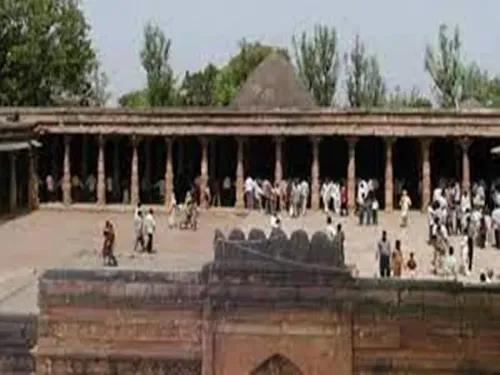
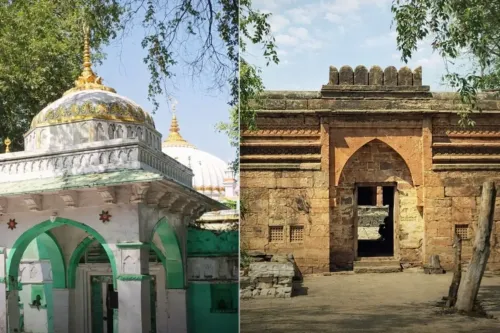
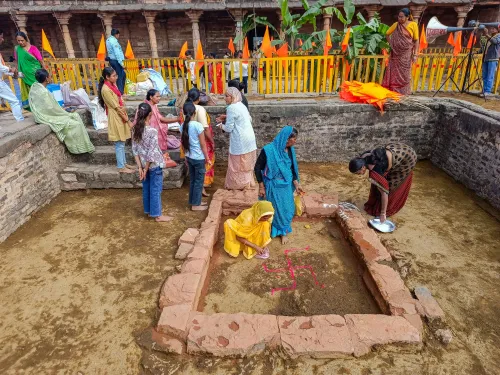
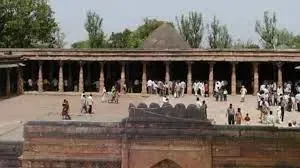
The monument, dating back to the 11th century and safeguarded by the Archaeological Survey of India (ASI), lies at the heart of a sensitive religious contention. Hindus perceive Bhojshala as an ancient temple dedicated to Goddess Vagdevi (Saraswati), whereas the Muslim community regards it as the Kamal Maula Mosque.
Since 2003, the ASI has implemented an arrangement allowing Hindus to conduct a 'puja' on Tuesdays, while Muslims can offer namaz on Fridays.
In a notable advancement, the High Court on March 11, 2024, directed the ASI to execute a thorough scientific survey utilizing modern methodologies to determine the true nature of the site.
This survey is to be conducted by a committee of at least five senior ASI officials, along with detailed photography and evaluation of locked or sealed areas within the complex.
On April 1, 2024, the Supreme Court approved the survey but imposed limitations, instructing that no physical excavation altering the character of the site should occur and that no actions based on the survey findings could proceed without prior approval.
In January 2026, the Supreme Court resolved related matters and authorized the release of the sealed ASI report to all parties involved. The High Court then requested all stakeholders to present their objections and recommendations regarding the survey report.
Point of View
The ongoing legal proceedings surrounding the Bhojshala Temple and Kamal Maula Mosque illustrate the complex interplay between heritage preservation and communal sentiments. The High Court's decision to initiate regular hearings aims to address the long-standing disputes, while the implications of these proceedings will likely resonate far beyond the local context.
NationPress
7 Oct 2026
Frequently Asked Questions
What is the Bhojshala-Kamal Maula dispute about?
The dispute centers around the historical site that is regarded as both the Bhojshala Temple by Hindus and the Kamal Maula Mosque by Muslims.
When will the hearings begin?
The Madhya Pradesh High Court has scheduled the hearings to commence on April 6, 2026.
What is the significance of the site?
The site is an 11th-century monument, recognized by the Archaeological Survey of India, and is a focal point of religious sentiment for both Hindus and Muslims.
How has the ASI been involved?
The Archaeological Survey of India has conducted surveys and maintains an arrangement allowing religious practices for both communities at the site.
What are the implications of the court's decision?
The court's decision to hold hearings is significant for communal harmony and the preservation of heritage, as it could determine the future management of the site.