What Will Happen in the Bhojshala-Kamal Maula Mosque Case at Indore HC Today?
Synopsis
As the Indore High Court prepares for a pivotal hearing in the Bhojshala-Kamal Maula Mosque case, the outcomes could reshape the historical narrative and future worship arrangements at this contested site. Join us as we delve into the implications of this age-old dispute.
Key Takeaways
Significant hearing at the Indore High Court regarding a long-standing dispute.
ASI survey findings to be presented for the first time.
Site contested by both Hindu and Muslim communities.
Historical significance tied to both religions .
Outcome could reshape future worship practices.
Bhopal/Indore, Feb 16 (NationPress) A significant hearing regarding the long-standing conflict surrounding the Bhojshala Temple-Kamal Maula Mosque Complex in Dhar is set to occur on Monday at the Indore Bench of the Madhya Pradesh High Court.
On this opening day, the comprehensive 98-day scientific survey report conducted by the Archaeological Survey of India (ASI) will be presented in court for the first time, with its findings being shared directly with representatives from both the Hindu and Muslim communities.
This hearing, mandated by the Supreme Court, will be presided over by a Division Bench consisting of Justice Vijay Kumar Shukla and Justice Alok Awasthi, with the case appearing as item number 62 on the agenda.
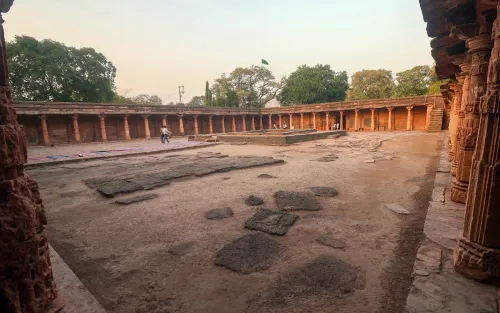
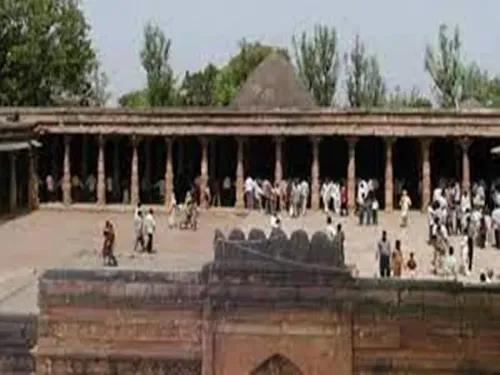
The complex, a recognized 11th-century monument documented by the ASI as the Bhojshala Temple-Kamal Maula Mosque Complex, stands at the center of competing religious claims.
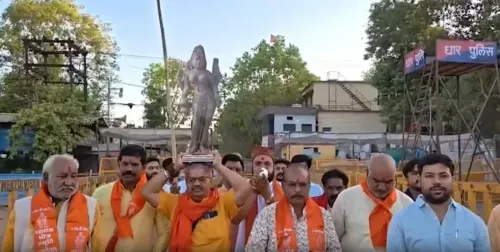
For the Hindu community, this site is revered as Bhojshala, a magnificent temple dedicated to Goddess Saraswati, established by King Bhoj of the Parmar dynasty. Historical proofs include elaborately carved pillars, inscriptions in Sanskrit and Prakrit, and narratives depicting it as a prominent center of Sanskrit scholarship and spiritual education during its time.
Conversely, the Muslim community views this complex as the Kamal Maula Mosque, rooted in centuries of continuous prayer rituals. Historical records indicate structural modifications made during the medieval era, with parts of the site showcasing prayer halls designed in the characteristic styles of Islamic architecture.
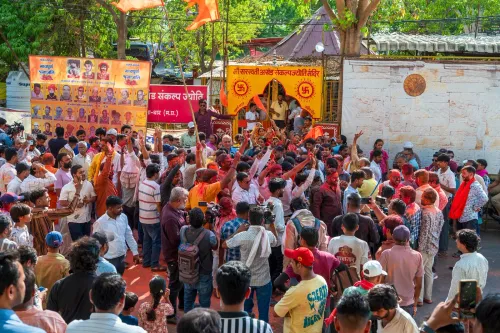
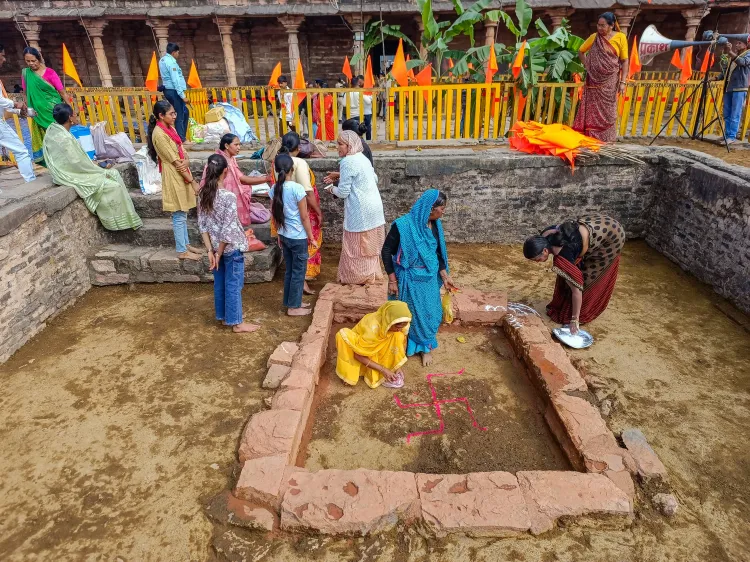
In recent decades, tensions have escalated, particularly during instances when the Hindu festival of Vasant Panchami coincides with Friday prayers.
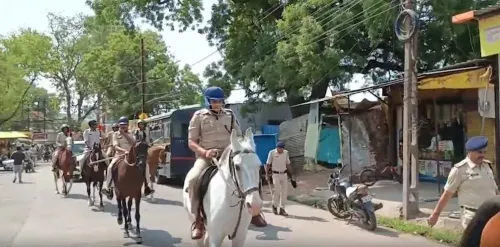
Local authorities have made consistent efforts to manage access and foster harmony between the two groups, yet the fundamental disagreement has persisted through ongoing legal battles.
The ASI survey, authorized by the High Court, included an exhaustive scientific analysis of the monument's architectural layers, inscriptions, construction methods, and other physical evidence.
The findings are anticipated to hold considerable significance in establishing the site's historical identity and informing future arrangements for worship and visitation.
This latest development in court occurs at a sensitive intersection of heritage, faith, and legal considerations.
The outcome of this hearing could mark a pivotal moment in the enduring Bhojshala controversy, potentially impacting not only daily practices at the Dhar site but also shaping the broader framework for addressing similar disputed heritage sites across India.
Point of View
I recognize the complexities surrounding the Bhojshala-Kamal Maula Mosque case. It’s essential to approach this issue with a commitment to fairness and understanding, acknowledging the historical and cultural significance of both communities involved. We must strive for a resolution that honors heritage while fostering communal harmony.
NationPress
16 Sept 2026
Frequently Asked Questions
What is the Bhojshala-Kamal Maula Mosque dispute?
The dispute centers around the Bhojshala Temple-Kamal Maula Mosque Complex in Dhar, which is claimed by both Hindu and Muslim communities, leading to ongoing legal battles and tensions.
What is the significance of the ASI survey?
The ASI survey provides a scientific analysis of the complex's historical and architectural significance, which is crucial in determining the site's identity and future use.
How does the Supreme Court factor into this case?
The Supreme Court has directed the proceedings, ensuring that the hearing addresses both historical claims and the need for communal harmony.
What could be the implications of the court’s decision?
The court's decision may redefine worship practices at the site and influence how similar heritage disputes are handled across India.
Why do tensions escalate during certain festivals?
Tensions often rise when Hindu festivals coincide with Islamic prayer times, highlighting the ongoing conflict over the site's use.