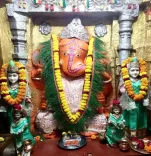
Bhojshala maha aarti set for Friday amid heavy security in Dhar
Synopsis
Days after the Madhya Pradesh High Court declared Bhojshala a Hindu temple and quashed a decades-old arrangement allowing Friday namaz, Dhar is under fortress-level security as Hindus perform the Mahaarti — while the Muslim community has moved the Supreme Court, setting up the next legal battle over one of India's most contested heritage sites.
Key Takeaways
The Mahaarti at Bhojshala complex in Dhar was scheduled for 22 May between 1 pm and 3 pm IST , under heavy police and CRPF deployment.
The Madhya Pradesh High Court on 15 May declared the site a Hindu temple dedicated to Goddess Saraswati , quashing the 2003 ASI order that allowed shared access.
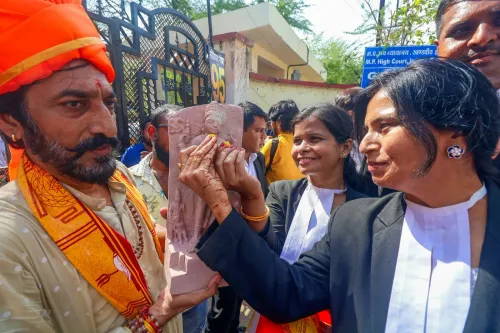
The Muslim community filed a special leave petition in the Supreme Court , calling the High Court order one-sided and citing 700 years of continuous namaz at the site.
A planned 'Shobha Yatra' procession was cancelled by organisers to maintain communal calm, according to Hindu Utsav Samiti patron Ashok Jain .
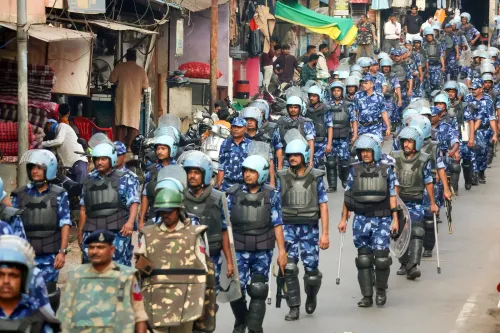
SP Sachin Sharma warned that any attempt to disturb the peace on Friday would draw a response 'stronger than they could imagine.' Security included units from the Rapid Action Force , Quick Reaction Force , and State Task Force deployed across Dhar .
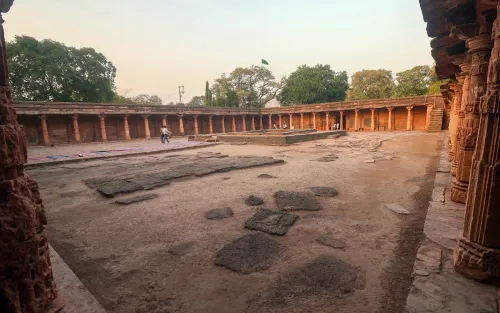
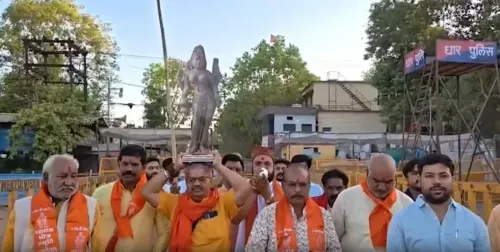
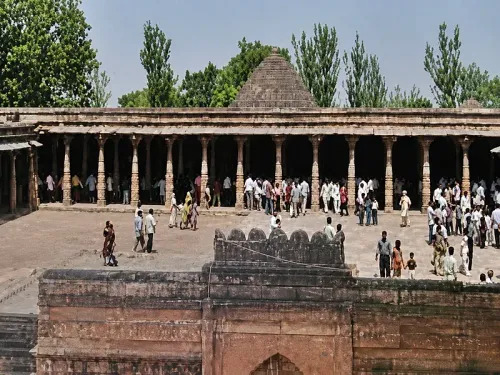
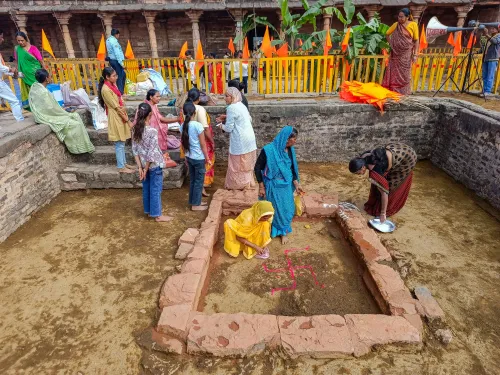
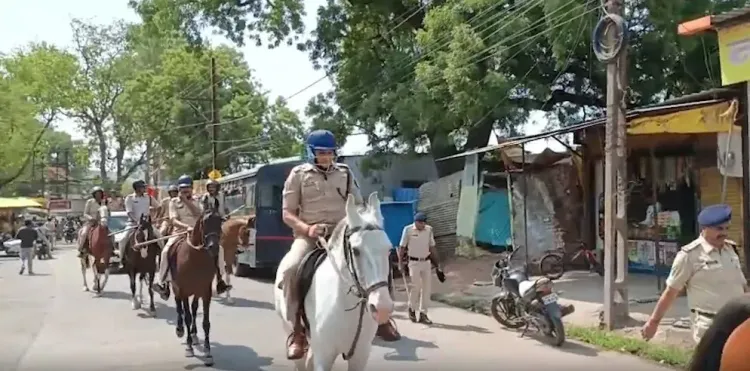
Heavy security blanketed Dhar in Madhya Pradesh on Friday, 22 May as members of the Hindu community prepared to perform the Mahaarti at the Bhojshala complex between 1 pm and 3 pm IST, following a landmark Madhya Pradesh High Court verdict that declared the disputed site a Hindu temple. Extensive deployment of police and Central Reserve Police Force (CRPF) personnel was put in place to ensure the event proceeded without incident.
Background of the Dispute
The Bhojshala complex has been at the heart of a long-running communal dispute. Hindus regard it as an ancient centre of Sanskrit learning established during the reign of Raja Bhoj of the Parmar dynasty in the 11th century, housing a temple dedicated to Vagdevi, or Goddess Saraswati. Muslims have traditionally referred to a portion of the site as the Kamal Maula Mosque and had been offering namaz there on Fridays for decades under a previous arrangement sanctioned by the Archaeological Survey of India (ASI) in 2003.
The High Court Verdict
The Indore bench of the Madhya Pradesh High Court delivered its verdict on 15 May, declaring the religious character of the disputed site as that of a Hindu temple. The court quashed the 2003 ASI order that had permitted restricted access for both communities, directing authorities to facilitate full worship rights for Hindus and suggesting that alternative land be identified for a mosque. The judgment drew on historical records, archaeological evidence, inscriptions, structural features linked to Raja Bhoj's era, and principles from the Supreme Court's Ayodhya verdict in reaching its conclusion.
Muslim Community's Legal Response
In response to the ruling, the Muslim community filed a special leave petition before the Supreme Court, describing the High Court order as one-sided and maintaining that namaz had been offered continuously at the site for the past 700 years. Some community leaders had initially announced plans to offer namaz on Friday but later stepped back, placing their faith in the judicial process at the apex court level.
Security Measures and Administration's Stand
Dhar Superintendent of Police Sachin Sharma, in a video message posted on his official X handle on 20 May, urged all citizens to strictly comply with the High Court's directives. 'All citizens shall strictly comply with the directives of the Hon'ble High Court regarding the Bhojshala complex. Avoid rumours, misleading, and inflammatory social media posts. Cooperate with the administration in maintaining peace, communal harmony, and law and order,' he said.
Sharma confirmed that only the puja permitted under the court's directions would be conducted at the premises. Security arrangements included units from the Rapid Action Force, Quick Reaction Force, and State Task Force, deployed both inside and outside the complex and across the city. He issued a stern warning that any attempt to disturb the atmosphere on Friday would meet a response 'stronger than they could imagine.'
The District Collector and local police conducted multiple peace committee meetings and organised flag marches and community interactions to reassure residents. Organisers had earlier planned a 'Shobha Yatra' procession but cancelled it to maintain calm, according to Ashok Jain, patron of the Hindu Utsav Samiti.
What to Watch Next
The Supreme Court is expected to take up the Muslim community's special leave petition in the coming days, making the apex court's response the next critical juncture in this long-running dispute. Both communities have indicated they will respect the legal framework while pursuing their respective positions through appropriate judicial channels. The verdict has drawn nationwide attention, and the situation in Dhar remains under close watch.
Point of View
But the underlying fault lines remain. The Muslim community's swift move to the Supreme Court suggests this is not a local matter: it is a test case for how India's courts handle sites where archaeology, religious continuity, and communal memory collide. The apex court's response will be watched as closely as the aarti itself.
NationPress
7 Oct 2026
Frequently Asked Questions
What is the Bhojshala complex in Dhar?
The Bhojshala complex in Dhar, Madhya Pradesh, is a heritage site that Hindus regard as an 11th-century centre of Sanskrit learning built by Raja Bhoj of the Parmar dynasty, housing a temple of Goddess Saraswati. Muslims have referred to a portion of the same site as the Kamal Maula Mosque and had been offering Friday namaz there under a 2003 ASI arrangement.
What did the Madhya Pradesh High Court rule about Bhojshala?
The Indore bench of the Madhya Pradesh High Court ruled on 15 May that the religious character of the Bhojshala complex is that of a Hindu temple. It quashed the 2003 ASI order permitting shared access and directed authorities to ensure full Hindu worship rights while suggesting alternative land for a mosque.
Why has the Muslim community approached the Supreme Court?
The Muslim community filed a special leave petition in the Supreme Court, describing the High Court verdict as one-sided and arguing that namaz had been offered at the site continuously for 700 years. Some leaders who had initially planned to offer Friday namaz stood down, choosing to await the apex court's response.
What security arrangements were made for the Mahaarti on 22 May?
Authorities deployed police, CRPF, Rapid Action Force, Quick Reaction Force, and State Task Force units inside and outside the Bhojshala complex and across Dhar city. The District Collector and police held multiple peace committee meetings, conducted flag marches, and SP Sachin Sharma issued a public warning against any attempt to disturb the peace.
Was the Shobha Yatra procession held alongside the Mahaarti?
No. Organisers cancelled the planned Shobha Yatra procession to maintain communal calm, according to Ashok Jain, patron of the Hindu Utsav Samiti. Devotees were expected to participate in the Mahaarti only, within the timeframe permitted by the High Court's directives.