Bhojshala opens for daily Hindu worship after MP High Court order
Synopsis
Decades of legal dispute gave way to devotion on Sunday as the Bhojshala complex in Dhar opened for unrestricted daily Hindu worship — the direct result of a Madhya Pradesh High Court ruling that overturned a 2003 ASI arrangement. The first rituals began at 6 am, with Vedic priests leading fire offerings inside a monument that the court has now recognised as an 11th-century Sanskrit learning centre and Goddess Vagdevi temple.
Key Takeaways
The Madhya Pradesh High Court recognised Bhojshala in Dhar as an 11th-century Sanskrit learning centre and temple of Goddess Vagdevi Saraswati .
The court quashed the 2003 ASI arrangement that restricted Hindu worship to Tuesdays and Muslim prayers to Fridays.
The ASI issued a fresh directive granting the Hindu community unrestricted daily access for worship and learning.
The first rituals began at 6:00 am on 17 May , led by Vedic priests with fire offerings and Vedic chanting.
Tight security was deployed across Dhar ; the state government has been asked to consider alternative land for the Muslim community.
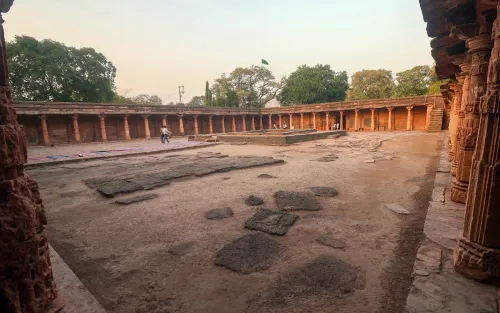
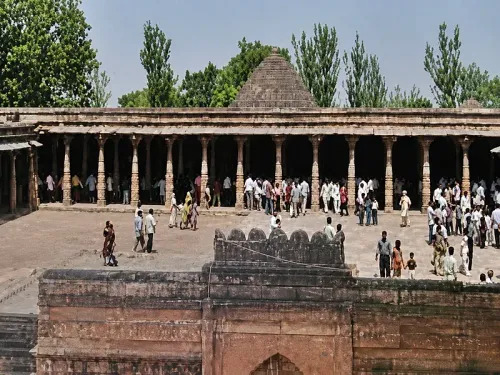
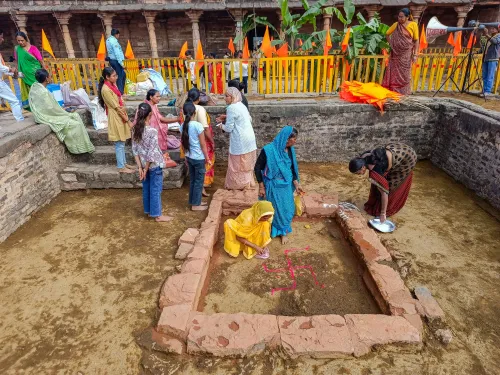
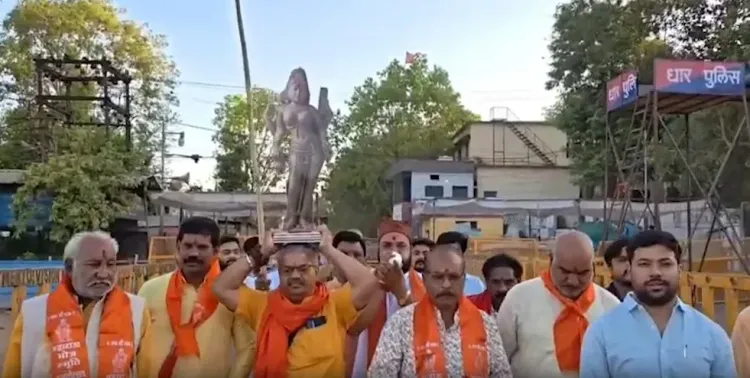
The Bhojshala complex in Dhar, Madhya Pradesh, witnessed its first day of unrestricted Hindu worship on Sunday, 17 May, as hundreds of devotees gathered to perform daily religious rituals following a landmark ruling by the Madhya Pradesh High Court that recognised the medieval structure as an 11th-century Sanskrit learning centre and a temple dedicated to Goddess Vagdevi Saraswati.
What the Court Ordered
The High Court quashed a 2003 arrangement by the Archaeological Survey of India (ASI) that had limited Hindu worship to Tuesdays and permitted Friday prayers for the Muslim community. In its ruling, the court formally recognised the Bhojshala-Kamal Maula Mosque structure as a site of Hindu religious and educational heritage. Acting on the judicial mandate, the ASI issued a fresh directive granting the Hindu community unrestricted access for daily worship and learning throughout the year.
How the Day Unfolded
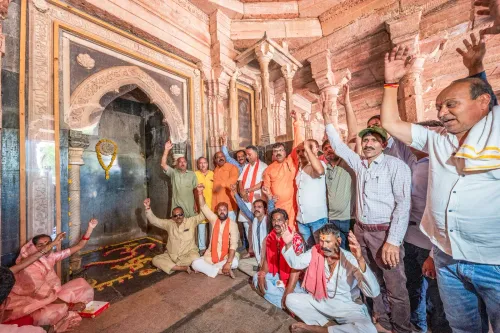
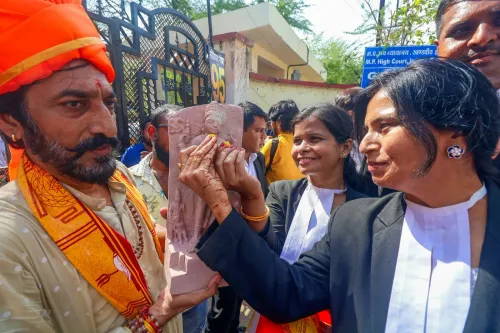
Religious ceremonies commenced at 6:00 am on Sunday, led by Vedic priests who conducted sacred fire offerings and elaborate prayers amid chanting of ancient mantras. Devotees entered the premises carrying a large symbolic image of Goddess Vagdevi, marking what many described as an emotional culmination of a legal and spiritual struggle spanning decades. The monument, originally built by King Bhoj of the Parmar dynasty, echoed with chants and slogans honouring both the historical monarch and the deity.
Community Response
Representatives of the Bhoj Utsav Samiti hailed the event as a cultural renaissance for the Sanatan tradition, describing it as a restoration of historical heritage. A significant turnout was also expected for the evening prayer session at 5:30 pm. The morning ceremony drew extensive participation from local residents and visitors from across the region.
Security and Administration
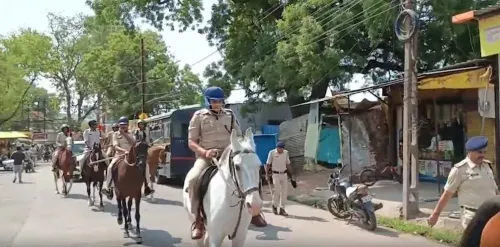
The district administration and local police remained on high alert, deploying tight security measures across Dhar to maintain peace and prevent the spread of misinformation. The ASI retains overall supervisory control of the monument for preservation purposes. The state government has separately been asked by the court to consider alternative land allocations for the Muslim community.
The developments at Bhojshala are being closely watched as a precedent in ongoing legal debates over disputed religious sites across India.
Point of View
And its framing as a 'Sanskrit learning centre' rather than a temple-versus-mosque binary is legally significant. The quashing of the 2003 ASI arrangement sets a precedent for how courts may approach similar shared-access arrangements elsewhere. What the coverage underplays is the court's directive to the state government to find alternative land for the Muslim community — an instruction whose feasibility and timeline remain entirely unresolved. The real test of this ruling's durability lies not in Sunday's rituals, but in whether that resettlement obligation is honoured.
NationPress
14 Sept 2026
Frequently Asked Questions
What did the Madhya Pradesh High Court rule on Bhojshala?
The Madhya Pradesh High Court ruled that the Bhojshala complex in Dhar is an 11th-century Sanskrit learning centre and a temple dedicated to Goddess Vagdevi Saraswati. It quashed a 2003 ASI arrangement that had limited Hindu worship to Tuesdays and Muslim prayers to Fridays, granting the Hindu community unrestricted daily access.
What is the historical significance of the Bhojshala complex?
Bhojshala was originally built by King Bhoj of the Parmar dynasty and is regarded as an ancient centre of Sanskrit learning. The structure has been disputed, with Hindus venerating it as a temple of Goddess Vagdevi Saraswati and the site also containing the Kamal Maula Mosque.
What happens to Muslim prayers at Bhojshala after the ruling?
The 2003 arrangement permitting Friday prayers for the Muslim community has been quashed by the court. The state government has been directed to consider alternative land allocations for the Muslim community, though the specifics and timeline of that process remain unresolved.
Who oversees the Bhojshala monument now?
The Archaeological Survey of India retains overall supervisory control of the Bhojshala monument for preservation purposes, even as the court has granted the Hindu community unrestricted access for worship and learning.
What security measures were put in place in Dhar?
The district administration and local police deployed tight security measures across Dhar on 17 May to maintain peace and prevent the spread of misinformation following the commencement of daily worship at Bhojshala.