MP High Court recognises Bhojshala as Hindu temple, scraps ASI namaz order
Synopsis
The Madhya Pradesh High Court has ended decades of legal dispute over Dhar's Bhojshala complex, declaring it a Hindu temple and scrapping the 2003 ASI compromise order that allowed Friday namaz. The court also directed the government to pursue the repatriation of a Goddess Saraswati idol from the British Museum — a directive that could open a new diplomatic front with the UK.
Key Takeaways
The Indore Bench of the Madhya Pradesh High Court recognised the Bhojshala complex in Dhar as a Hindu temple and property of King Bhoj on 15 May .
The court scrapped the ASI order of 7 April 2003 that had permitted the Muslim community to offer namaz at the site.
Petitions filed by both the Muslim side and the Jain community were dismissed; exclusive worship rights granted to Hindus.
The court suggested the government consider allocating alternative land for a mosque for the Muslim community.
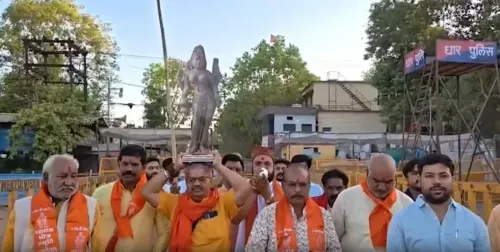
Authorities directed to pursue repatriation of the Goddess Saraswati idol currently at the British Museum, London .
1,200 police personnel were deployed in Dhar as the verdict coincided with Friday prayers .
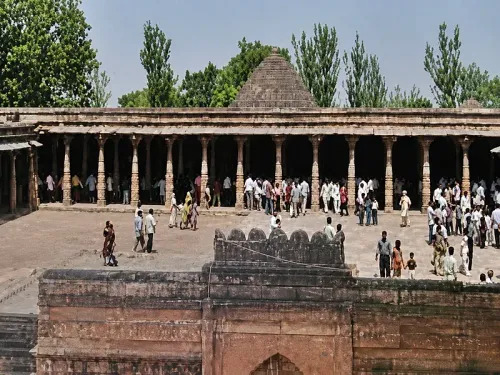
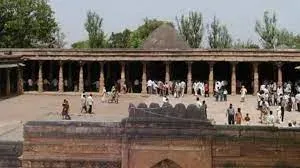
The Indore Bench of the Madhya Pradesh High Court on 15 May delivered a landmark verdict in the decades-old dispute over the Bhojshala-Kamal Maula Mosque complex in Dhar, formally recognising the site as a Hindu temple and the historical property of King Bhoj. The ruling grants exclusive worship rights to the Hindu side and nullifies the Archaeological Survey of India (ASI) order of 7 April 2003 that had permitted the Muslim community to offer namaz at the complex.
Key Developments in the Verdict
The court dismissed petitions filed by both the Muslim side and the Jain community, ruling that henceforth only Hindu religious worship shall be conducted at the Bhojshala complex. The ASI will retain administrative control over the management and upkeep of the site, but the right to perform religious rituals rests exclusively with the Hindu community.
In a notable gesture toward the Muslim community, the court suggested that the government consider allocating alternative land for a mosque, should the community wish to pursue that option.
What the Survey Report Established
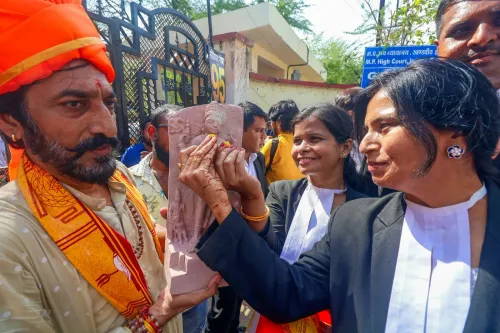
Advocate Vishnu Shankar Jain, who represented the Hindu front, stated that the court partially set aside previous administrative orders to prioritise the historical and architectural findings of a recent scientific survey. According to Jain, the court noted that the facts presented in the survey report were significant in establishing the original character of the site as a place of Hindu worship.
The verdict also carries a cross-border dimension: the court has directed the government to make formal diplomatic efforts to repatriate the ancient idol of Goddess Saraswati, currently housed at the British Museum in London. The statue was reportedly installed by King Bhoj of the Parmar dynasty between 1010 and 1055 AD, when the complex served as a prominent centre of learning.
Security on High Alert in Dhar
Anticipating the sensitivity of the ruling — which coincided with Friday prayers — the state administration deployed 1,200 police personnel specifically in Dhar town. District Collector Rajeev Ranjan Meena and senior officials maintained close oversight of the situation on the ground.
Authorities also placed strict surveillance on social media platforms to curb the spread of inflammatory content, appealing to citizens to maintain communal peace and disregard unverified rumours.
Historical and Legal Context
The Bhojshala complex has been at the centre of a prolonged and deeply contested legal dispute between Hindu and Muslim communities. The site holds significance for both groups — Hindus regard it as a temple dedicated to Goddess Saraswati built by the Parmar king, while Muslims have historically used a portion of the structure as a mosque. The 2003 ASI order had attempted a compromise by permitting Muslim prayers on Fridays and Hindu worship on Tuesdays, an arrangement that generated persistent legal challenges.
With this ruling, that arrangement has been comprehensively overturned. The verdict is expected to face further legal scrutiny, and its long-term implications for similar heritage-site disputes across India will be closely watched.
Point of View
Original-character determination, exclusive rights to one community — that mirrors the trajectory of the Ayodhya case. The court's suggestion of alternative land for a mosque, without mandating it, places the political burden squarely on the state government. What mainstream coverage may underplay is the repatriation directive: asking the British Museum to return an artefact is legally non-binding on the UK, but it sets a political precedent and could embolden similar demands for other objects of Indian heritage held abroad. The broader question — whether heritage-site disputes are best resolved through archaeology or through negotiated coexistence — remains unanswered by this verdict.
NationPress
30 Sept 2026
Frequently Asked Questions
What did the Madhya Pradesh High Court rule on Bhojshala?
The Indore Bench of the Madhya Pradesh High Court ruled on 15 May that the Bhojshala complex in Dhar is a Hindu temple and the historical property of King Bhoj. The court granted exclusive worship rights to the Hindu community and dismissed petitions from the Muslim and Jain sides.
What was the 2003 ASI order and why has it been set aside?
The Archaeological Survey of India's order of 7 April 2003 had allowed the Muslim community to offer namaz at the Bhojshala site on Fridays while permitting Hindu worship on Tuesdays — a compromise arrangement. The High Court has now fully revoked this order, ruling that the findings of a recent scientific survey establish the site's original character as a Hindu place of worship.
Will Muslims have any place to pray following the verdict?
The court has not mandated an alternative but has suggested that the government consider allocating separate land for a mosque if the Muslim community wishes to pursue that option. The suggestion is advisory, not a binding directive.
What is the significance of the Goddess Saraswati idol at the British Museum?
The court directed the government to make formal efforts to repatriate an ancient idol of Goddess Saraswati housed at the British Museum in London. The idol was reportedly installed by King Bhoj of the Parmar dynasty between 1010 and 1055 AD, when the Bhojshala complex functioned as a centre of learning.
What security measures were taken ahead of the verdict?
The state administration deployed 1,200 police personnel in Dhar town, with District Collector Rajeev Ranjan Meena and senior officials monitoring the situation. Authorities also placed strict surveillance on social media to prevent inflammatory content, particularly because the verdict was delivered on a Friday, coinciding with prayer time.