MP High Court grants Hindus worship rights at Bhojshala in Dhar
Synopsis
The Madhya Pradesh High Court has handed the Hindu side a sweeping win in the Bhojshala dispute, declaring the Dhar complex as belonging to Raja Bhoj and ending the shared-access arrangement that allowed Namaz at the site since 2003. The ruling also puts the Vagdevi idol repatriation from London on the government’s agenda — a demand that now carries judicial weight for the first time.
Key Takeaways
The MP High Court Indore bench on 15 May declared the Bhojshala complex in Dhar as belonging to Raja Bhoj and granted Hindus exclusive worship rights .
The court partially set aside the ASI order of 7 April 2003 that had allowed Namaz at the site.
The Muslim community may approach the state government for allotment of alternative land in Dhar district for a mosque.
The court directed the government to consider the repatriation of the Goddess Vagdevi idol currently housed in a London museum .
The petition was filed in 2022 by Ranjana Agnihotri and others on behalf of the Hindu Front for Justice .
The ASI conducted a 98-day scientific survey of the complex in 2024 ahead of the hearings.
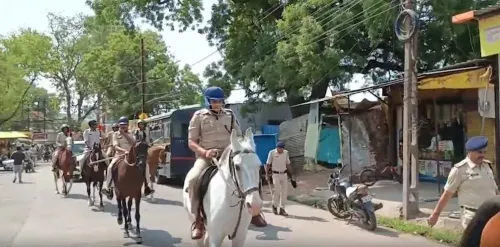
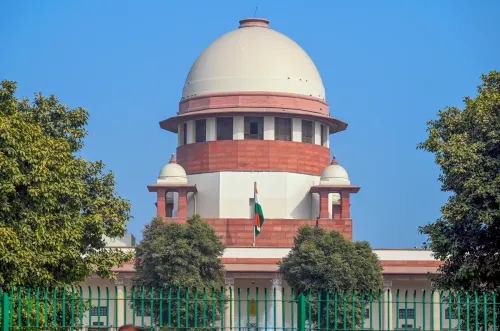
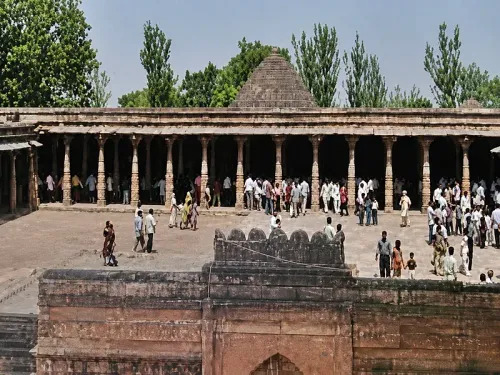
The Madhya Pradesh High Court's Indore bench on Friday, 15 May delivered a landmark ruling in the long-running Bhojshala Temple-Kamal Maula Mosque dispute in Dhar, declaring the contested complex as belonging to Raja Bhoj and granting Hindus the exclusive right to worship at the site. The verdict partially sets aside an Archaeological Survey of India (ASI) order dated 7 April 2003, which had previously governed shared access to the monument.
What the Court Ruled
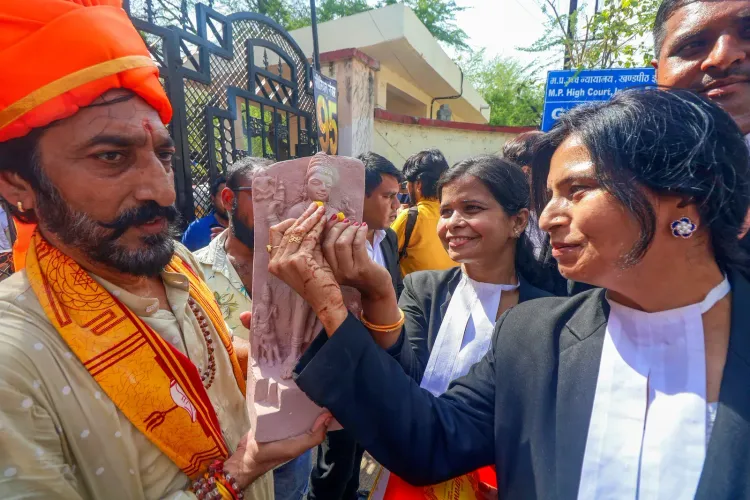
Advocate Vishnu Shankar Jain, who represented the Hindu side, described the judgment as “historic” while speaking to reporters outside the court. He said the bench has “completely set aside” the ASI’s earlier order that had granted the right to offer Namaz at the site. “Henceforth, only Hindu worship shall take place there,” Jain stated. The court also directed the government to oversee the management of the Bhojshala complex.
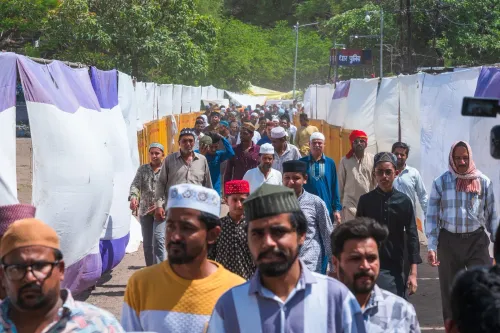
On the question of Muslim access, the court held that the Muslim community is free to approach the state government regarding the allotment of separate land in Dhar district for the construction of a mosque. The court also directed the government to consider allocating alternative land to the Muslim side.
The Vagdevi Idol Repatriation Demand
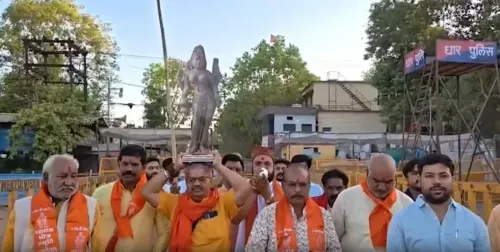
A key demand of the Hindu petitioners — the repatriation of the idol of Goddess Vagdevi, currently housed in a museum in London — was also addressed. The court directed the government to “consider this request,” while noting that the Muslim side remains free to present its own views to the government on the matter. No binding repatriation order was issued at this stage.
Background of the Dispute
The Bhojshala complex is an ASI-protected monument in Dhar district, Madhya Pradesh. Hindus regard the site as a temple of Goddess Saraswati, while Muslims refer to it as the Kamal Maula Mosque. The petition was filed in 2022 by Ranjana Agnihotri and others on behalf of the Hindu Front for Justice, seeking a determination of the site’s religious character and full worship rights for the Hindu community.
In 2024, the ASI conducted a 98-day scientific survey of the Bhojshala complex — a process Jain had specifically pushed for. Regular hearings in the High Court commenced on 6 April and continued until 12 May before Friday’s ruling.
Significance and What Comes Next
The verdict marks a significant shift in the legal status of the site, which had operated under a shared-access arrangement since the 2003 ASI order. This is one of several disputed religious sites in India where courts have been called upon to adjudicate historical claims of ownership and worship rights. The ruling is likely to face further legal scrutiny, and the Muslim side may challenge it in higher courts. The state government’s response to the alternative land directive and the Vagdevi repatriation request will be closely watched in the coming weeks.
Point of View
Years of hearings, and a ruling that tilts decisively toward one community’s historical claim. What distinguishes this case is the explicit direction to the government to consider the Vagdevi idol’s repatriation from London, a demand that crosses into international cultural property law and will test the government’s diplomatic appetite. The alternative-land directive for the Muslim side is a softer gesture that past precedents suggest may not translate into swift action. With the 2003 ASI order now set aside, the question is whether the ruling survives appellate scrutiny — and whether the state government moves quickly enough on implementation to prevent the site from becoming a fresh flashpoint.
NationPress
17 Sept 2026
Frequently Asked Questions
What did the MP High Court rule on Bhojshala?
The Madhya Pradesh High Court’s Indore bench on 15 May ruled that the Bhojshala complex in Dhar belongs to Raja Bhoj and granted Hindus the exclusive right to worship there. The court partially set aside the ASI’s 2003 order that had allowed Namaz at the site.
What happens to Muslim worship rights at Bhojshala after the verdict?
The court has set aside the earlier arrangement permitting Namaz at the site. The Muslim community may now approach the Madhya Pradesh state government to seek allotment of separate land in Dhar district for the construction of a mosque.
What is the Bhojshala-Kamal Maula Mosque dispute?
Bhojshala is an ASI-protected monument in Dhar, Madhya Pradesh. Hindus regard it as a temple of Goddess Saraswati, while Muslims refer to it as the Kamal Maula Mosque. The dispute over its religious character and worship rights has been contested in courts, with the current petition filed in 2022 by the Hindu Front for Justice.
What did the court say about the Vagdevi idol repatriation from London?
The court directed the government to consider the Hindu side’s request for the repatriation of the Goddess Vagdevi idol, currently housed in a London museum. No binding order for repatriation was issued; the Muslim side was also noted as free to present its views to the government on the matter.
What was the ASI’s role in the Bhojshala case?
The ASI conducted a 98-day scientific survey of the Bhojshala complex in 2024, at the push of the Hindu petitioners. The court’s ruling partially sets aside the ASI’s earlier order of 7 April 2003, which had governed shared religious access to the site.