Bhojshala SC petition: Muslim side challenges MP HC temple ruling
Synopsis
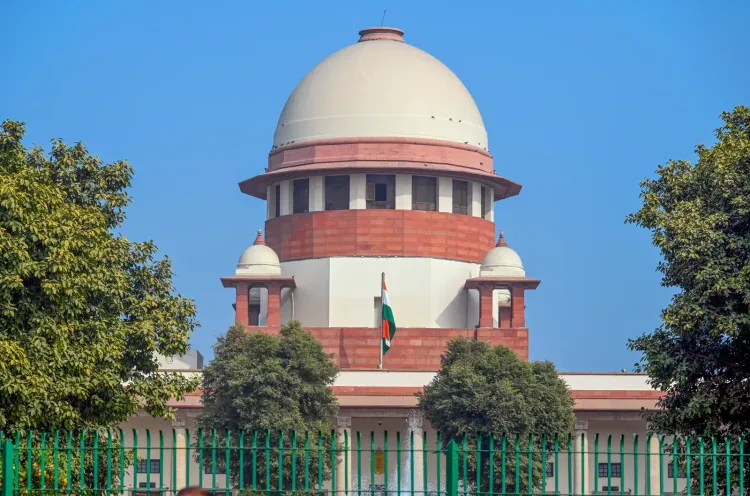
Days after the Madhya Pradesh High Court handed exclusive worship rights at the Bhojshala complex to the Hindu community, the Muslim side has moved the Supreme Court. With a caveat already filed by the Hindu side, the apex court is set to hear one of central India's most contested religious-heritage disputes — one that now also carries a directive to repatriate a Goddess Saraswati idol from the British Museum.
Key Takeaways
Quazi Moinuddin filed a Special Leave Petition (SLP) — Diary No.
32281/2026 — in the Supreme Court on Thursday, challenging the MP High Court 's Bhojshala ruling.
The Madhya Pradesh High Court on 15 May 2026 recognised the Bhojshala complex in Dhar as a Hindu temple and granted exclusive worship rights to the Hindu community.
The ruling set aside the ASI order of 7 April 2003 that had allowed Friday namaz at the site.
The ASI issued fresh directions on 16 May 2026 granting unrestricted Hindu access while retaining administrative control.
The MP High Court also directed the Union government to seek repatriation of a Goddess Saraswati idol believed to be at the British Museum in London.
The Hindu side has filed a caveat petition through Jitendra Singh Vishen to ensure no ex parte order is passed.
The Muslim side has moved the Supreme Court challenging the Madhya Pradesh High Court's landmark ruling that recognised the Bhojshala complex in Dhar as a Hindu temple and granted exclusive worship rights to the Hindu community. The Special Leave Petition (SLP), filed by Quazi Moinuddin, has been registered as Diary No. 32281/2026 and is currently listed as 'pending' on the apex court's official website.
The High Court Ruling Under Challenge
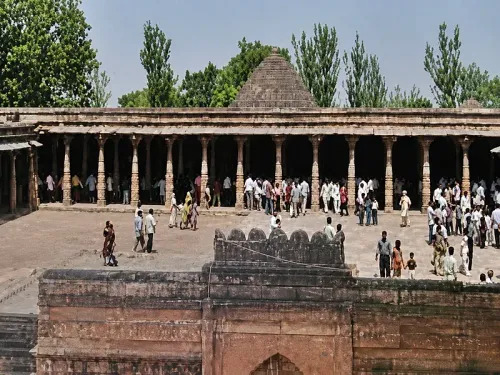
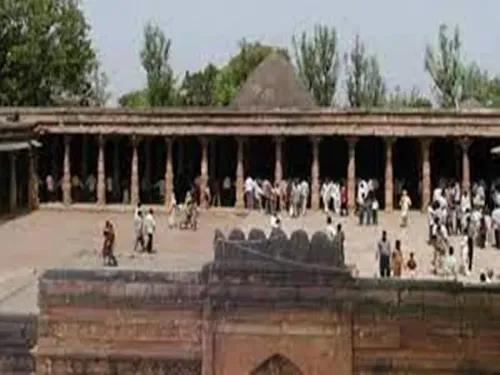
On 15 May 2026, a bench of Justice Vijay Kumar Shukla and Justice Alok Awasthi of the Indore Bench of the Madhya Pradesh High Court delivered a ruling in the decades-old dispute over the Bhojshala and Kamal Maula Mosque complex in Dhar district. The court held that the Bhojshala complex is a Hindu temple and the property of King Bhoj, and that the Hindu community's right to worship at the site 'was never extinguished.'
The ruling set aside the Archaeological Survey of India (ASI) order dated 7 April 2003, which had permitted the Muslim community to offer namaz at the premises on Fridays. The court held that the previous arrangement was 'inconsistent with the established character of the monument.'
Key Findings of the Archaeological Survey
The High Court relied extensively on findings from a 2024 archaeological survey, which recorded the presence of Sanskrit inscriptions, a Havan Kund, and structural features associated with Hindu temple architecture and Vedic learning centres. These findings formed the evidentiary backbone of the ruling.
Following the verdict, the ASI issued fresh directions on 16 May 2026, granting unrestricted access to the Hindu community for worship and learning activities linked to Goddess Saraswati, while retaining administrative control over the protected monument. The ASI stated that the new framework supersedes all previous arrangements and will be implemented in coordination with local authorities.
Repatriation of Saraswati Idol Directed
In a notable addition to its ruling, the Madhya Pradesh High Court also directed the Union government to make efforts to repatriate an ancient idol of Goddess Saraswati, believed to be currently housed at the British Museum in London. The direction adds an international dimension to what has been a localised religious and heritage dispute.
Hindu Side Files Caveat
Anticipating the legal challenge, the Hindu side has already lodged a caveat petition in the Supreme Court. Filed by Jitendra Singh Vishen through his counsel, the caveat requests that the Hindu side be granted an opportunity to present its case before any interim relief is considered — ensuring no ex parte order is passed without hearing them.
Background and What's Next
The Bhojshala dispute is one of central India's most sensitive religious and historical litigations. The Hindu side claims the site was originally established by King Bhoj in 1034 AD as a temple dedicated to Goddess Saraswati and a centre for Sanskrit learning. The Muslim side maintains that the Kamal Maula Mosque has existed at the site for centuries and that the legal status had been settled through earlier administrative arrangements.
The SLP was filed at around 8:30 pm on Thursday. With the caveat already in place, the Supreme Court is expected to hear both sides before passing any interim order. The case is likely to draw national attention given its parallels with other contested religious sites currently before Indian courts.
Point of View
And the bench's approach to interim relief will be closely watched. The Madhya Pradesh High Court's reliance on the 2024 archaeological survey as determinative evidence sets a precedent that could shape how similar disputes are adjudicated — a methodology that is neither settled law nor without critics. The directive to repatriate the Saraswati idol from the British Museum, while symbolically significant, has no enforcement mechanism and risks becoming a headline without a resolution. What the Supreme Court does in the first hearing — whether it stays the HC order or lets the ASI framework operate — will define the practical reality at the site for months.
NationPress
6 Oct 2026
Frequently Asked Questions
What is the Bhojshala complex and why is it disputed?
The Bhojshala complex in Dhar, Madhya Pradesh, is a protected monument that the Hindu side claims was built by King Bhoj in 1034 AD as a temple to Goddess Saraswati and a Sanskrit learning centre. The Muslim side holds that the Kamal Maula Mosque has coexisted at the site for centuries and that its legal status was settled through earlier administrative arrangements.
What did the Madhya Pradesh High Court rule on 15 May 2026?
The Indore Bench of the Madhya Pradesh High Court ruled on 15 May 2026 that the Bhojshala complex is a Hindu temple and the property of King Bhoj, holding that Hindu worship rights 'were never extinguished.' It set aside the 2003 ASI order permitting Friday namaz and suggested the state government consider allocating alternative land for a mosque.
Who has filed the petition in the Supreme Court and what is its status?
Quazi Moinuddin filed a Special Leave Petition registered as Diary No. 32281/2026, challenging the MP High Court verdict. The plea was filed at around 8:30 pm on Thursday and is currently listed as 'pending' on the Supreme Court's official website.
What is the caveat filed by the Hindu side?
Jitendra Singh Vishen, representing the Hindu side, has filed a caveat in the Supreme Court requesting that the Hindu side be heard before any interim relief is granted. This ensures that no ex parte order can be passed on the Muslim side's SLP without first giving the Hindu side an opportunity to present its arguments.
What did the ASI do after the High Court verdict?
Following the May 15 ruling, the Archaeological Survey of India issued fresh directions on 16 May 2026 granting unrestricted access to the Hindu community for worship and learning activities at the Bhojshala complex. The ASI stated the new framework supersedes all previous arrangements and will be implemented in coordination with local authorities, while the ASI retains administrative control over the protected monument.