Bhojshala verdict due May 15: MP High Court set to rule on Dhar dispute
Synopsis
After decades of contention and 25 days of intensive court hearings, the Madhya Pradesh High Court's Indore Bench is set to rule on the Bhojshala-Kamal Maula Mosque dispute on May 15 — a verdict that could reshape how India's courts handle competing historical claims over shared religious sites.
Key Takeaways
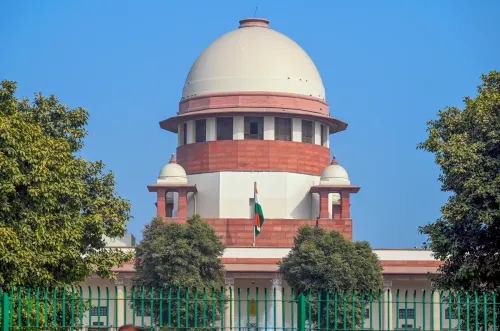
The Indore Bench of the Madhya Pradesh High Court is expected to deliver its verdict in the Bhojshala-Kamal Maula Mosque dispute on 15 May .
Advocate Vishnu Shankar Jain confirmed the ruling date in a written statement.
The case followed nearly 25 days of intensive hearings and an ASI scientific survey of the Dhar complex.
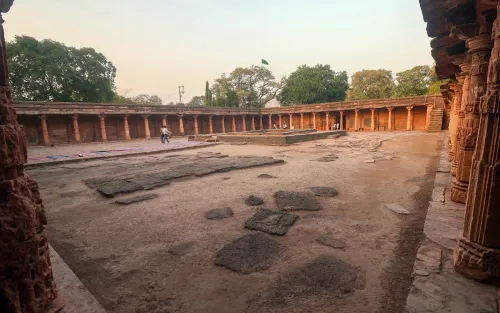
The Hindu side claims the site is an 11th-century temple to Goddess Vagdevi built by Raja Bhoj ; the Muslim side asserts it has served as the Kamal Maula Mosque for centuries.
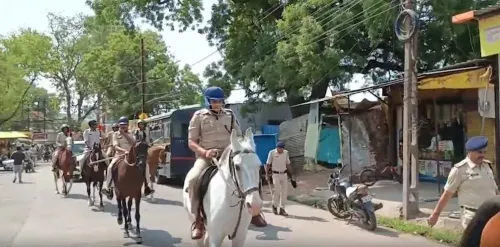
Madhya Pradesh has been placed on high alert with heavy police deployment in Dhar and across sensitive localities statewide.
The Indore Bench of the Madhya Pradesh High Court is set to deliver its long-awaited verdict in the Bhojshala-Kamal Maula Mosque dispute on 15 May, according to advocate Vishnu Shankar Jain, who represents one of the parties in the case. The ruling, expected from the court in Dhar, follows nearly 25 days of intensive hearings and an extensive scientific survey by the Archaeological Survey of India (ASI).
Background of the Dispute
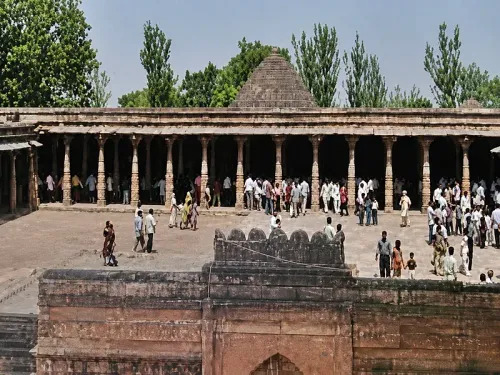
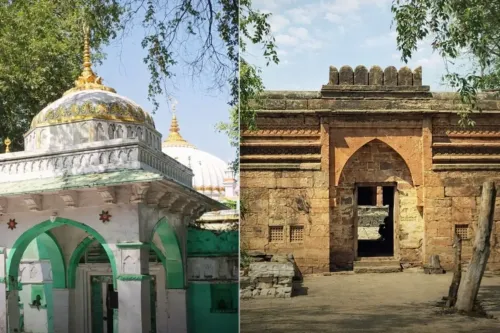
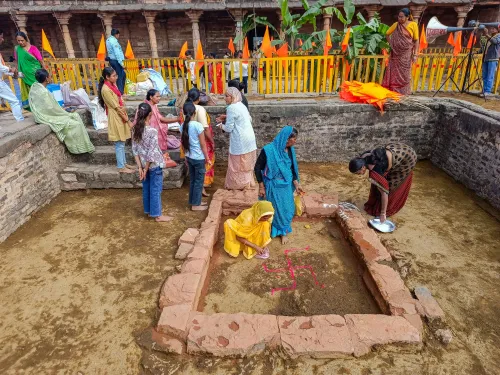
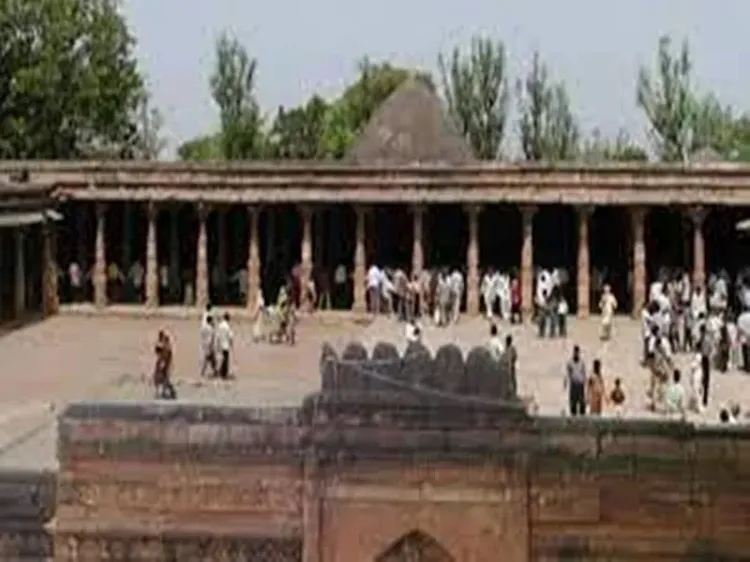
The Bhojshala complex in Dhar, Madhya Pradesh has been one of central India's most sensitive religious and architectural controversies for decades. The Hindu side contends that the structure is an 11th-century temple dedicated to Goddess Vagdevi, built by the scholar-king Raja Bhoj. The Muslim side maintains that the site has functioned as the Kamal Maula Mosque for centuries, making it an integral part of their religious heritage.
Under a prior arrangement by the ASI, the site was open to Hindus for prayers on Tuesdays and to Muslims for Friday prayers — a compromise that both communities ultimately found insufficient, eventually triggering the current legal proceedings.
What the Court Examined
Over nearly 25 days of hearings, the court scrutinised the ASI survey report alongside historical records and archaeological findings. Legal representatives from both sides presented detailed arguments covering architectural motifs, inscriptions, and historical references associated with the complex. The court reserved its judgment after the conclusion of those arguments.
Advocate Vishnu Shankar Jain confirmed the imminent ruling, writing: 'Judgment in Bhojshala case will be delivered tomorrow by Hon'ble Indore High Court.'
Security on High Alert Across Madhya Pradesh
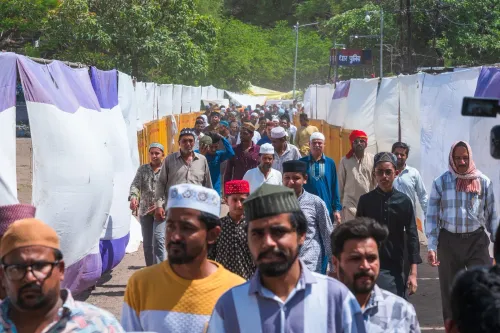
In anticipation of the verdict, the Madhya Pradesh administration has placed the state on high alert. Heavy police deployment has been made around the Bhojshala complex, with surveillance intensified in sensitive localities across Dhar city and the broader state. Local authorities have engaged with community leaders from both sides, appealing for calm and communal harmony regardless of the court's decision.
What the Verdict Could Mean
This is not merely a local property or religious dispute — the ruling is expected to set a significant legal and social precedent for how competing historical claims over shared religious sites are adjudicated in India. The case has drawn national attention, and the outcome is being watched closely by legal observers, religious communities, and state governments alike. The verdict's long-term impact on the social and legal landscape of central India is expected to be substantial.
Point of View
But its findings have rarely resolved the underlying political and communal tensions. A verdict either way will be legally binding, yet the deeper question of how communities share contested heritage spaces remains unanswered by any court order alone. The administration's high-alert posture signals that authorities themselves are uncertain whether a legal resolution will translate into social peace.
NationPress
6 Oct 2026
Frequently Asked Questions
What is the Bhojshala-Kamal Maula Mosque dispute?
The Bhojshala dispute centres on a complex in Dhar, Madhya Pradesh, which the Hindu side claims is an 11th-century temple to Goddess Vagdevi built by Raja Bhoj, while the Muslim side maintains it has functioned as the Kamal Maula Mosque for centuries. The competing claims have been the subject of a prolonged legal battle before the Madhya Pradesh High Court's Indore Bench.
When will the Bhojshala verdict be delivered?
The Indore Bench of the Madhya Pradesh High Court is expected to deliver its verdict on 15 May, as confirmed by advocate Vishnu Shankar Jain, who represents one of the parties in the case.
What role did the ASI play in the Bhojshala case?
The Archaeological Survey of India conducted an extensive scientific survey of the Bhojshala complex as part of the legal proceedings. The court examined the ASI survey report alongside historical records and archaeological findings during nearly 25 days of hearings before reserving its judgment.
What security arrangements have been made ahead of the verdict?
The Madhya Pradesh administration has placed the state on high alert. Heavy police deployment has been made around the Bhojshala complex in Dhar, surveillance has been intensified in sensitive localities, and local authorities have appealed to community leaders from both sides for calm and communal harmony.
What was the previous arrangement for the Bhojshala site?
Prior to the current legal proceedings, the ASI had put in place an arrangement allowing Hindus to offer prayers at the site on Tuesdays and Muslims to offer Friday prayers. Both communities eventually sought a permanent resolution, leading to the ongoing court case.