Bhojshala verdict: Hindu side files SC caveat as Muslim side plans challenge
Synopsis
Hours after the Madhya Pradesh High Court declared the Bhojshala complex a Goddess Saraswati temple and scrapped the 2003 order allowing Friday prayers, both sides are racing to the Supreme Court — one to protect the verdict, the other to overturn it. The Muslim side's challenge rests on questioning whether an ASI report alone can settle a decades-old religious dispute.
Key Takeaways
Jitendra Singh Vishen filed a caveat in the Supreme Court on Friday to prevent ex parte orders against the Bhojshala High Court verdict.
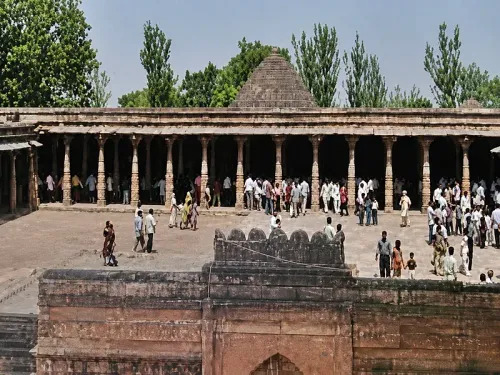
The Madhya Pradesh High Court declared the 11th-century Bhojshala complex in Dhar a temple dedicated to Goddess Saraswati .
The bench set aside the 7 April 2003 order permitting Friday prayers by the Muslim community at the site.
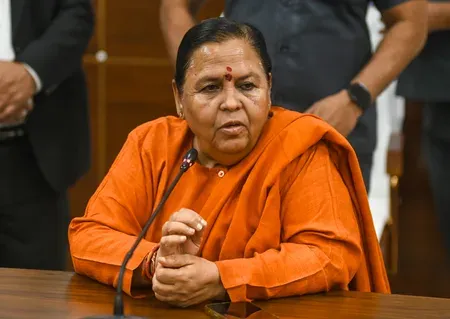
Dhar City Qazi Wakar Sadiq confirmed the Muslim side will challenge the ruling, citing objections to the ASI survey methodology.
The court suggested the Muslim side may approach the Madhya Pradesh state government for a separate land allotment in Dhar for mosque construction.
Widespread celebrations erupted in Dhar , with members of the Bhoj Utsav Samiti and devotees gathering at the Akhand Jyoti Temple .
The Indore Bench of the Madhya Pradesh High Court delivered a landmark ruling on the Bhojshala complex in Dhar, declaring the 11th-century monument a temple dedicated to Goddess Saraswati — and both sides have now moved to secure their positions before the Supreme Court of India. The Hindu side filed a caveat petition on Friday, while the Muslim side signalled its intent to mount a legal challenge.
The Caveat Petition
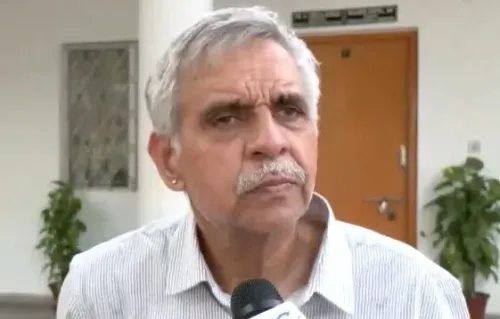
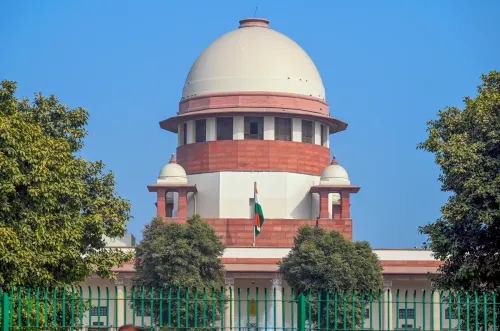
Jitendra Singh Vishen, through his counsel Advocate Barun Kumar Sinha, filed the caveat in the Supreme Court formally requesting that the apex court not pass any ex parte orders on potential appeals against the High Court verdict without first granting a hearing to the Hindu side. The move is a standard but strategically significant legal step, ensuring the Hindu petitioners are notified before any stay or interim relief is considered.
Muslim Side to Challenge the Ruling
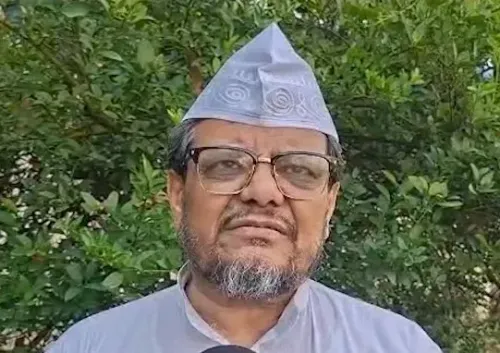
Dhar City Qazi Wakar Sadiq stated that the Muslim side would carefully review the Archaeological Survey of India (ASI) report before approaching the Supreme Court. He noted that several objections raised during the survey process would form the basis of their legal challenge. According to Qazi Sadiq, judicial precedents indicate that an archaeological report alone should not serve as the sole basis for a final verdict — an argument likely to anchor their appeal.
What the High Court Ruled
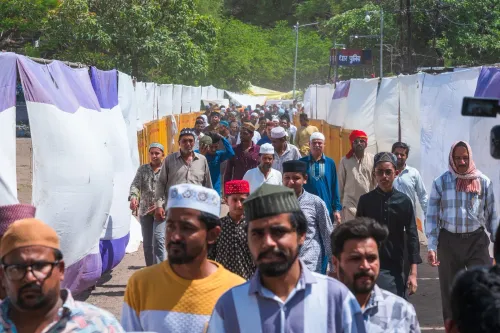
The High Court's verdict placed administration of the Bhojshala complex under the discretion of the Central Government and the Archaeological Survey of India. Critically, the bench set aside the 7 April 2003 administrative order that had permitted the Muslim community to offer Friday prayers at the site. The court also suggested that the Muslim side — which identifies the structure as the Kamal Maula Mosque — could approach the Madhya Pradesh state government for a separate allotment of land in Dhar for mosque construction.
Celebrations in Dhar
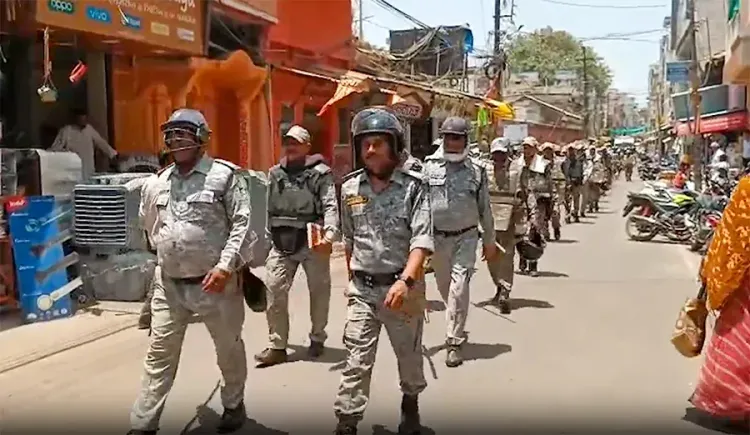
The verdict triggered widespread celebrations across Dhar. Members of the Bhoj Utsav Samiti and thousands of devotees gathered at the Akhand Jyoti Temple, where religious chants and the distribution of sweets marked the occasion. Women gathered in large numbers to perform special prayers and light lamps as a gesture of gratitude to Goddess Vagdevi. For many in the Hindu community, the ruling represents the culmination of decades of legal effort to restore what they believe is the site's original identity.
What Comes Next
With both sides now positioned before the Supreme Court, the Bhojshala dispute is set to enter a new legal phase. The Muslim side's challenge, grounded in objections to the ASI survey methodology, could test the evidentiary weight courts assign to archaeological findings in religious-site disputes — a question with implications well beyond Dhar.
Point of View
One side celebrates a historic restoration, the other contests the evidentiary methodology. The Muslim side's challenge — that an archaeological report should not be the sole basis for a final verdict — is legally substantive and will test how much evidentiary weight the Supreme Court assigns to ASI findings going forward. The 2003 administrative order being set aside is the most immediate practical consequence; its removal ends a two-decade arrangement without an alternative yet in place. How the Supreme Court handles the caveat and any subsequent stay application will signal whether this dispute is headed for a swift resolution or another protracted legal chapter.
NationPress
26 Sept 2026
Frequently Asked Questions
What is the Bhojshala complex and why is it disputed?
The Bhojshala complex in Dhar, Madhya Pradesh, is an 11th-century monument that Hindus venerate as a temple dedicated to Goddess Saraswati, while Muslims identify it as the Kamal Maula Mosque. The dispute centres on the site's religious character and access rights, which had been managed under a 2003 administrative arrangement allowing both communities to use the premises on different days.
What did the Madhya Pradesh High Court rule on Bhojshala?
The Indore Bench of the Madhya Pradesh High Court declared the Bhojshala complex a temple dedicated to Goddess Saraswati and placed its administration under the Central Government and the Archaeological Survey of India. The court also set aside the 7 April 2003 order that had allowed the Muslim community to offer Friday prayers at the site.
Why did the Hindu side file a caveat in the Supreme Court?
Jitendra Singh Vishen filed the caveat through Advocate Barun Kumar Sinha to ensure the Hindu side is heard before the Supreme Court passes any ex parte interim order — such as a stay — on appeals filed against the High Court verdict. It is a standard legal safeguard to prevent adverse orders without notice.
On what grounds does the Muslim side plan to challenge the ruling?
Dhar City Qazi Wakar Sadiq indicated the challenge will be based on objections raised during the ASI survey process and the legal argument that an archaeological report alone should not form the sole basis for a final verdict, citing judicial precedents in similar disputes.
What happens to Friday prayers at the Bhojshala site now?
With the 7 April 2003 administrative order set aside by the High Court, the arrangement permitting Friday prayers by the Muslim community at the site has been revoked. The court suggested the Muslim side may approach the Madhya Pradesh state government for a separate land allotment in Dhar for mosque construction.