Bhojshala declared Hindu temple: Muslim community split on MP High Court verdict
Synopsis
The Madhya Pradesh High Court has declared Bhojshala a Hindu temple — and the Muslim community's response has been anything but unified. While the Indian Sufi Foundation is urging peaceful acceptance and drawing parallels with the Babri Masjid verdict, senior clerics and a Congress MLA are readying a Supreme Court challenge. The verdict reshapes a decades-old shared-worship arrangement at one of central India's most contested sites.
Key Takeaways
The Madhya Pradesh High Court declared the Bhojshala complex a Hindu temple and property of King Bhoj , granting exclusive worship rights to the Hindu side.
Petitions filed by the Muslim and Jain communities were dismissed by the court.
Kashish Warsi of the Indian Sufi Foundation urged Muslims to accept the verdict peacefully, comparing it to the Babri Masjid ruling.
Maulana Khalid Rasheed Farangi Mahli called the verdict a source of 'disappointment' and said a Supreme Court appeal remains an option.
Congress MLA Arif Masood confirmed plans to challenge the verdict in the Supreme Court and asked the administration not to hand over the site until then.
The court suggested the government consider allocating alternative land for a mosque for the Muslim community.
The Madhya Pradesh High Court verdict recognising the Bhojshala complex in Dhar as a Hindu temple and the property of King Bhoj has exposed a visible divide within the Muslim community, with some leaders urging peaceful acceptance and others vowing to challenge the ruling before the Supreme Court. The court granted the Hindu side exclusive rights to worship at the site while dismissing petitions filed by both the Muslim and Jain communities.
Calls for Acceptance from Within the Community
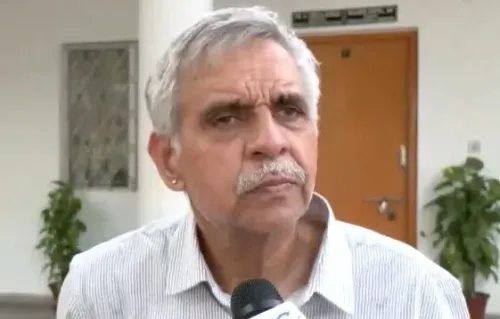
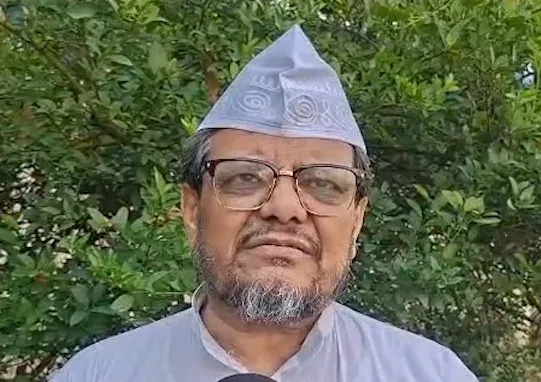
Kashish Warsi, President of the Indian Sufi Foundation, appealed to Muslims across the country to accept the verdict peacefully. He pointed to the shared history of the site — where namaz was offered only on Fridays while Hindus performed worship on Tuesdays — and argued that the arrangement itself reflected the disputed nature of the location.
'Namaz was offered there only on Fridays and Hindus used to perform worship on Tuesdays. Idols of Hindu Goddesses used to be removed from there on Fridays. Then the place was cleaned for namaz,' Warsi said.
Warsi asserted that a 'true Muslim' would not offer namaz at a disputed site, drawing a direct parallel with the Babri Masjid verdict. 'Just like the Babri Masjid verdict, this decision too should be accepted by the community because going against the court amounts to contempt of court,' he said. He also cautioned the community not to be 'misled by anyone, especially those having a communal mindset.'
Disappointment and the Supreme Court Option
Not all voices within the community echoed that restraint. Maulana Khalid Rasheed Farangi Mahli said the High Court verdict had caused 'disappointment' among Muslims, though he acknowledged that the legal route to the Supreme Court remained open. He expressed optimism that the apex court 'will serve justice.'
Congress MLA Arif Masood confirmed that the Muslim side intends to appeal before the Supreme Court. 'The case of the Kamal Maula Mosque is very old, and this dispute has been going on for a long time. The controversy continued even after it was handed over to the Archaeological Survey of India (ASI),' Masood said. He further urged the administration not to hand over the property until the Supreme Court delivers its verdict.
What the High Court Said
While granting exclusive worship rights to the Hindu side, the court also acknowledged the Muslim community's interests. It reportedly suggested that the government consider allocating alternative land for a mosque if the community so desires — a provision that mirrors elements of the Babri Masjid settlement framework, though the legal contexts differ significantly.
Historical and Legal Context
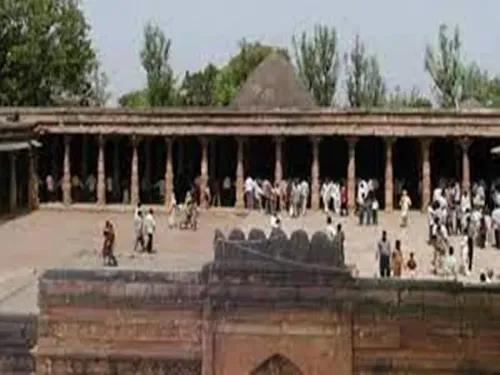
The Bhojshala complex has been a flashpoint for decades. Named after the 11th-century ruler King Bhoj, the site is revered by Hindus as the abode of Goddess Saraswati, while Muslims have historically used a portion of the premises — known as the Kamal Maula Mosque — for Friday prayers. The ASI has administered the site under a regulated worship arrangement. The High Court's ruling fundamentally alters that status quo, making a Supreme Court challenge all but certain. This is the latest in a series of judicial decisions on contested religious sites that have tested community relations and the boundaries of constitutional guarantees on religious freedom.
With a Supreme Court appeal expected, the legal battle over Bhojshala is far from over — and how the community's divided voices consolidate in the coming days will shape both the courtroom strategy and the ground-level response.
Point of View
But it sits uneasily alongside the mobilisation for a Supreme Court challenge. What is often missed in the binary temple-versus-mosque framing is the decades-long regulated coexistence that the ASI arrangement represented; the court's ruling does not just resolve a dispute, it dismantles a working, if imperfect, status quo. The suggestion of alternative land for a mosque echoes the Ayodhya settlement structure, but whether that offer translates into action depends entirely on political will at the state level — a variable that history gives little reason to trust.
NationPress
15 Oct 2026
Frequently Asked Questions
What did the Madhya Pradesh High Court rule on Bhojshala?
The Madhya Pradesh High Court declared the Bhojshala complex a Hindu temple and the property of King Bhoj, granting the Hindu side exclusive rights to worship at the site. It dismissed petitions filed by both the Muslim and Jain communities.
What is the Bhojshala complex and why is it disputed?
Bhojshala is an 11th-century monument in Dhar, Madhya Pradesh, named after King Bhoj and revered by Hindus as a temple of Goddess Saraswati. Muslims have used a portion of the premises — the Kamal Maula Mosque — for Friday prayers, creating a long-standing dispute that has been managed by the Archaeological Survey of India under a shared-worship arrangement.
Will the Muslim side appeal the Bhojshala verdict?
Yes, leaders including Maulana Khalid Rasheed Farangi Mahli and Congress MLA Arif Masood have confirmed plans to challenge the High Court ruling before the Supreme Court. Masood has also urged the administration not to transfer the property until the apex court delivers its verdict.
Why did the Indian Sufi Foundation urge acceptance of the verdict?
Kashish Warsi of the Indian Sufi Foundation argued that a 'true Muslim' would not offer namaz at a disputed site, and that challenging the court's decision amounts to contempt of court. He drew a parallel with the Babri Masjid verdict and cautioned the community against being influenced by those with a communal agenda.
What alternative did the High Court suggest for the Muslim community?
The High Court suggested that the government consider allocating alternative land for a mosque if the Muslim community so desires, though this remains a recommendation rather than a binding directive.