Bhojshala verdict validates Kashi, Mathura claims, says Swami Jitendranand
Synopsis
The Madhya Pradesh High Court's Bhojshala ruling has emboldened Hindu religious leaders to press demands over Kashi and Mathura. Swami Jitendranand of the Akhil Bhartiya Sant Samiti is now explicitly invoking the Babri Masjid precedent — signalling that the legal battle over India's most sensitive disputed sites is entering a new, more assertive phase.
Key Takeaways
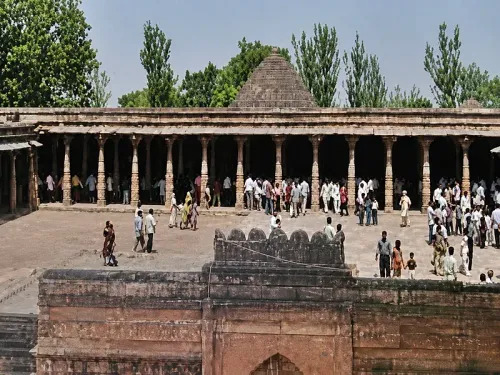
The Madhya Pradesh High Court recognised the Bhojshala complex as a Hindu temple, revoking the ASI's 2003 order permitting namaz at the site.
Swami Jitendranand Saraswati of the Akhil Bhartiya Sant Samiti cited the ruling as validation for claims over the Gyanvapi Mosque in Varanasi and the Shahi Idgah Mosque in Mathura.
He appealed to Muslim religious organisations to 'back off' from disputed sites in Kashi and Mathura , invoking the Ram Janmabhoomi–Babri Masjid precedent.
Falahari Baba (Dinesh Sharma) called the verdict a 'Diwali celebration' and said it would serve as a template for the Krishna Janmabhoomi–Shahi Idgah case.
Core title disputes over the Kashi and Mathura sites remain pending before Indian courts.
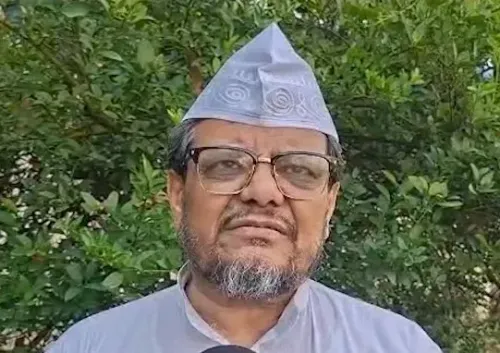
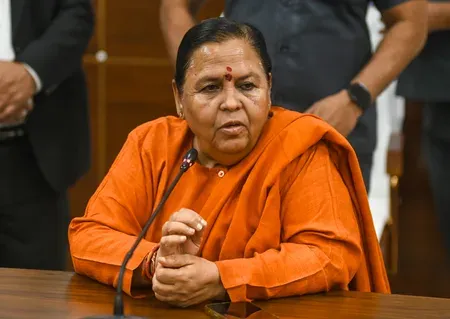
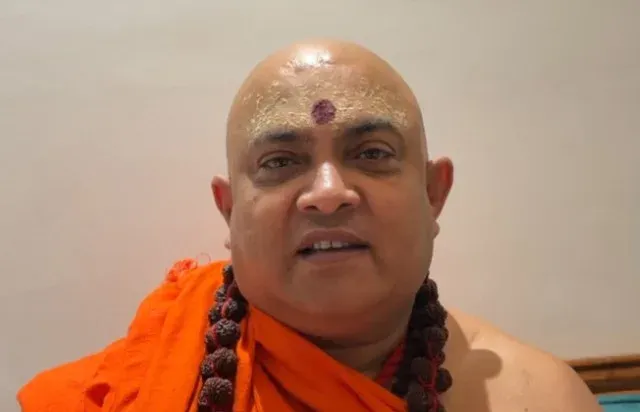
Swami Jitendranand Saraswati, National General Secretary of the Akhil Bhartiya Sant Samiti, on Friday, 15 May welcomed the Madhya Pradesh High Court ruling that recognised the Bhojshala complex in Dhar as a Hindu temple and the property of King Bhoj, asserting that the verdict strengthens his organisation's position on disputed sites in Kashi (Varanasi) and Mathura as well.
The Bhojshala Ruling
The Madhya Pradesh High Court revoked the Archaeological Survey of India's (ASI) 2003 order that had permitted the Muslim community to offer namaz at the Bhojshala site. The court granted the Hindu side exclusive rights to perform worship at the complex and dismissed petitions filed by the Muslim side and the Jain community. The ruling has been widely cited by Hindu religious leaders as a judicial precedent for other disputed religious sites across the country.
What Swami Jitendranand Said
In a video message, Swami Jitendranand Saraswati alleged that namaz was being offered at what he described as the temple of Goddess Saraswati, calling it an insult to the Hindu community. 'Sant Samiti always believed that popular temples of the country have been demolished to create mosques. They were not places to offer namaz,' he claimed.
He further appealed to Muslim religious organisations to 'back off from the disputed sites in Mathura and Kashi as well,' drawing a parallel with the Ram Janmabhoomi–Babri Masjid dispute. 'Just like the cases of Ram Janmbhoomi–Babri Masjid dispute and the Dhar Bhojshala complex, we have significant proof on those too,' he added. He also called for dialogue, saying: 'Let us sit together and discuss, but you have to leave Mathura's Shri Krishna Janmabhoomi and Kashi's Gyanvapi.'
The Kashi and Mathura Disputes
Hindu petitioners have long claimed that the Gyanvapi Mosque in Varanasi was constructed over the original Kashi Vishwanath temple, and that the Shahi Idgah Mosque in Mathura stands on the site of the Shri Krishna Janmasthan. Both disputes are currently before Indian courts. Swami Jitendranand asserted that judicial rulings have so far favoured the Hindu side in related proceedings, though the core title suits remain pending.
Other Religious Leaders React
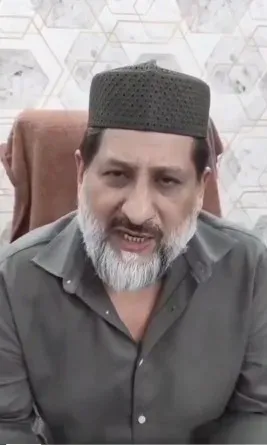
Dinesh Sharma, widely known as Falahari Baba, also welcomed the Bhojshala verdict, stating: 'The Mughal rulers had illegally taken over many of our temples and demolished religious sites. Now our hopes have been revived by the judiciary.' He argued that the Bhojshala case would serve as a template for the Krishna Janmabhoomi–Shahi Idgah dispute. 'The verdict is similar to a Diwali celebration for the Hindus,' he said.
Broader Context
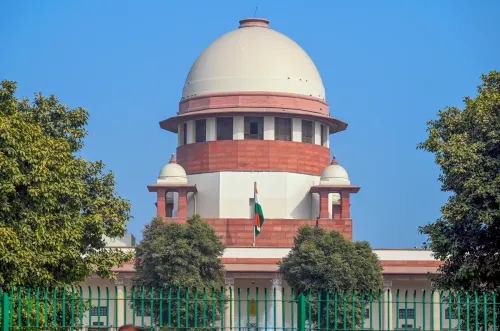
The Bhojshala ruling comes amid heightened legal and political activity around disputed religious sites in India. This is the latest in a series of court orders — following the 2019 Supreme Court verdict on the Ram Janmabhoomi — that have addressed the status of structures claimed by both Hindu and Muslim communities. Both Swami Jitendranand and Falahari Baba appealed for peace even as they pressed their demands, reflecting the dual register — judicial assertion and calls for calm — that has characterised the broader movement. The legal proceedings in Kashi and Mathura are expected to continue for years, and the Bhojshala precedent is likely to be cited by both sides in those cases.
Point of View
Invoking the Supreme Court's Ayodhya verdict as a template. The courts have so far drawn careful distinctions between each case; whether the Bhojshala precedent will actually carry legal weight in Varanasi or Mathura proceedings remains to be seen. Mainstream coverage tends to focus on the statements; the harder question — how Indian courts will handle the Places of Worship (Special Provisions) Act, 1991, which freezes the religious character of sites as of 1947 — is where the real legal battle will be fought.
NationPress
7 Oct 2026
Frequently Asked Questions
What did the Madhya Pradesh High Court rule on Bhojshala?
The Madhya Pradesh High Court recognised the Bhojshala complex in Dhar as a Hindu temple and the property of King Bhoj, revoking the ASI's 2003 order that had allowed the Muslim community to offer namaz at the site. The court granted the Hindu side exclusive worship rights and dismissed petitions by the Muslim side and the Jain community.
What are the Kashi and Mathura disputes?
Hindu petitioners claim that the Gyanvapi Mosque in Varanasi was built over the original Kashi Vishwanath temple, and that the Shahi Idgah Mosque in Mathura stands on the Shri Krishna Janmasthan. Both cases are currently before Indian courts, with the core title suits still pending.
Why is Swami Jitendranand invoking the Babri Masjid case?
Swami Jitendranand cited the Ram Janmabhoomi–Babri Masjid verdict and the Bhojshala ruling as judicial precedents supporting Hindu claims over disputed sites. He argued that similar evidence exists for Kashi and Mathura, and used these rulings to press Muslim organisations to vacate those sites voluntarily.
Who is Falahari Baba and what did he say?
Falahari Baba is the popular name for Dinesh Sharma, a Hindu religious leader who welcomed the Bhojshala verdict. He described the ruling as akin to a 'Diwali celebration' for Hindus and said it would serve as a template for resolving the Krishna Janmabhoomi–Shahi Idgah dispute in Mathura.
What is the Places of Worship Act and how does it relate to these disputes?
The Places of Worship (Special Provisions) Act, 1991 freezes the religious character of all places of worship as they stood on 15 August 1947, with the sole exception of the Ram Janmabhoomi site. Courts adjudicating the Kashi and Mathura disputes will need to reconcile petitioners' claims with this law, making it a central legal question in both cases.