MP High Court declares Bhojshala a Saraswati temple; Muslim side to appeal in Supreme Court
Synopsis
The Madhya Pradesh High Court has ruled that the Bhojshala complex in Dhar is a Saraswati temple — overturning a 2003 ASI order and rejecting Muslim prayer rights at the site. With the Muslim side announcing a Supreme Court challenge, this decades-old dispute is heading for its next high-stakes legal battle at the apex court.
Key Takeaways
The Madhya Pradesh High Court declared Bhojshala in Dhar a temple dedicated to Goddess Saraswati on 15 May 2025 .
The court overturned the ASI's 2003 order that denied Hindus worship rights and rejected the order granting Muslims namaz rights at the site.
The ASI will retain full management under the 1958 Act ; the Muslim community has been directed to seek separate land from the state government for a mosque.
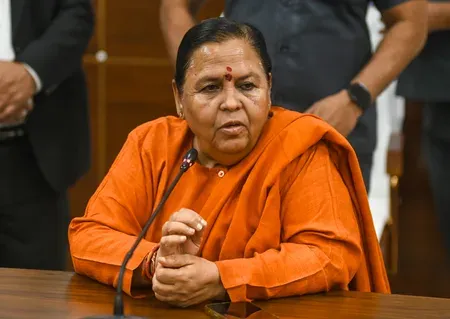
Former MP CM Uma Bharti hailed the verdict on X ; BJP MLA Rameshwar Sharma called it a 'victory for Sanatan.' Dhar Shahar Qazi Waqar Sadiq rejected the ruling and confirmed the Muslim side will appeal in the Supreme Court .
The case originated in 2022 ; a 98-day ASI survey was conducted in 2024 before hearings concluded on 12 May 2025 .
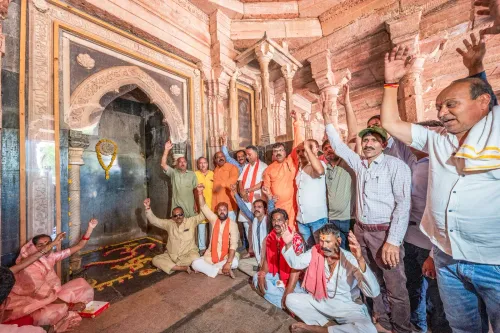
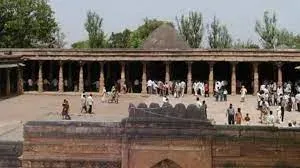
The Indore bench of the Madhya Pradesh High Court on Friday, 15 May declared the Bhojshala complex in Dhar district — an Archaeological Survey of India (ASI)-protected monument — a temple dedicated to Goddess Saraswati, bringing a landmark ruling in one of Madhya Pradesh's longest-running religious-site disputes. The court simultaneously overturned a 2003 ASI order that had denied Hindus the right to worship at the site, and rejected a corresponding order granting Muslims the right to offer namaz there.
Key Findings of the Court
The High Court held that historical evidence points to Bhojshala having served as both a Sanskrit teaching centre and a temple of Goddess Saraswati (Vaagdevi). The bench ruled that the Central government and the ASI must decide how the temple will be managed going forward, with the ASI retaining complete management authority under the 1958 Ancient Monuments and Archaeological Sites and Remains Act.
The court also directed the Muslim community — which has long referred to the site as the Kamal Maula Mosque — to approach the Madhya Pradesh state government for allotment of separate land in Dhar district for construction of a mosque.
Political Reactions
Veteran Bharatiya Janata Party (BJP) leader and former Madhya Pradesh Chief Minister Uma Bharti welcomed the ruling effusively on social media platform X. 'The High Court considered Dhar Bhojshala to be a Vaagdevi temple. All the facts of Dhar Bhojshala being a temple were presented. I am thrilled with this decision, congratulations,' she wrote, adding that she had learned of the verdict while travelling toward Devprayag in the Himalayas after meeting Uttarakhand Chief Minister Pushkar Singh Dhami in Dehradun.
BJP MLA Rameshwar Sharma from Bhopal called the verdict a 'victory for Sanatan,' saying, 'Our faith in the Judiciary remained steadfast — that truth would prevail here — and today, that very truth has triumphed.' Sharma also expressed hope that the Muslim community would 'accept the truth and extend a hand of friendship to Hindus.'
Muslim Side Plans Supreme Court Appeal
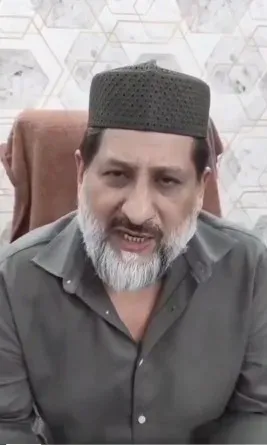
Dhar Shahar Qazi Waqar Sadiq expressed strong disagreement with the court's findings and made clear the matter is far from settled. 'We will review the decision that has been given against us. We will challenge the verdict in the Supreme Court,' Sadiq said, indicating the community would study the detailed order before finalising its legal strategy.
Background and Timeline
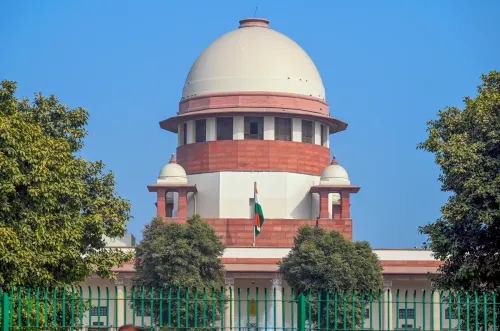
The legal battle was initiated in 2022 when Ranjana Agnihotri and others, representing the Hindu Front for Justice, filed a petition in the High Court seeking a determination of the site's religious character and full rights for the Hindu community. In 2024, the ASI conducted a 98-day scientific survey of the complex. On 23 January 2026 — Vasant Panchami — the Supreme Court permitted uninterrupted Hindu worship throughout the day. Regular High Court hearings commenced on 6 April and concluded on 12 May, culminating in Friday's ruling.
With the Muslim side set to approach the Supreme Court, the Bhojshala dispute is likely to enter a new and potentially prolonged legal chapter at the apex court level.
Point of View
A finding favouring the Hindu petitioners, and an immediate announcement of a Supreme Court appeal from the other side. What distinguishes this case is the court's explicit directive redirecting the Muslim community to seek fresh land from the state — a formula that shifts the burden to the executive and sidesteps the question of existing rights. With the apex court already having intervened once on Vasant Panchami worship, the Supreme Court appeal will test whether the higher bench is willing to revisit the evidentiary weight given to the ASI's 98-day survey. The political temperature around such verdicts has risen sharply since 2022, and the speed of reactions from BJP leaders signals that the party sees electoral capital in framing this as a judicial vindication of a civilisational claim — a framing that the Muslim side, and many constitutional lawyers, are likely to contest vigorously.
NationPress
28 Sept 2026
Frequently Asked Questions
What did the Madhya Pradesh High Court rule on Bhojshala?
The Indore bench of the Madhya Pradesh High Court declared on 15 May 2025 that the Bhojshala complex in Dhar is a temple dedicated to Goddess Saraswati. The court overturned a 2003 ASI order that had denied Hindus worship rights and rejected a corresponding order granting Muslims the right to offer namaz at the site.
What happens to the Muslim community's rights at Bhojshala?
The court has directed the Muslim community to approach the Madhya Pradesh state government for allotment of separate land in Dhar district for construction of a mosque. The ASI will retain full management of the Bhojshala site under the 1958 Ancient Monuments Act.
Will the Muslim side accept the High Court verdict?
No. Dhar Shahar Qazi Waqar Sadiq has rejected the ruling and confirmed the Muslim side will challenge it in the Supreme Court after studying the detailed order. He made clear the community does not consider the matter settled.
What is the history of the Bhojshala dispute?
The legal case was filed in 2022 by Ranjana Agnihotri and others on behalf of the Hindu Front for Justice. The ASI conducted a 98-day scientific survey of the complex in 2024. The Supreme Court permitted uninterrupted Hindu worship on Vasant Panchami, 23 January 2026, and High Court hearings ran from 6 April to 12 May 2025 before the verdict was delivered.
Who manages Bhojshala after the court ruling?
The court ruled that the Central government and the ASI will decide how the Bhojshala Temple is managed. The ASI retains complete management authority under the 1958 Act, unchanged by the verdict.