Bhojshala verdict: Congress calls for comprehensive SC ruling to prevent communal tensions
Synopsis
The Supreme Court declined to stay the MP High Court's ruling declaring Bhojshala a Hindu temple, but carved out a Friday namaz window for Muslims — an interim compromise that Congress says only deepens ambiguity. With CJI Surya Kant promising an early final hearing, one of India's most charged religious-site disputes is headed toward a decisive courtroom moment.
Key Takeaways
The Supreme Court on 14 July refused to stay the Madhya Pradesh High Court order declaring the Bhojshala-Kamal Maula Mosque complex in Dhar a Hindu temple.
The court directed the state to provide a separate open space near the monument for Muslim worshippers to offer namaz on Fridays between 1 pm and 3 pm as an interim measure.
ASI was barred from making any structural alterations to the site without prior Supreme Court approval.
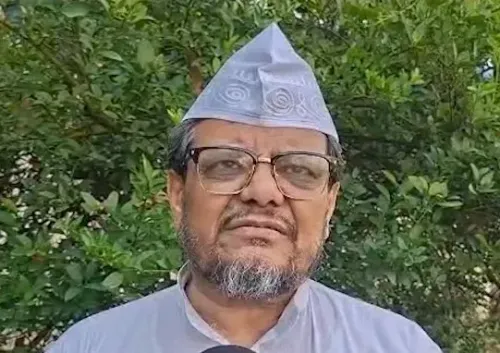
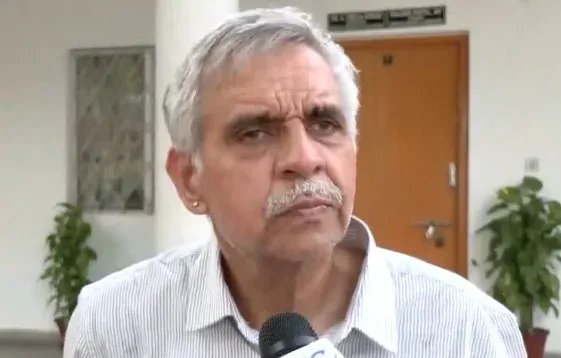
Congress leader Sandeep Dikshit said the interim arrangement implies the court recognises a Muslim claim and called for a full, comprehensive ruling.
CJI Surya Kant appealed for restraint from both communities and assured an early final hearing.
Congress leaders Awaaz Hafeez and Mukesh Nayak accused the BJP of exploiting the dispute to divert attention from employment, poverty, and infrastructure failures.
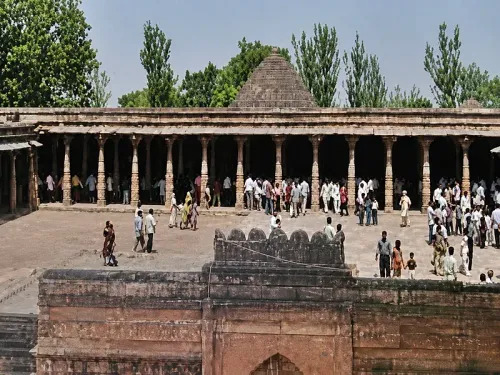
The Indian National Congress on Tuesday, 14 July called for a 'comprehensive judgement' from the Supreme Court in the disputed Bhojshala-Kamal Maula Mosque complex case in Dhar, Madhya Pradesh, warning that partial or interim rulings risk inflaming tensions between Hindu and Muslim communities. The remarks came hours after the apex court declined to stay the Madhya Pradesh High Court's ruling declaring the complex a Hindu temple, while simultaneously directing the state to provide a separate open space near the monument for Muslim worshippers to offer namaz on Fridays between 1 pm and 3 pm as an ad-hoc arrangement.
What the Supreme Court Directed
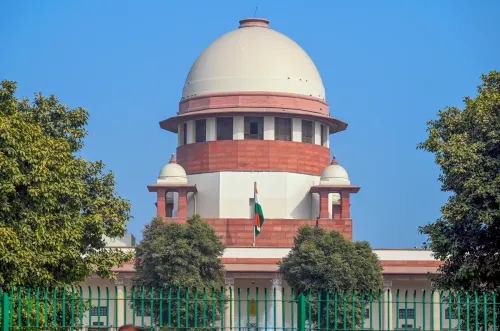
A bench led by Chief Justice of India Surya Kant refused to stay the High Court's judgment but issued an interim accommodation order, carving out a temporary Friday prayer window for the Muslim community at a space near the protected monument. The bench also ordered that the Archaeological Survey of India (ASI) may not carry out any structural alterations to the site without prior permission from the Supreme Court, effectively freezing the monument's physical status quo. Chief Justice Kant appealed for restraint from both sides, stating that 'both sides must have patience' and assured that the matter would be listed for final hearing at the earliest opportunity.
Congress Leaders Raise Concerns
Congress leader Sandeep Dikshit said he found the interim arrangement contradictory. 'I do not understand this. If a separate place is being given, it means the Supreme Court also believes the Muslim side has a claim. The matter should be decided accordingly. In my opinion, the Supreme Court should avoid such interim arrangements and examine the entire issue,' he said. Dikshit further described the matter as 'sensitive', urging the court to deliver a ruling that settles the dispute in its entirety. 'Whatever judgment it has to deliver should be comprehensive. Doing something partially and leaving the rest unresolved may unnecessarily create circumstances for tensions to increase,' he added.
BJP Accused of Diverting Attention
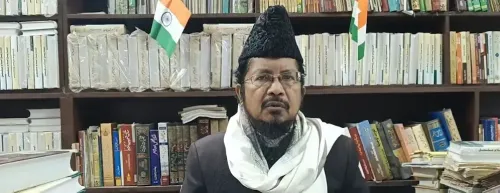
Congress leader Awaaz Hafeez accused the Bharatiya Janata Party (BJP) government of using the controversy to distract from governance failures. 'They want to push people into Hindu-Muslim debates. It is the government's responsibility to ensure that conflicts between Hindus and Muslims don't take place in Madhya Pradesh,' he said. Congress leader Mukesh Nayak echoed that sentiment, arguing that the BJP was keeping public attention anchored to communal controversies at the expense of issues such as employment, poverty, infrastructure, schools, and hospitals. 'Once these issues come to an end and the government can frame narratives on issues that affect human lives,' Nayak said.
Background and What Comes Next
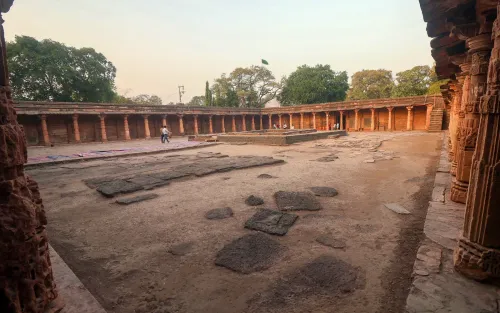
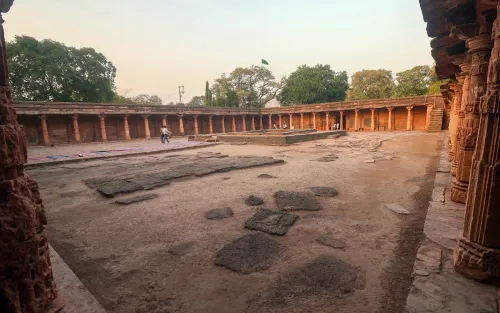
The Bhojshala complex in Dhar has long been a flashpoint — Hindus regard it as a temple dedicated to Goddess Saraswati, while Muslims consider the attached Kamal Maula Mosque a place of active worship. The site is under ASI protection, and an existing arrangement had permitted Hindu prayers on Tuesdays and Muslim prayers on Fridays. The High Court's ruling tipped that balance decisively toward the Hindu claim, prompting the legal challenge now before the Supreme Court. The apex court's assurance of an early final hearing suggests the long-running dispute could reach a definitive conclusion sooner than anticipated — though the political temperature around the case is likely to remain elevated in the interim.
Point of View
Instead buying time with a Friday prayer slot. But Congress is right that half-measures in contested sacred-site cases rarely reduce tension; they tend to institutionalise it. The more significant signal is CJI Surya Kant's promise of an early final hearing: if the court delivers a reasoned, comprehensive ruling rather than another layered interim fix, it could set a precedent for how India's judiciary handles the growing docket of mosque-temple disputes without inflaming the street. The BJP's political incentive, however, runs in the opposite direction — ambiguity keeps the issue alive as a mobilising narrative.
NationPress
13 Oct 2026
Frequently Asked Questions
What did the Supreme Court decide on the Bhojshala-Kamal Maula Mosque complex?
The Supreme Court on 14 July refused to stay the Madhya Pradesh High Court's judgment declaring the Bhojshala complex in Dhar a Hindu temple. As an interim measure, it directed the state government to provide a separate open space near the monument for Muslim worshippers to offer namaz on Fridays between 1 pm and 3 pm.
Why is Congress calling for a 'comprehensive judgement' in the Bhojshala case?
Congress leader Sandeep Dikshit argued that the court's interim arrangement — granting Muslims a separate prayer space — implicitly acknowledges a Muslim claim to the site, making a partial ruling contradictory. He and other Congress leaders warned that leaving the core dispute unresolved risks unnecessarily stoking communal tensions.
What restrictions did the Supreme Court place on the Bhojshala site?
The court ordered that the Archaeological Survey of India (ASI) cannot carry out any structural alterations to the protected monument without prior permission from the Supreme Court, effectively preserving the site's current physical condition until a final verdict.
What is the background of the Bhojshala dispute in Dhar?
The Bhojshala complex in Dhar, Madhya Pradesh, is claimed by Hindus as a temple dedicated to Goddess Saraswati and by Muslims as the site of the Kamal Maula Mosque. Under ASI protection, an earlier arrangement allowed Hindu prayers on Tuesdays and Muslim prayers on Fridays. The MP High Court's recent ruling declared the complex a Hindu temple, triggering the current Supreme Court challenge.
When will the Supreme Court deliver a final ruling on Bhojshala?
Chief Justice of India Surya Kant assured that the matter would be listed for final hearing at the earliest opportunity, though no specific date has been set. Both communities were urged to exercise patience in the interim.