Bhojshala verdict: Muslim side alleges idols placed post-ASI 2003 order, to move Supreme Court
Synopsis
Days after the Madhya Pradesh High Court handed the Bhojshala complex to the Hindu side, the Muslim petitioners are fighting back — alleging that idols were planted inside the mosque compound only after a 2003 ASI order, and that the 2024 survey report cited structures for which the agency itself had no records. A Supreme Court challenge is now confirmed.
Key Takeaways
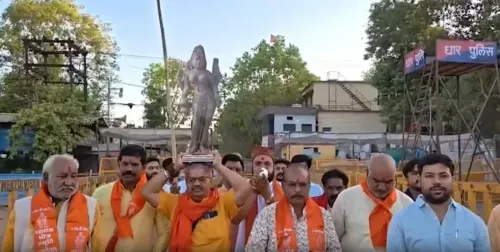
Abdul Samad of the Kamal Maula Welfare Society alleged that Hindu idols and structures were brought into the Bhojshala complex only after the ASI's 2003 order .
The Muslim side claims it filed objections with the District Magistrate and ASI officials over the additions but received no satisfactory response.
Senior advocate Salman Khurshid appeared via video conferencing, arguing the 2024 ASI survey was conducted in a pre-planned manner favouring the Hindu side.
Advocate Noor Ahmed Sheikh confirmed the Muslim side will challenge the Madhya Pradesh High Court verdict in the Supreme Court ; namaz at the site is barred until then.
The High Court recognised Bhojshala as a Hindu temple and the property of King Bhoj , dismissing petitions from both the Muslim side and the Jain community .
The court suggested the state government consider allocating alternative land for a mosque for the Muslim community.
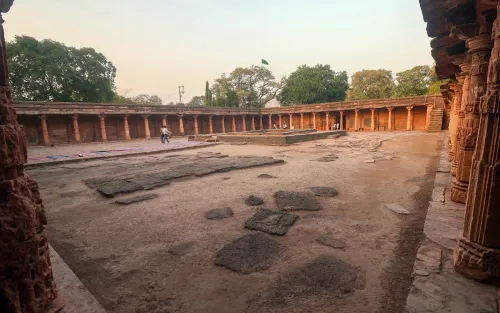
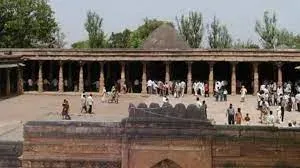
The Muslim side in the Bhojshala-Kamal Maula Mosque dispute has alleged that Hindu idols and structures were brought into the complex only after the Archaeological Survey of India (ASI) issued its 2003 order permitting Hindus to perform worship on Tuesdays — a claim raised in the wake of the Madhya Pradesh High Court ruling that recognised the site as a Hindu temple and the property of King Bhoj. The Muslim side has confirmed it will challenge the High Court's order before the Supreme Court.
What the Muslim Side Alleged
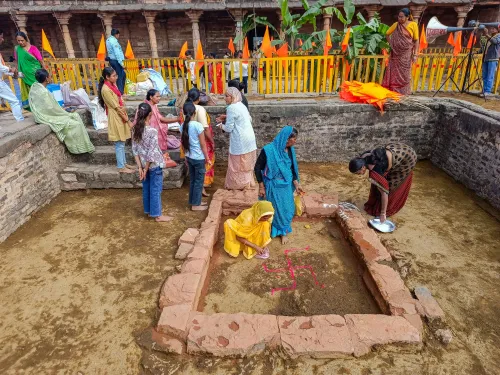
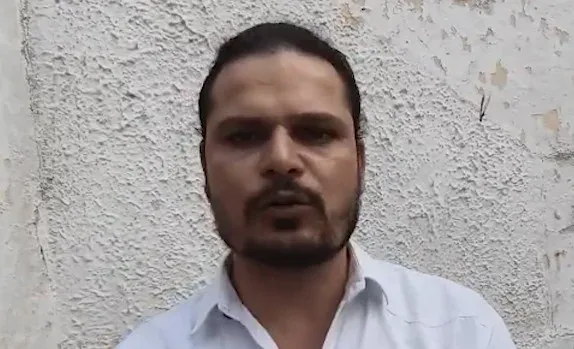
Abdul Samad, President of the Kamal Maula Welfare Society and a petitioner representing the Muslim side, said the character of the monument changed after the ASI's 2003 arrangement came into effect. 'After Hindus were allowed to perform worship on Tuesdays following ASI's 2003 order, they have done different things inside the complex due to which the nature of the monument has changed,' Samad said.
He further alleged: 'After 2003, structures and idols have been brought and kept inside the complex. We had submitted objections against such things to the District Magistrate as well as to ASI officials.' Samad added that the Muslim side had sought records from ASI and other departments but was told none existed — yet, he argued, the survey report of 2024 referenced those very structures and idols.
Objections to ASI Survey Methodology
Samad also raised procedural concerns about the ASI survey itself, claiming that scientific methods were not followed during the process. He questioned why structures and idols — for which ASI reportedly had no records — were nonetheless incorporated into the 2024 survey report.
Senior advocate Salman Khurshid appeared on behalf of the Muslim side via video conferencing. According to Samad, Khurshid argued that 'the ASI survey was conducted in a pre-planned manner and to help the petitioners of the other (Hindu) side.' The Muslim side's core demand remains: 'Let them (Hindu side petitioners) produce one legal document that proves that the complex was initially a temple and was demolished.'
Lawyers Confirm Supreme Court Appeal
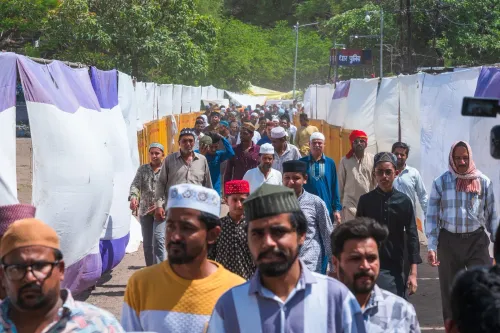
Advocate Noor Ahmed Sheikh, appearing for the Muslim side, confirmed: 'We are definitely going to challenge the Madhya Pradesh High Court's order in the Supreme Court.' He also clarified that under the current High Court order, namaz cannot be held at the site unless the Supreme Court intervenes.
Advocate Arshad Warsi, also representing the Muslim side, said the court had considered only the ASI report while dismissing the community's submissions. 'Our facts have not been considered at all,' he said. Warsi, however, acknowledged that the court had given both sides adequate opportunity to present their arguments, adding: 'We won't raise question on the sanctity of the court but since we are not satisfied with the court order, we will challenge it.'
What the High Court Ruled
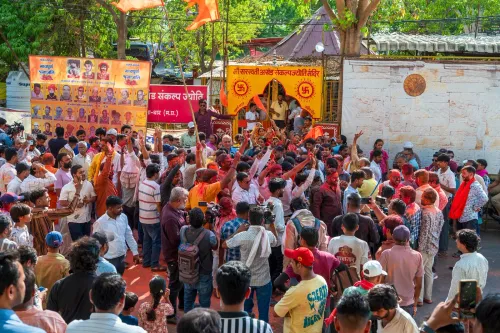
The Madhya Pradesh High Court recognised the Bhojshala complex as a Hindu temple and the property of King Bhoj, revoking the ASI's 2003 order and granting the Hindu side exclusive rights to perform worship at the site. Petitions filed by both the Muslim side and the Jain community were dismissed. In a gesture toward the Muslim community, the court suggested that the state government consider allocating alternative land for a mosque, should it so desire.
What Happens Next
With the Muslim side set to approach the Supreme Court, the Bhojshala-Kamal Maula dispute is poised to enter a new legal chapter. The case follows a pattern of contested heritage-site litigation in India where archaeological surveys, historical ownership claims, and religious rights intersect — and where lower-court verdicts are rarely the final word.
Point of View
And it could shape how the Supreme Court frames its review. What is often missed in coverage of such disputes is the evidentiary asymmetry: archaeological surveys are treated as near-definitive, yet the methodology and chain of custody for site documentation are rarely subjected to independent scrutiny. The High Court's suggestion of alternative land for a mosque, while conciliatory in tone, sidesteps the harder constitutional question of whether the 2003 ASI order created enforceable rights that were extinguished without due process. The Supreme Court will have to weigh heritage law, religious rights, and the integrity of the survey process simultaneously — a combination that rarely yields a swift resolution.
NationPress
23 Sept 2026
Frequently Asked Questions
What did the Madhya Pradesh High Court rule on the Bhojshala case?
The Madhya Pradesh High Court recognised the Bhojshala complex as a Hindu temple and the property of King Bhoj, revoking the ASI's 2003 order and granting the Hindu side exclusive worship rights. Petitions by both the Muslim side and the Jain community were dismissed.
What is the Muslim side's main allegation after the verdict?
The Muslim side, led by Abdul Samad of the Kamal Maula Welfare Society, alleges that Hindu idols and structures were brought into the complex only after the ASI's 2003 order — and that the 2024 ASI survey cited these additions despite the agency reportedly having no prior records of them.
Will the Muslim side appeal the High Court order?
Yes. Advocate Noor Ahmed Sheikh confirmed the Muslim side will file an appeal in the Supreme Court. Until the Supreme Court intervenes, namaz cannot be held at the Bhojshala-Kamal Maula site under the current High Court order.
What role did Salman Khurshid play in the Bhojshala case?
Senior advocate Salman Khurshid appeared on behalf of the Muslim side via video conferencing. He argued that the ASI survey was conducted in a pre-planned manner designed to favour the Hindu side petitioners.
What has the High Court suggested for the Muslim community?
The Madhya Pradesh High Court suggested that the state government consider allocating alternative land for a mosque for the Muslim community, though this remains a recommendation and not a binding directive.