Bhojshala security tightened in Dhar after HC rules site a Saraswati temple
Synopsis
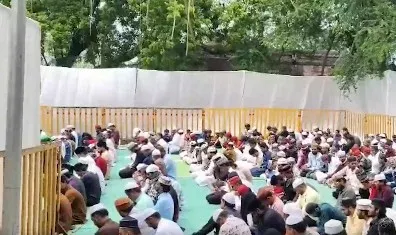
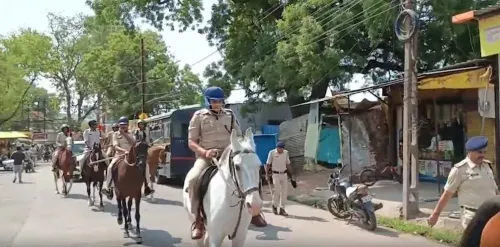
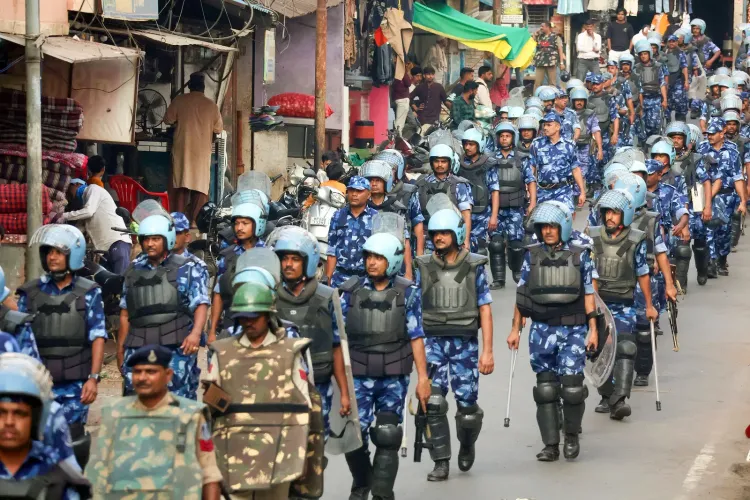
Days after the Madhya Pradesh High Court declared Bhojshala a Saraswati temple and dismissed Muslim claims over the site, Dhar's administration launched a flag march through sensitive areas and deployed heavy security ahead of a Friday religious programme — the first major event under the new legal order. The SP publicly warned against spreading 'misleading interpretations' of the verdict on social media.
Key Takeaways
Dhar administration conducted a flag march on 21 May through sensitive areas including Hatwara ahead of Friday's Bhojshala religious programme.
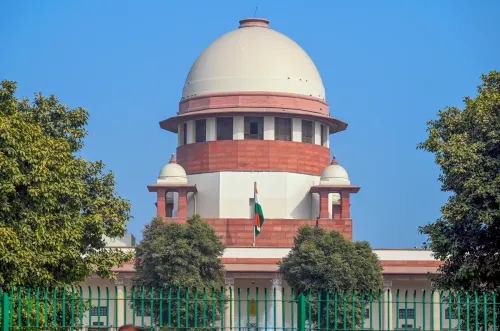
The MP High Court's Indore bench on 15 May declared the Bhojshala complex a temple of goddess Vagdevi (Saraswati) , dismissing the Muslim community's claim.
SP Sachin Sharma issued a 'final warning' against spreading misleading interpretations of the court order on social media.
Collector Rajiv Ranjan Meena appealed for communal harmony and warned of strict action against anyone disturbing law and order.
Additional police forces have been deployed at sensitive locations; surveillance around the Bhojshala complex has been intensified.
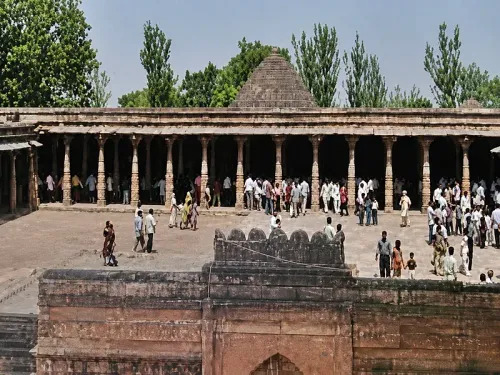
Dhar district administration ramped up security on Thursday, 21 May ahead of a major religious programme at the Bhojshala complex on Friday, conducting a flag march through sensitive localities and issuing sharp warnings against any attempt to disturb communal harmony. The heightened measures follow the Indore bench of the Madhya Pradesh High Court's landmark 15 May order in the long-running Bhojshala-Kamal Maula Mosque dispute.
The High Court Order
The court declared the disputed site a temple of goddess Vagdevi (Saraswati), granting the Hindu community the right to worship there and dismissing the Muslim community's claim over the complex. The ruling has reignited community tensions in the district, prompting the administration to move swiftly on ground-level preparedness ahead of Friday's event.
Flag March and Security Deployment
Police personnel armed with batons and automatic weapons marched through several parts of Dhar, including the sensitive Hatwara area, on motorcycles, jeeps, and horses. Patriotic songs were played during the march as an appeal for peace and brotherhood. Additional forces have been deployed at sensitive locations across the district, and surveillance has been intensified in and around the Bhojshala complex to prevent any untoward incident.
What the Officials Said
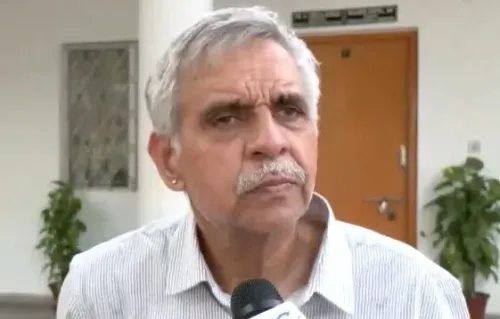
Dhar Collector Rajiv Ranjan Meena and Superintendent of Police Sachin Sharma personally reviewed the security arrangements and interacted with residents during the march. Addressing people in Hatwara, SP Sharma issued a direct warning against those circulating misleading interpretations of the High Court order on social media or other platforms.
'I am issuing a final warning to those spreading misleading interpretations of the High Court verdict. From now onwards, only the law will prevail,' Sharma said. He added: 'We are fully prepared to handle any situation. Those trying to create unrest will face strict action.'
Collector Meena appealed to citizens to cooperate with the administration and avoid rumours. 'People should maintain peace and communal harmony. Strict action will be taken against anyone trying to disturb law and order,' he said.
Background and Context
The Bhojshala complex has been a flashpoint for decades, with Hindu groups asserting it is a temple built by the 11th-century king Raja Bhoj, while Muslim groups maintain that the Kamal Maula Mosque within the premises is a place of active worship. The site had previously been governed by a shared-access arrangement overseen by the Archaeological Survey of India (ASI). The High Court's 15 May ruling marks a significant shift in that status quo, making Friday's religious programme the first major event under the new legal framework.
What Happens Next
The administration has signalled zero tolerance for any disruption during Friday's programme. With the legal status of the site now altered by judicial order, the event is being watched closely as a test of how the new arrangement is implemented on the ground. Authorities have urged all communities to respect the court's order and maintain peace.
Point of View
Ending a decades-old shared-access arrangement that, however imperfect, had contained tensions. The administration's unusually visible response — flag marches, armed deployments, and a public 'final warning' on social media — signals that officials are acutely aware of the flashpoint risk. What the order does not resolve is the deeper question of how both communities coexist at the site going forward. A judicial declaration of ownership settles a legal dispute; it does not, by itself, settle the social one. The real test begins on Friday.
NationPress
6 Oct 2026
Frequently Asked Questions
What did the Madhya Pradesh High Court rule about Bhojshala?
The Indore bench of the Madhya Pradesh High Court on 15 May declared the Bhojshala complex a temple of goddess Vagdevi (Saraswati), allowing the Hindu community to worship there. The court simultaneously dismissed the Muslim community's claim over the site, which had also housed the Kamal Maula Mosque.
Why has security been tightened in Dhar?
Security has been tightened ahead of a major religious programme at the Bhojshala complex on Friday, 22 May, the first such event since the High Court's 15 May ruling changed the site's legal status. Authorities are guarding against communal tension in the district.
What did Dhar SP Sachin Sharma warn against?
SP Sharma issued a 'final warning' to those spreading misleading interpretations of the High Court verdict on social media or other platforms, stating that 'only the law will prevail' and that strict action would follow any attempt to create unrest.
What is the historical background of the Bhojshala dispute?
The Bhojshala complex is claimed by Hindu groups as a temple built by 11th-century king Raja Bhoj, while Muslim groups regard the Kamal Maula Mosque within the premises as an active place of worship. The site was previously under a shared-access arrangement overseen by the Archaeological Survey of India (ASI).
Who reviewed the security arrangements in Dhar?
Dhar Collector Rajiv Ranjan Meena and Superintendent of Police Sachin Sharma personally reviewed the security arrangements and interacted with local residents during the flag march on 21 May.