Bhojshala temple: Devotees perform puja, chant Hanuman Chalisa after HC verdict
Synopsis
A day after the Madhya Pradesh High Court declared Bhojshala a Hindu temple, hundreds of devotees gathered in Dhar for the first unrestricted puja at the 11th-century complex — ending a decades-old arrangement that had limited Hindu access to a single day a year and barring Friday Muslim prayers from the site.
Key Takeaways
The Indore Bench of the Madhya Pradesh High Court on 15 May officially recognised Bhojshala in Dhar as a temple dedicated to Goddess Vagdevi Saraswati .
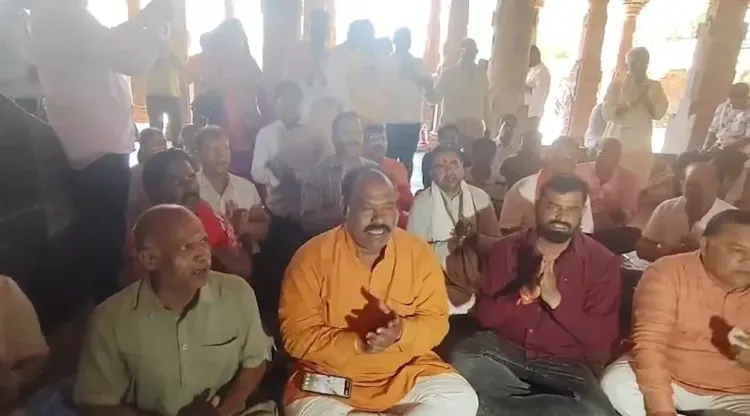
Hundreds of devotees performed puja and recited the Hanuman Chalisa on 16 May — the first formal day of unrestricted daily Hindu worship.
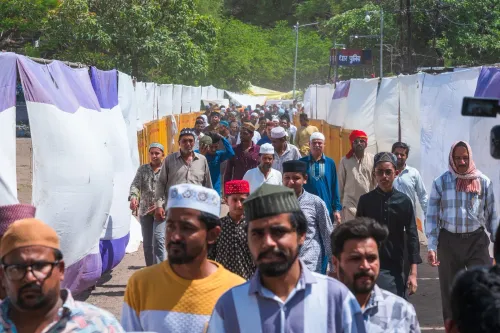
The court ruled that the Muslim community would no longer offer Friday prayers at the complex, but granted them the right to seek alternative land in Dhar district for a mosque.
In 2003 , a Congress government order had restricted Hindu worship at the site to Basant Panchami alone; a subsequent police lathi-charge killed three people .
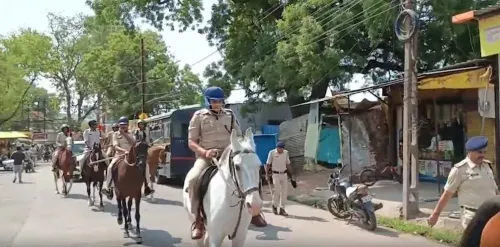
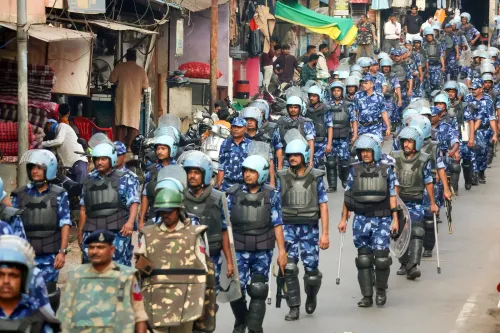
Heavy security, including a flag march and digital surveillance , was deployed to maintain order in Dhar .
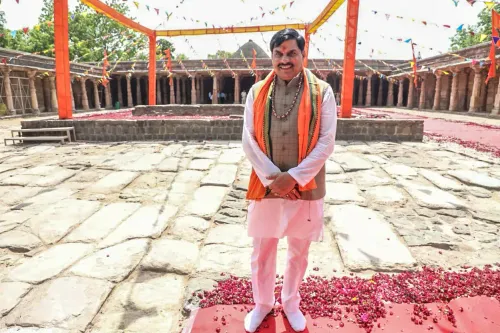
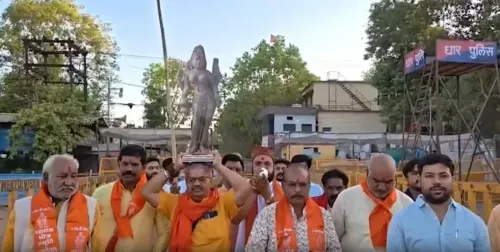
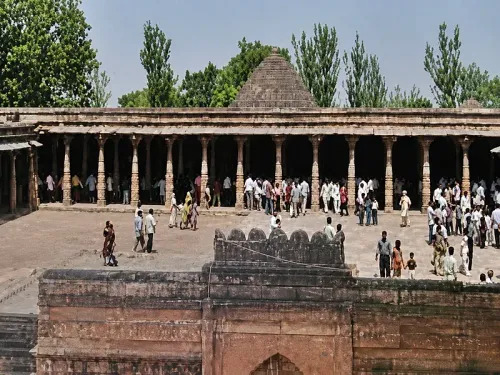
The historic Bhojshala complex in Dhar, Madhya Pradesh, witnessed its first formal day of unrestricted daily Hindu worship on Saturday, 16 May, a day after the Indore Bench of the Madhya Pradesh High Court officially recognised the eleventh-century structure as a temple dedicated to Goddess Vagdevi Saraswati. Hundreds of devotees thronged the site, performing puja and reciting the Hanuman Chalisa in an atmosphere of celebration.
What the Court Ruled
In its ruling delivered on Friday, 15 May, the High Court formally declared Bhojshala a Hindu temple, effectively dismantling a decades-old arrangement that had restricted Hindu worship at the site. The court further ruled that the Muslim community would no longer be permitted to offer Friday prayers within the premises. It did, however, grant them the right to seek alternative land within Dhar district for the construction of a mosque.
Celebrations at the Complex
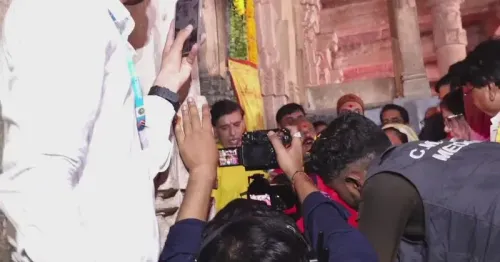
Members of the Bhoj Utsav Samiti joined hundreds of devotees on Saturday morning to perform puja in strict adherence to Vedic customs. Among those present were patron Vishwas Pandey, Bhojshala Mukti Yagna coordinator Gopal Sharma, Shreesh Dubey, Keshav Sharma, and Ashok Jain. All offered flowers and prostrated before the shrine of Goddess Vagdevi and the Yagya Kund.
A Decades-Long Legal and Social Battle
Ashok Jain, patron of the Bhoj Utsav Committee, described the verdict as the culmination of years of sustained legal and social effort. Speaking to the media, Jain recalled that every year on Basant Panchami, committee members would visit the site to press their demand to retrieve the idol of Goddess Saraswati from London.
He said the situation escalated in 2003 when the Congress government led by Digvijaya Singh issued an order stipulating that members of the Hindu community could visit Bhojshala to offer prayers on only one day of the year — Basant Panchami. The order drew significant opposition.
'On Basant Panchami in 2003, while members of the Hindu community were gathered there to press their demands, the police resorted to a lathi-charge. Three individuals were killed, and many others sustained injuries during that incident,' Jain said. He noted that the incident occurred on 18 February, when three members of the Hindu community lost their lives.
'This victory has been achieved only after a prolonged struggle spanning many years. Today is a day of great joy as a large number of devotees are visiting the temple with enthusiasm for darshan,' Jain added.
Security and Administration
Ahead of the first day of open worship, the district and police administration conducted a flag march on major roads in Dhar on Friday. Police remained deployed in full strength on Saturday, and district officials continued to monitor the situation closely through executive magistrates and digital surveillance to prevent any disruptions.
What Comes Next
With the court's recognition now in effect, daily Hindu worship at Bhojshala is expected to continue uninterrupted. The Muslim community has been granted the right to approach authorities for alternative land in Dhar district for a mosque, though the process and timeline for that remain unclear. The administration's continued deployment signals that authorities are taking no chances as the new arrangement settles in.
Point of View
With outcomes that inevitably reconfigure communal arrangements on the ground. The ruling's grant of alternative mosque land to the Muslim community is a notable attempt at balance, but the practical execution of that provision will be the real test. The 2003 lathi-charge and the decades of restricted access that preceded it are a reminder that administrative decisions on shared sacred spaces carry long and sometimes violent afterlives. Whether Dhar's administration can sustain the current calm without that history resurfacing depends as much on political will as on police deployment.
NationPress
16 Sept 2026
Frequently Asked Questions
What did the Madhya Pradesh High Court rule about Bhojshala?
The Indore Bench of the Madhya Pradesh High Court ruled on 15 May that the Bhojshala complex in Dhar is a temple dedicated to Goddess Vagdevi Saraswati. The court ended the previous arrangement, restoring unrestricted daily Hindu worship and ruling that the Muslim community could no longer offer Friday prayers at the site.
What is Bhojshala and why is it disputed?
Bhojshala is an 11th-century structure in Dhar, Madhya Pradesh, historically associated with King Bhoja and believed by Hindus to be a temple to Goddess Saraswati. It has been contested for decades, with Muslims also using part of the complex for Friday prayers under an arrangement that restricted Hindu access to Basant Panchami alone.
What happened at Bhojshala in 2003?
In 2003, the Congress government led by Digvijaya Singh issued an order limiting Hindu worship at Bhojshala to one day a year — Basant Panchami. When devotees gathered on 18 February 2003 to protest the restriction, police carried out a lathi-charge in which three people were killed and many others were injured.
What rights does the Muslim community retain after the verdict?
The court ruled that Friday prayers by the Muslim community would no longer be permitted within the Bhojshala premises. However, it granted the community the right to seek alternative land within Dhar district for the construction of a mosque.
What security measures are in place in Dhar after the verdict?
The district and police administration conducted a flag march on major roads in Dhar on Friday, 15 May. Police remained deployed in full strength on Saturday, with executive magistrates and digital surveillance systems monitoring the situation to prevent any disruptions.