MP CM Yadav visits Bhojshala after court ruling, plans Dhar tourism push
Synopsis
Ten days after the Madhya Pradesh High Court declared Bhojshala a Hindu temple, CM Mohan Yadav made a pointed first visit to the site and announced a tourism push for Dhar — even as the Muslim community's Supreme Court petition keeps the dispute legally alive.
Key Takeaways
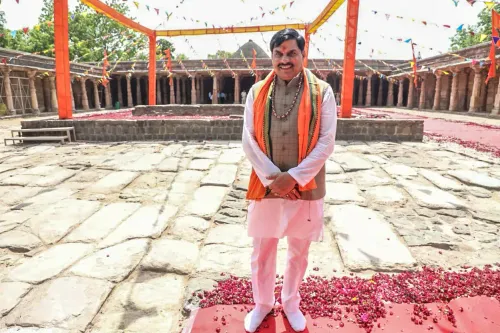
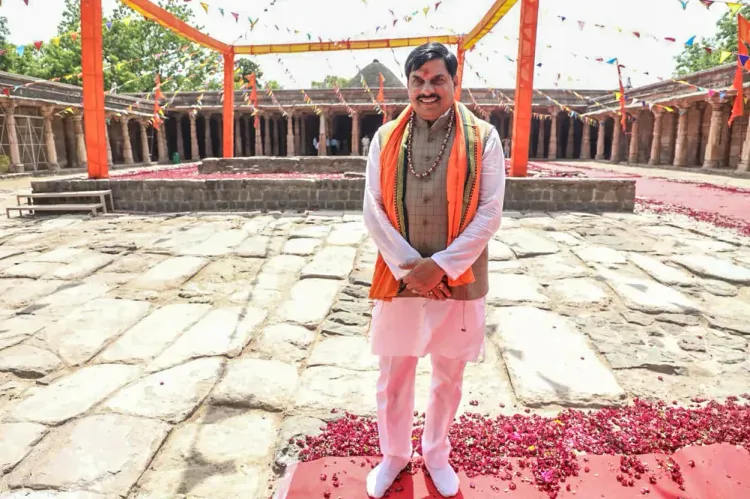
MP CM Mohan Yadav visited the Bhojshala complex in Dhar on 25 May , offering prayers on Ganga Dussehra .
The visit was his first since the MP High Court's Indore Bench declared the site a Hindu temple on 15 May .
The court quashed a 2003 ASI order that had allowed restricted access for both communities and directed full Hindu worship rights.
Yadav announced plans to develop Dhar as a major tourism and cultural destination, linked to the Jal Ganga Conservation Campaign .
The Muslim community has filed a special leave petition in the Supreme Court , calling the High Court order one-sided.
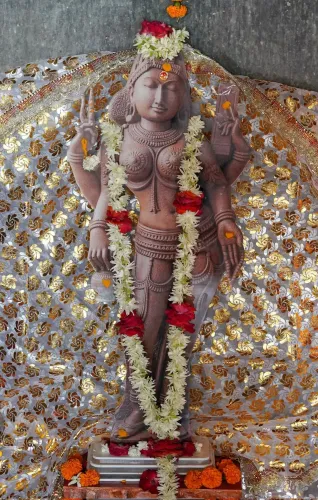
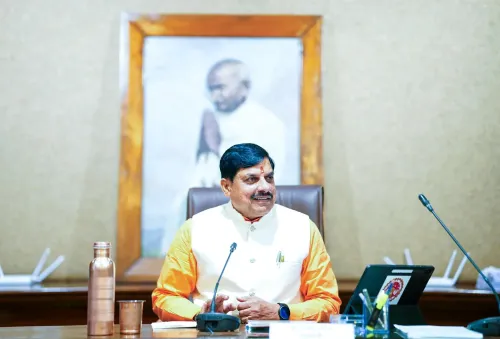
Madhya Pradesh Chief Minister Mohan Yadav on Monday, 25 May visited the historic Bhojshala complex in Dhar district and offered prayers to Goddess Vagdevi on the occasion of Ganga Dussehra, marking his first visit to the site since the Indore Bench of the Madhya Pradesh High Court declared it a Hindu temple on 15 May. The visit carried clear symbolic weight, coming just ten days after a verdict that reshaped the legal and religious status of one of central India's most contested heritage sites.
The Court Ruling That Changed Everything
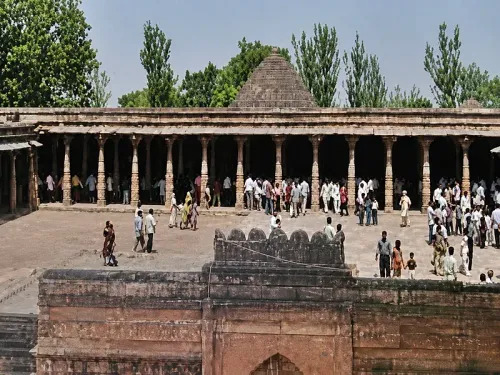
The Madhya Pradesh High Court's Indore Bench, in its 15 May order, declared the religious character of the Bhojshala-Kamal Maula complex to be that of a Hindu temple, observing that the site was originally dedicated to Goddess Saraswati and historically functioned as a centre of Sanskrit learning. The court quashed a 2003 Archaeological Survey of India (ASI) order that had permitted restricted access for both communities, and directed authorities to facilitate full worship rights for Hindus while suggesting alternative land for a mosque.
Hindus regard the complex as an ancient centre of learning established during the reign of Raja Bhoj of the Parmar dynasty in the 11th century, housing a temple of Vagdevi. Muslims have traditionally referred to a portion of the site as the Kamal Maula Mosque and had offered namaz there on Fridays for decades under the previous arrangement.
What CM Yadav Said
'After the honourable court's decision, I have come here today for darshan and puja. Dhar will also receive benefits from several development initiatives under our Jal Ganga Conservation Campaign and other projects,' Yadav said after offering prayers. He added: 'We hope Dhar will be recognised in a new form. We will undertake several development works, including boosting tourism, generating employment opportunities and expanding educational institutions and opportunities.'
Yadav also linked the region's development roadmap to the state government's broader water conservation drive, noting that Madhya Pradesh was 'playing a leading role in water conservation' through community participation across every district.
Dhar as a Tourism and Cultural Hub
The Chief Minister said the state government was preparing plans to boost tourism, improve infrastructure, and create employment in the Dhar region. The Bhojshala complex, given its association with the Parmar dynasty and Sanskrit scholarship, is already a site of historical significance; the government appears to be positioning the court verdict as an opportunity to accelerate cultural tourism investment in the area.
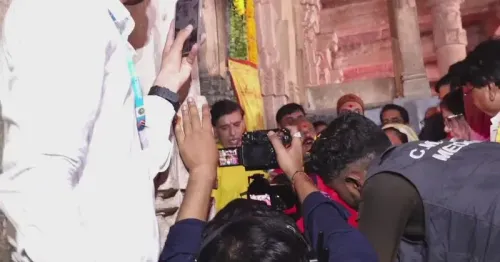
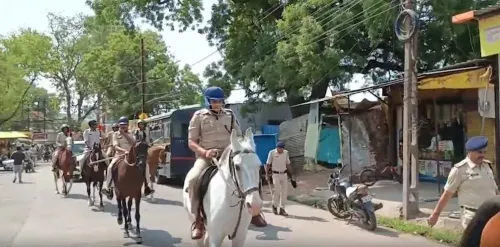
A large number of Bharatiya Janata Party (BJP) workers, local residents, and devotees gathered near the complex during the visit. Senior police and administrative officials were deployed on-site, with security arrangements tightened across the premises.
Muslim Community Moves Supreme Court
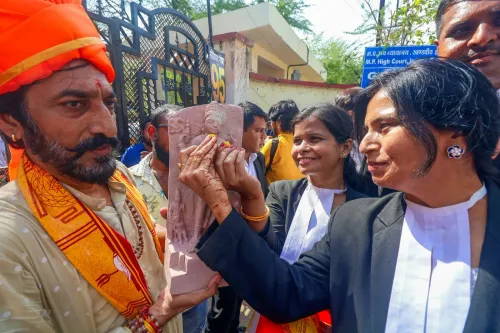
The High Court ruling has not gone unchallenged. The Muslim community has filed a special leave petition before the Supreme Court, with petitioners describing the High Court order as one-sided and maintaining that namaz had been offered at the site continuously for the last 700 years. The matter is now sub judice at the apex court level, and the dispute's final resolution remains pending.
This is not the first time the Bhojshala complex has drawn national attention — the site has been a flashpoint for communal tensions periodically since the early 1990s, and the 2003 ASI arrangement itself was a compromise born of those tensions. With the Supreme Court petition now filed, the legal contest over one of Madhya Pradesh's most sensitive heritage sites is far from over.
Point of View
Making any future rollback politically costlier. What the government has not yet addressed is how infrastructure investment will proceed while the Supreme Court petition remains active — a legal uncertainty that could complicate both private investment and community relations in the district.
NationPress
20 Sept 2026
Frequently Asked Questions
What did the Madhya Pradesh High Court rule about Bhojshala?
The Indore Bench of the Madhya Pradesh High Court, in a 15 May order, declared the Bhojshala-Kamal Maula complex a Hindu temple, observing it was originally dedicated to Goddess Saraswati and served as a Sanskrit learning centre. The court quashed a 2003 ASI order permitting shared access and directed authorities to facilitate full Hindu worship rights, while suggesting alternative land for a mosque.
Why is the Bhojshala complex disputed?
Hindus regard Bhojshala as an 11th-century temple of Goddess Vagdevi built during the reign of Raja Bhoj of the Parmar dynasty. Muslims refer to part of the site as the Kamal Maula Mosque and had offered Friday namaz there for decades under a 2003 ASI arrangement. The competing claims over the same structure have made it one of Madhya Pradesh's most sensitive heritage disputes.
What development plans did CM Yadav announce for Dhar?
Chief Minister Mohan Yadav said the state government would focus on boosting tourism, improving infrastructure, creating employment, and expanding educational institutions in Dhar. He also linked the plans to the state's Jal Ganga Conservation Campaign, which he said was being implemented across every district through community participation.
Has the High Court verdict been challenged?
Yes. The Muslim community has filed a special leave petition before the Supreme Court, describing the High Court order as one-sided and arguing that namaz had been offered at the site continuously for 700 years. The matter is currently sub judice at the apex court.
What was the 2003 ASI order that the court quashed?
The Archaeological Survey of India's 2003 order had established a shared-access arrangement at Bhojshala, allowing Hindus to worship on Tuesdays and Muslims to offer Friday namaz. The Madhya Pradesh High Court struck down this arrangement on 15 May, ruling that the site's religious character was that of a Hindu temple.