MP High Court to Hear Bhojshala Dispute ASI Report Tomorrow

Synopsis
The Bhojshala dispute's long-awaited hearing is approaching, set for March 16 at the Madhya Pradesh High Court. This pivotal case will examine the ASI survey report, influencing worship access and monument preservation.
Key Takeaways
Hearing Date: March 16 at the Madhya Pradesh High Court.
Survey Duration: Conducted over ninety-eight days by the ASI.
Objections Filed: Muslim representatives raised several objections to the ASI report.
Current Worship Practices: Hindus and Muslims have designated days for worship.
Security Measures: Authorities are ensuring peace during the proceedings.
Bhopal, March 15 (NationPress) An important hearing regarding the long-standing Bhojshala dispute is set to take place on March 16 at the Indore bench of the Madhya Pradesh High Court.
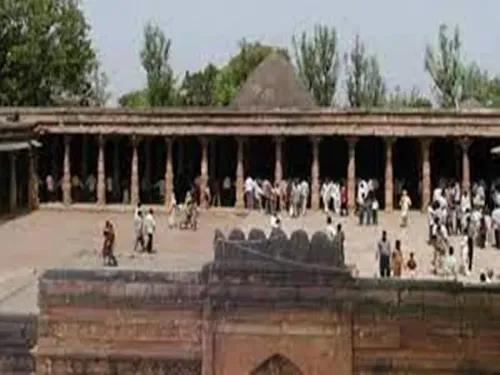
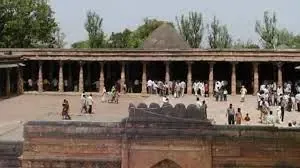
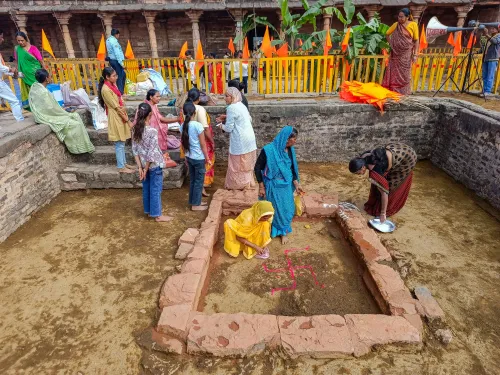
This case involves the historic site located in Dhar district, which is safeguarded by the Archaeological Survey of India (ASI). Previously, the court instructed the ASI to execute a comprehensive scientific examination of the entire site utilizing contemporary techniques.
The survey extended over approximately ninety-eight days, culminating in the submission of a final report to the court in a sealed format. Upon the Supreme Court's directives, copies of this report were shared with all relevant parties.
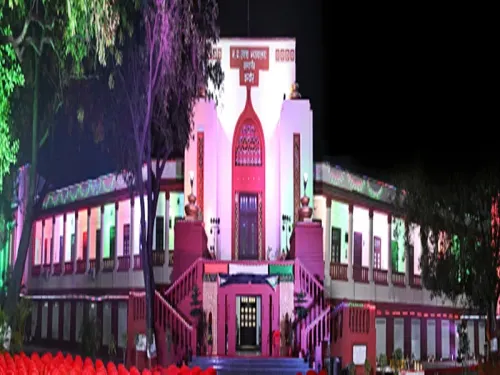
The High Court has now scheduled the matter for March 16, allowing all parties to present their objections, suggestions, and recommendations regarding the ASI's findings.
On this day, hearings pertaining to these specific objections will commence. Reports suggest that the Muslim representatives have raised several significant objections concerning the points highlighted in the survey document. These objections have also been communicated to the other involved parties. The court is expected to scrutinize these matters thoroughly during the sessions.
Besides the objections related to the survey document, the bench may also address other pending applications linked to the Bhojshala case.
Three distinct Muslim organizations have submitted applications to be included as parties in the ongoing petitions, and these requests are likely to be reviewed during the hearing.
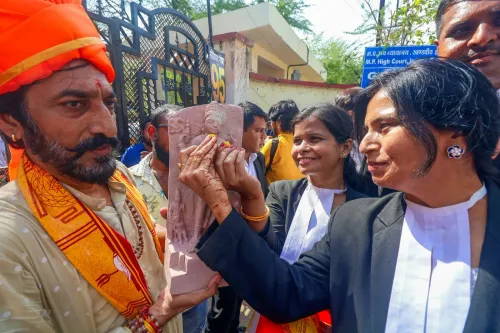
Several interconnected petitions are being processed concurrently, including the primary petition lodged by the Hindu Front for Justice, which seeks a declaration regarding the site's religious nature. Another petition has been filed by the Kamal Maulana Welfare Society.
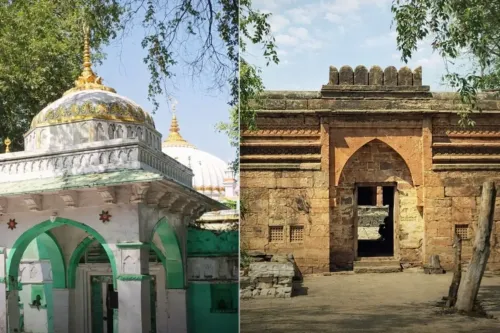
This dispute centers on a site that Hindus identify as the ancient temple of “Maa Vagdevi Saraswati,” while Muslims recognize it as the Kamal Maula mosque.
At present, Hindus are permitted to perform puja on Tuesdays, while Muslims conduct namaz on Fridays, according to a previous court order. The ASI survey aimed to clarify both historical and structural details of the monument through non-invasive, scientific methodologies.
The contents of this report are anticipated to be pivotal in determining future aspects of worship access and the preservation of this protected monument.
Dhar authorities have put in place the necessary security measures to ensure peace and order during the court proceedings.
Both communities are attentively monitoring the developments, as the resolution of this sensitive issue, which has persisted for many years, could be significantly influenced by the court's decisions.
Point of View
Cultural, and religious sentiments in India. As the court examines the ASI survey findings, it is crucial for the judiciary to uphold principles of fairness and justice, ensuring that the rights and beliefs of all communities are respected.
NationPress
29 Sept 2026
Frequently Asked Questions
What is the Bhojshala dispute?
The Bhojshala dispute involves a historic site in Dhar, Madhya Pradesh, which is claimed by both Hindus and Muslims, leading to ongoing legal battles over its religious significance.
What does the ASI survey report entail?
The ASI survey report includes detailed scientific findings about the Bhojshala site, aiming to clarify its historical and structural significance.
When is the hearing scheduled?
The hearing regarding the Bhojshala dispute is scheduled for March 16 at the Indore bench of the Madhya Pradesh High Court.
What are the current worship arrangements at the site?
Under a previous court order, Hindus are allowed to perform puja on Tuesdays, while Muslims offer namaz on Fridays.
How can the ASI report impact the dispute?
The ASI report is expected to play a central role in determining future access to worship at the site and the preservation of the monument.