HP CM Office Backs SHGs With Loans, Haat, Food Vans
Synopsis
The Chief Minister's Office of Himachal Pradesh has confirmed credit assistance for self-help groups, announced Himachal Haat under construction in Shimla for product marketing, allocated food vans to groups with more promised, and directed integration of all major departmental schemes into the Chief Minister's Dashboard.
Key Takeaways
Credit assistance for self-help groups in Himachal Pradesh has already been disbursed, according to the Chief Minister's Office .
Himachal Haat , a dedicated market facility for SHG products, is currently under construction in Shimla .
Food vans have been provided to self-help groups for mobile vending, with additional vans committed for future allocation.
All major departmental schemes are to be linked to the Chief Minister's Dashboard for real-time monitoring.
The measures build on the DAY-NRLM framework operational in the state since 2011 .
The Chief Minister's Office of Himachal Pradesh announced on Wednesday, 8 July 2026 a multi-pronged support package for self-help groups in the state, confirming that credit assistance has already been disbursed, a dedicated market facility called 'Himachal Haat' is under construction in Shimla, and food vans have been allocated to groups for mobile vending — with more vans promised in the future.
Context
The official post, shared from the @CMOFFICEHP handle, states: 'ऋण सहायता प्रदान की जा चुकी है' ('Credit assistance has already been provided'). It further confirms that Himachal Haat is being built in Shimla to serve as a dedicated marketing outlet for products made by self-help group members. Food vans have been handed over to groups, and the government has committed to supplying additional vans going forward.
A key administrative directive was also announced: all major departmental schemes are to be linked to the Chief Minister's Dashboard, a digital monitoring platform used by the state government for real-time oversight of scheme implementation.
Policy Backdrop
Himachal Pradesh's support to self-help groups draws on the framework of the Deendayal Antyodaya Yojana-National Rural Livelihoods Mission (DAY-NRLM), which has been operational since 2011 and has supported the formation and credit linkage of community groups across the state. The combination of credit access, physical market infrastructure, and mobile vending units follows a well-established playbook used by Indian state governments to strengthen rural livelihoods.
The construction of Himachal Haat in Shimla is designed to give self-help group producers a permanent, organised platform to sell their goods — addressing a persistent gap between production capacity and market reach that has historically limited the income gains of such groups.
Stakeholders and Impact
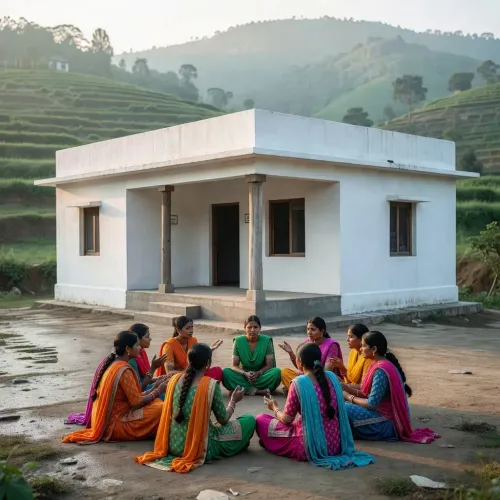
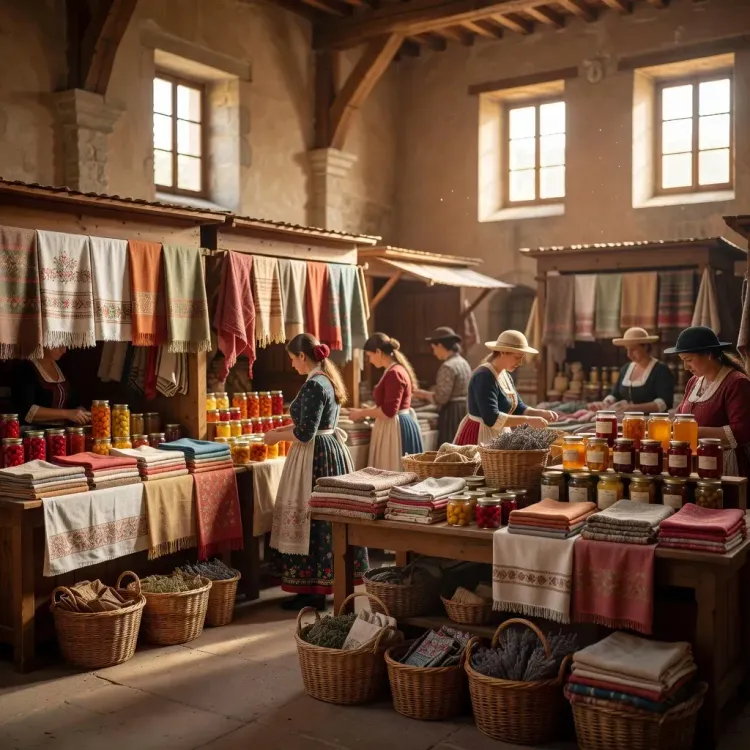
The primary beneficiaries are self-help groups across Himachal Pradesh, which are frequently women-led and engaged in food processing, handicrafts, and allied activities. Credit disbursement provides working capital, while food vans enable groups to reach consumers directly in urban and semi-urban markets without dependence on intermediaries.
The directive to integrate all major departmental schemes into the Chief Minister's Dashboard is significant for accountability: it signals an intent to make scheme-level progress visible to senior officials in real time, reducing the risk of implementation gaps going undetected.
What's Next
Progress on three fronts will determine the on-ground impact of these announcements: the pace of construction and eventual inauguration of Himachal Haat in Shimla; the scale and timeline of additional food van allocations; and the number of departmental schemes successfully integrated into the Chief Minister's Dashboard. If the dashboard integration is completed as directed, it could set a template for transparent, data-driven welfare delivery across the state's rural livelihoods sector.
Point of View
Market infrastructure, and mobile vending for self-help groups reflects a maturing approach to rural livelihoods policy — one that moves beyond credit alone toward end-to-end value-chain support. The directive to link all major schemes to the Chief Minister's Dashboard is the more consequential signal: it suggests the administration is betting on digital accountability as a tool to close the gap between policy announcement and ground-level delivery. If implemented rigorously, this could raise the bar for scheme monitoring across hill states facing difficult terrain and dispersed populations. The announcements also carry political weight ahead of any electoral cycle, as women-led SHGs represent a large and organised constituency in rural Himachal Pradesh.
NationPress
8 Jul 2026
Frequently Asked Questions
What is Himachal Haat and where will it be built?
Himachal Haat is a market infrastructure facility being constructed in Shimla by the Himachal Pradesh government to provide self-help groups a dedicated space to sell their products.
What credit assistance has Himachal Pradesh provided to self-help groups?
The Chief Minister's Office of Himachal Pradesh confirmed on 8 July 2026 that loan or credit assistance has already been disbursed to self-help groups, though the exact amounts and number of beneficiaries were not specified in the announcement.
What are the food vans announced by the HP CM Office?
Food vans are mobile vending units that have been allocated to self-help groups in Himachal Pradesh to help them market and sell their products directly to consumers, with more vans promised in the future.
What is the Chief Minister's Dashboard in Himachal Pradesh?
The Chief Minister's Dashboard is a digital monitoring platform used by the Himachal Pradesh government to track the implementation of major departmental schemes in real time. The CM Office has directed that all key schemes be integrated into it.
How does DAY-NRLM relate to self-help groups in Himachal Pradesh?
The Deendayal Antyodaya Yojana-National Rural Livelihoods Mission (DAY-NRLM), operational since 2011, provides the national policy framework under which Himachal Pradesh has supported the formation, credit linkage, and capacity building of self-help groups across the state.