CM Yogi targets SP over Hindu icons in sharp cultural salvo
Synopsis
CM Yogi Adityanath accused the Samajwadi Party on 8 July 2026 of distancing itself from Lord Ram and Krishna while holding Babur and Aurangzeb as ideals — a sharp cultural broadside ahead of the 2027 Uttar Pradesh assembly elections.
Key Takeaways
CM Yogi Adityanath posted on X on 8 July 2026 attacking the Samajwadi Party over its stance on Hindu deities.
He alleged that 'today's Samajwadis' do not believe in Lord Ram or Lord Krishna and instead revere Babur and Aurangzeb .
The BJP government in Uttar Pradesh has promoted Hindu cultural sites as state priorities since 2017 .
The Supreme Court's 2019 verdict enabling the Ram Temple in Ayodhya remains a cornerstone of BJP cultural messaging in UP.
Uttar Pradesh assembly elections are due in 2027 , and cultural identity is expected to be a central campaign theme.
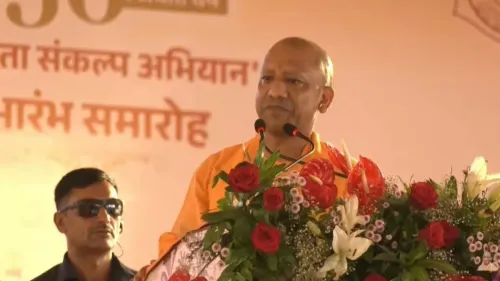
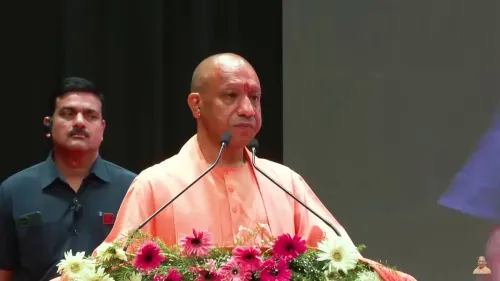
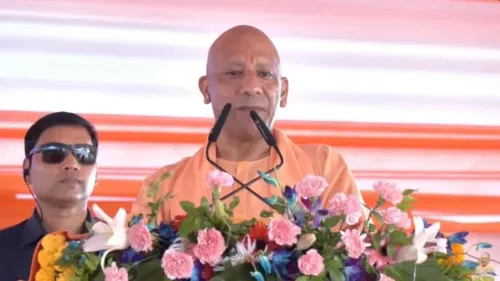
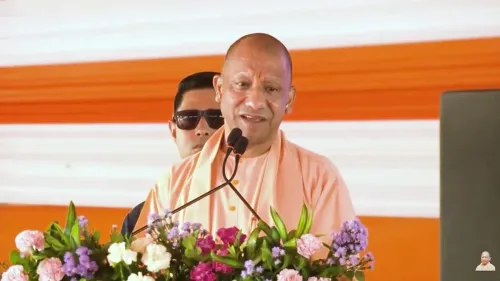
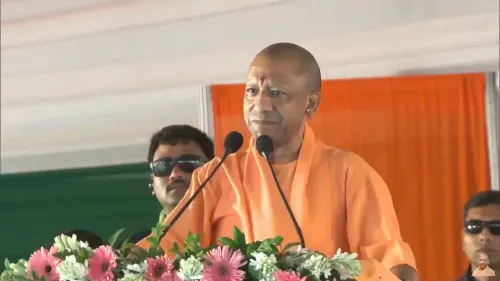
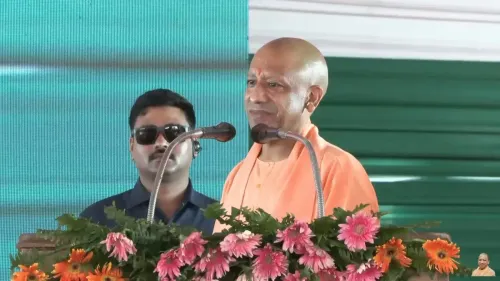
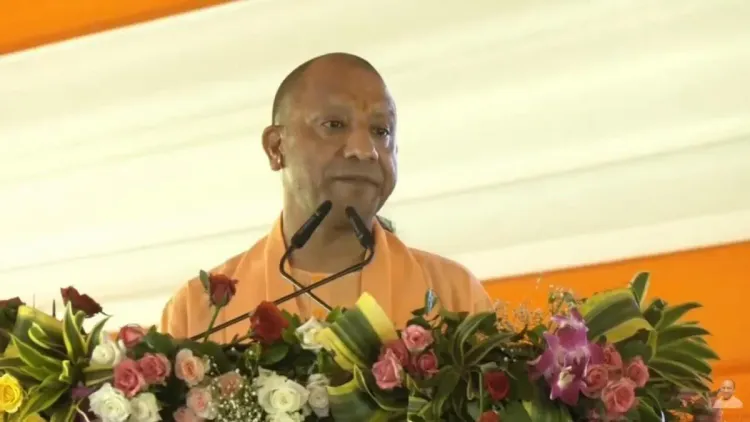
Uttar Pradesh Chief Minister Yogi Adityanath launched a pointed political attack on the Samajwadi Party on Wednesday, 8 July 2026, accusing the opposition of distancing itself from Lord Ram and Lord Krishna while holding Babur and Aurangzeb as ideals.
Posting on X, the Chief Minister wrote: '...lekin, aaj ke Samajwadi Prabhu Shri Ram se doori banate hain, Babur aur Aurangzeb ko apna aadarsh maante hain. Ve Prabhu Shri Ram aur Bhagwan Shri Krishna ko nahin maante...' — translated: 'But today's Samajwadis keep their distance from Lord Ram, consider Babur and Aurangzeb their ideals. They do not believe in Lord Ram and Lord Krishna.'
Context
Yogi Adityanath has consistently positioned the Bharatiya Janata Party (BJP) as the guardian of Hindu cultural heritage in Uttar Pradesh. The post, delivered in Hindi, frames the Samajwadi Party as ideologically opposed to the two most venerated deities in mainstream Hindu tradition. The contrast drawn — between reverence for Ram and Krishna on one side, and admiration for Mughal emperors Babur and Aurangzeb on the other — is a well-worn rhetorical device in UP's identity-driven politics.
Policy Backdrop
Since assuming office in 2017, Yogi Adityanath's government has elevated Hindu cultural sites and festivals to state-level priorities, most visibly through the promotion of Ayodhya as a pilgrimage and tourism hub. The Supreme Court's 2019 verdict clearing the path for the Ram Temple at Ayodhya handed the BJP a landmark cultural win that has since anchored party messaging in the state. Aurangzeb, the Mughal emperor who reigned from 1658 to 1707, and Babur, founder of the Mughal Empire in the 16th century, are regularly invoked in BJP narratives as symbols of historical religious conflict.
Stakeholders and Impact
The Samajwadi Party, which draws its core support from Yadav and Muslim communities in Uttar Pradesh, has historically styled itself as a socialist, secular formation. Yogi Adityanath's post seeks to exploit that coalition's internal tensions by suggesting that SP's outreach to Muslim voters comes at the cost of Hindu sentiment. Hindu voters across the state's rural and semi-urban belt — a decisive constituency in any UP election — are the primary audience for this messaging.
What's Next
Uttar Pradesh assembly elections are scheduled for 2027, and cultural rhetoric is expected to intensify as both the ruling BJP and the SP begin shaping their electoral narratives. Further state-level announcements related to heritage conservation, temple development, or religious festivals could follow as the BJP seeks to consolidate its cultural-nationalist base. The Samajwadi Party is likely to respond by defending its secular credentials and reframing the debate around economic and governance issues. How voters in Uttar Pradesh weigh cultural identity against livelihood concerns will be a defining question heading into the election cycle.
Point of View
Designed to draw a sharp moral contrast between the ruling party and its principal rival ahead of the 2027 assembly elections. By invoking Lord Ram and Lord Krishna alongside Babur and Aurangzeb, CM Yogi is activating a binary that has proved electorally potent in the state since the mid-2010s. The framing also puts the Samajwadi Party on the defensive, forcing it to either clarify its position on Hindu icons or risk being painted as hostile to majority sentiment. With the election still roughly a year away, the frequency and intensity of such messaging is likely to escalate.
NationPress
7 Oct 2026
Frequently Asked Questions
What did CM Yogi Adityanath say about the Samajwadi Party?
CM Yogi Adityanath said that today's Samajwadis distance themselves from Lord Ram and consider Babur and Aurangzeb their ideals, and that they do not believe in Lord Ram or Lord Krishna.
Why is CM Yogi criticising SP over Babur and Aurangzeb?
The BJP uses references to Mughal rulers Babur and Aurangzeb to frame the Samajwadi Party as favouring Muslim historical figures over Hindu deities, a recurring cultural-nationalist argument in Uttar Pradesh politics.
Who are Babur and Aurangzeb in the context of Indian politics?
Babur was the 16th-century founder of the Mughal Empire, and Aurangzeb was a Mughal emperor who ruled from 1658 to 1707. Both are frequently cited in BJP political messaging as symbols of historical religious conflict.
When are the next Uttar Pradesh assembly elections?
The next Uttar Pradesh assembly elections are scheduled for 2027, and cultural identity is expected to be a major campaign theme.
What is the Ram Temple connection to CM Yogi's remarks?
The Supreme Court's 2019 verdict cleared the way for the Ram Temple in Ayodhya, a landmark cultural achievement that the BJP has made central to its political identity in Uttar Pradesh under CM Yogi Adityanath.