CM Majhi Hails DRDO's Pinaka LRGR Test at Chandipur
Synopsis
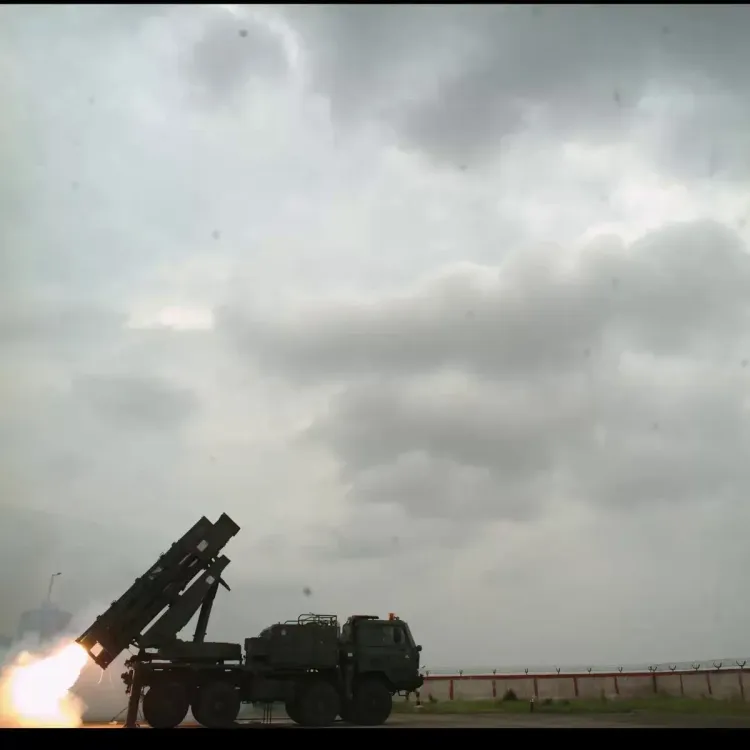
Odisha Chief Minister Mohan Charan Majhi congratulated DRDO on the successful test of the Pinaka Long Range Guided Rocket at ITR Chandipur, calling it a milestone in India's push for indigenous precision strike capabilities under the Aatmanirbhar Bharat initiative.
Key Takeaways
CM Mohan Charan Majhi publicly congratulated DRDO and all stakeholders on the successful Pinaka LRGR test on 8 July 2026 .
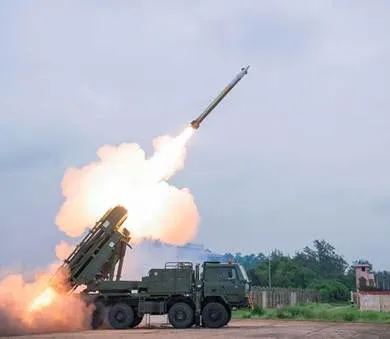
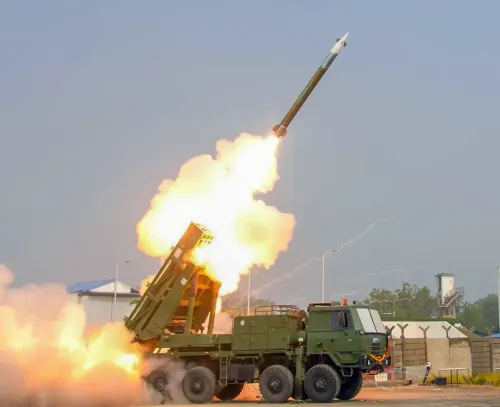
The Pinaka Long Range Guided Rocket (LRGR) is a precision-guided, extended-range variant of the Pinaka multi-barrel rocket launcher system developed indigenously by DRDO .
The test was conducted at the Integrated Test Range (ITR), Chandipur , located in Odisha — India's primary east-coast missile and rocket trial facility.
The Pinaka programme dates to the 1980s ; the guided variant has been progressively tested at Chandipur since 2016 .
The milestone is framed within the Aatmanirbhar Bharat Abhiyan , launched in May 2020 , which targets indigenous defence manufacturing and reduced import dependence.
The next steps involve formal Indian Army user trials and potential induction decisions for Pinaka LRGR regiments.
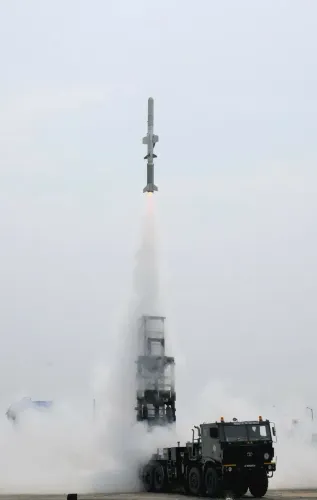
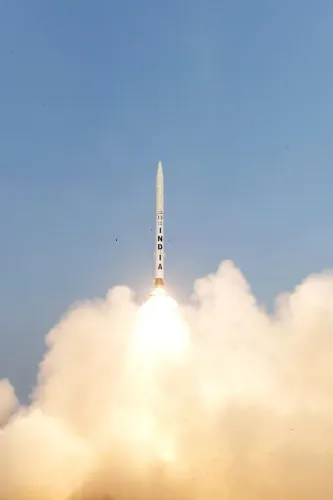
Odisha Chief Minister Mohan Charan Majhi on Wednesday, 8 July 2026, congratulated DRDO and all stakeholders on the successful test of the Pinaka Long Range Guided Rocket (LRGR) at the Integrated Test Range (ITR), Chandipur, calling the achievement a reflection of India's growing indigenous defence capabilities.
Context
Posting on X, CM Majhi wrote: 'Heartiest congratulations to DRDO and all stakeholders on the successful test of the Pinaka Long Range Guided Rocket (LRGR) at ITR, Chandipur. This achievement reflects India's growing strength in indigenous defence technology and precision strike capabilities, further advancing our journey towards an Aatmanirbhar Bharat.'
The congratulatory post is notable given that the ITR Chandipur facility is located in Odisha, making the test directly relevant to the state's growing role as a hub for national defence trials. The Pinaka LRGR is a guided, extended-range variant of the battle-proven Pinaka multi-barrel rocket launcher system developed entirely by DRDO.
Policy Backdrop
The Pinaka programme traces its origins to the 1980s, when DRDO began developing an indigenous multi-barrel rocket launcher to reduce dependence on foreign artillery systems. The baseline Pinaka Mk-I was inducted into the Indian Army by the early 2000s, and guided variants have been progressively tested at ITR Chandipur since 2016, with each iteration pushing range and accuracy further.
The broader policy framework driving such milestones is the Aatmanirbhar Bharat Abhiyan, announced in May 2020, which set ambitious targets for indigenous defence manufacturing and introduced successive positive indigenisation lists banning imports of specific weapon categories. Since 2014, the central government has also raised the FDI cap in defence, corporatised ordnance factories, and issued updated Defence Production and Export Promotion Policies to accelerate domestic capability-building.
Stakeholders and Impact
The primary beneficiary of a successful Pinaka LRGR test is the Indian Army, which operates Pinaka regiments and has sought longer-range, precision-guided variants to enhance its stand-off strike capability. DRDO scientists and associated production agencies stand to benefit from validation of the guidance and propulsion systems that distinguish the LRGR from earlier unguided rockets.
For Odisha, hosting repeated high-profile DRDO trials at Chandipur reinforces the state's strategic importance in India's defence testing ecosystem. CM Majhi, who leads the first BJP government in the state since he assumed office in June 2024, has aligned his administration's messaging with national self-reliance goals, making such endorsements a visible part of the state's political identity.
What's Next
The successful test is expected to feed into formal user trials by the Indian Army, which would precede any decision on large-scale induction or follow-on orders for additional Pinaka LRGR regiments. Analysts watching India's artillery modernisation programme will look for official statements from the Ministry of Defence on timelines for operational deployment.
As India continues to expand its positive indigenisation lists and push domestic defence exports, the Pinaka LRGR represents exactly the kind of precision munition the government hopes to both field at home and eventually market abroad — a trajectory that makes each successful test a milestone in a much longer strategic journey.
Point of View
With Chandipur increasingly central to DRDO's precision-munitions validation pipeline. The Pinaka LRGR test fits a decade-long pattern of the central government using successful indigenous trials to build political momentum around Aatmanirbhar Bharat, a narrative that state BJP leaders have consistently amplified. For Majhi, aligning with a national defence success story serves a dual purpose: reinforcing his government's credentials as a partner in strategic national goals while spotlighting Odisha's geographic and institutional contribution. The broader implication is that as India's indigenisation push matures from policy to hardware, state-level political leadership will play a growing role in narrating — and claiming a share of — these milestones.
NationPress
7 Oct 2026
Frequently Asked Questions
What is the Pinaka Long Range Guided Rocket (LRGR)?
The Pinaka LRGR is a precision-guided, extended-range variant of India's Pinaka multi-barrel rocket launcher system, developed by DRDO to enhance the Indian Army's stand-off strike capability beyond what earlier unguided Pinaka rockets could achieve.
Where is ITR Chandipur and why is it significant?
The Integrated Test Range (ITR) at Chandipur is located on the coast of Odisha and serves as India's primary facility for missile and rocket trials. It has hosted a growing number of DRDO weapons tests, including multiple Pinaka variant trials since 2016.
Why did Odisha CM Mohan Majhi comment on a DRDO defence test?
The test was conducted at ITR Chandipur in Odisha, making it directly relevant to the state. CM Majhi used the occasion to highlight Odisha's role in India's defence testing ecosystem and align with the national Aatmanirbhar Bharat initiative.
What is Aatmanirbhar Bharat in the context of defence?
Aatmanirbhar Bharat Abhiyan, launched in May 2020, is a national self-reliance initiative that includes ambitious targets for indigenous defence manufacturing, positive indigenisation lists banning imports of certain weapons, and policies to boost domestic production and exports.
What happens after a successful Pinaka LRGR test?
Following a successful development trial, the next stage typically involves formal user trials by the Indian Army. Positive outcomes lead to induction decisions, production orders, and potential deployment in Pinaka regiments across the Army.