CM Samrat Choudhary Hails DRDO Missile Tests as Proof of India's Defence Strength
Synopsis
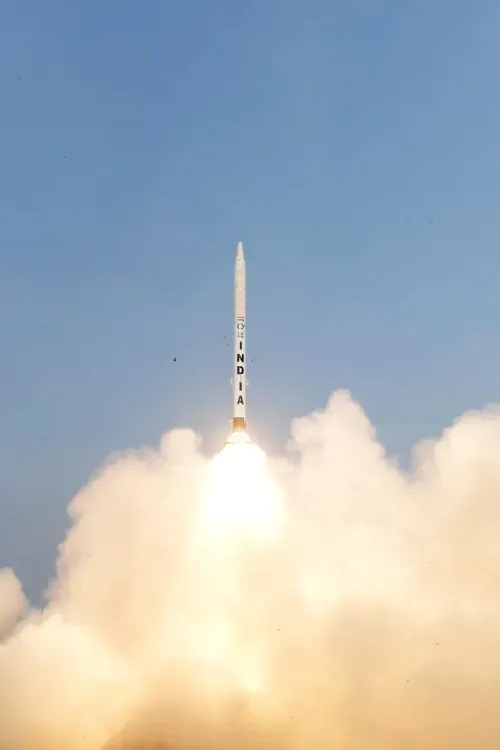
Bihar Chief Minister Samrat Choudhary on 13 June 2026 hailed DRDO's successful tests of a multi-layered Ballistic Missile Defence system and a medium-range anti-ship missile as historic proof of India's indigenous defence strength under PM Modi and Defence Minister Rajnath Singh.
Key Takeaways
Bihar CM Samrat Choudhary congratulated DRDO on 13 June 2026 for twin successful missile tests.
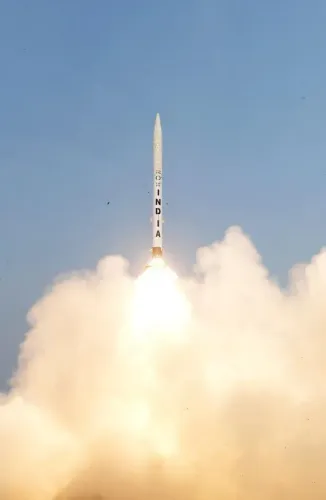
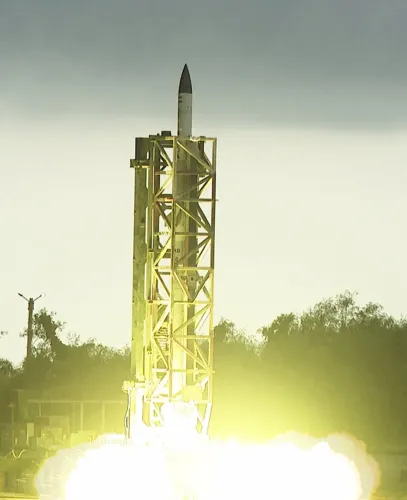
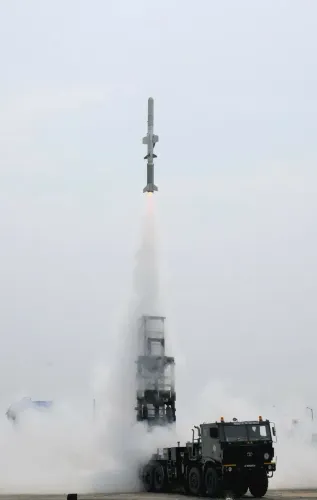
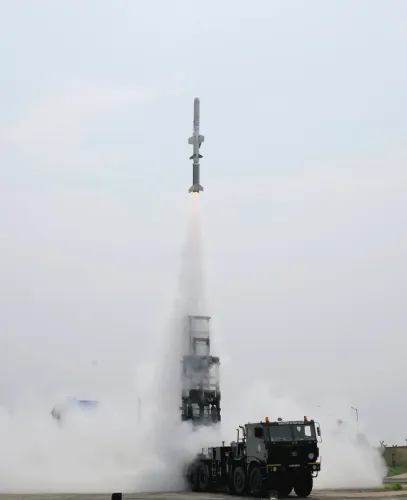
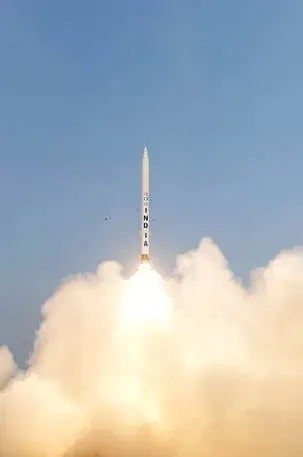
DRDO tested a multi-layered Ballistic Missile Defence (BMD) system and a medium-range anti-ship missile .
Choudhary credited the achievements to the leadership of PM Narendra Modi and guidance of Defence Minister Rajnath Singh .
India's BMD programme dates to the Integrated Guided Missile Development Programme of 1983 , with the first successful exo-atmospheric interceptor test in 2006 .
The Atmanirbhar Bharat initiative of 2020 mandated higher indigenous content for missiles, providing policy momentum to these programmes.
Induction timelines for the tested systems into the Indian Army and Indian Navy are now being closely watched.
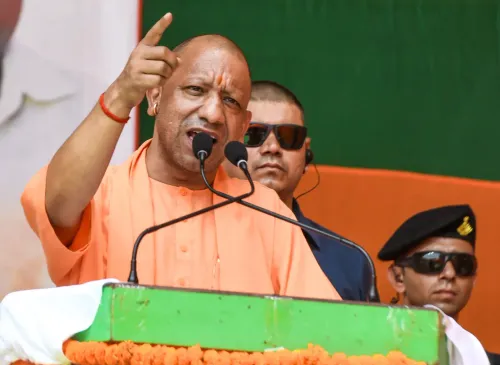
Bihar Chief Minister Samrat Choudhary on Saturday, 13 June 2026, praised the Defence Research and Development Organisation (DRDO) for successfully testing a multi-layered Ballistic Missile Defence (BMD) system and a medium-range anti-ship missile, calling the achievements a powerful demonstration of India's growing strategic capability and indigenous defence prowess.
Context
Posting on X, Choudhary described the twin tests as 'bharat ki badhti saamrik shakti aur swadeshi raksha kshamataon ka sashakt praman' — 'a strong proof of India's growing strategic strength and indigenous defence capabilities.' He extended congratulations to DRDO scientists and the entire team, calling the feat 'historic.'
The Chief Minister credited the achievements to the leadership of Prime Minister Narendra Modi and the guidance of Union Defence Minister Rajnath Singh, stating that India is today 'touching new heights in the defence sector' under their stewardship.
Policy Backdrop
India's Ballistic Missile Defence Programme has been a long-running DRDO effort to build multi-layered interceptors capable of neutralising incoming ballistic threats. The programme traces its roots to the Integrated Guided Missile Development Programme launched in 1983, which gave rise to the Prithvi and Agni missile families. The first successful exo-atmospheric BMD interceptor test was conducted in 2006, followed by multiple Prithvi Defence Vehicle trials through the 2010s.
The Atmanirbhar Bharat initiative, announced in 2020, introduced positive indigenisation lists and higher domestic content mandates for missiles and defence systems, providing fresh policy momentum to programmes like BMD and anti-ship missile development. Anti-ship missile capability has also been bolstered through successive tests of variants of the BrahMos supersonic cruise missile, co-developed with Russia and in service since 2005.
Stakeholders and Impact
The successful tests are of direct relevance to the Indian Army and the Indian Navy, which have long sought operationally ready indigenous BMD cover and precision anti-ship strike capability to reduce dependence on foreign suppliers. Defence public sector undertakings and private-sector partners involved in the supply chain stand to benefit as systems move from demonstration to induction.
For DRDO's scientific community, the milestone reinforces the organisation's role as the backbone of India's self-reliance drive in high-technology defence. It also carries diplomatic weight, signalling to strategic partners and adversaries alike that India's layered deterrence architecture is maturing.
What's Next
Attention will now turn to formal induction timelines for the tested systems into the armed forces and the allocation of dedicated funds in the forthcoming defence budget cycle. Parliamentary standing committee reviews of DRDO's programme milestones are expected to take note of the tests. Choudhary's statement reflects a wider pattern of political consensus across the ruling coalition on projecting defence indigenisation as a national achievement, suggesting continued cross-party and federal-level endorsement for accelerated DRDO programmes.
Point of View
The twin DRDO tests, if confirmed, represent a genuine step forward in India's layered deterrence architecture, a programme that has received consistent bipartisan support across governments for over four decades. The political salience of indigenous defence achievements has grown sharply since the Atmanirbhar Bharat push, making such milestones doubly valuable as both strategic assets and electoral messaging tools.
NationPress
27 Oct 2026
Frequently Asked Questions
What did DRDO test that Bihar CM Samrat Choudhary praised?
DRDO successfully tested a multi-layered Ballistic Missile Defence (BMD) system and a medium-range anti-ship missile, which Bihar CM Samrat Choudhary called a historic achievement on 13 June 2026.
What is India's Ballistic Missile Defence programme?
India's BMD programme is a DRDO-led effort to develop multi-layered interceptors capable of shooting down incoming ballistic missiles. It has been in development since the 2000s, with the first successful exo-atmospheric interceptor test conducted in 2006.
How does Atmanirbhar Bharat relate to India's missile programme?
The Atmanirbhar Bharat initiative, announced in 2020, introduced positive indigenisation lists and higher domestic content requirements for defence systems including missiles, accelerating India's self-reliance drive in high-technology defence.
Who oversees India's defence research and missile development?
The Defence Research and Development Organisation (DRDO), under the Union Ministry of Defence headed by Rajnath Singh, is India's primary agency responsible for developing missiles, aircraft and other military technologies.
What is the significance of an anti-ship missile test for India?
A successful medium-range anti-ship missile test enhances the Indian Navy's precision strike capability against naval targets, reducing dependence on foreign suppliers and strengthening India's maritime deterrence posture.