CM Sai Hails DRDO Missile Tests as Defence Self-Reliance Milestone
Synopsis
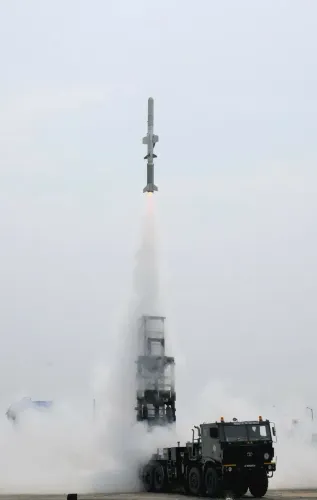
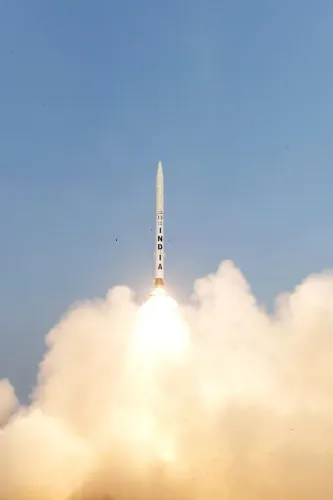
Chhattisgarh Chief Minister Vishnu Deo Sai hailed DRDO's twin missile test successes — a multi-layered ballistic missile defence system and a medium-range anti-ship missile — as a landmark in India's defence self-reliance drive under Prime Minister Modi, congratulating all scientists and researchers involved.
Key Takeaways
CM Vishnu Deo Sai publicly congratulated DRDO scientists on 13 June 2026 over two successful missile tests.
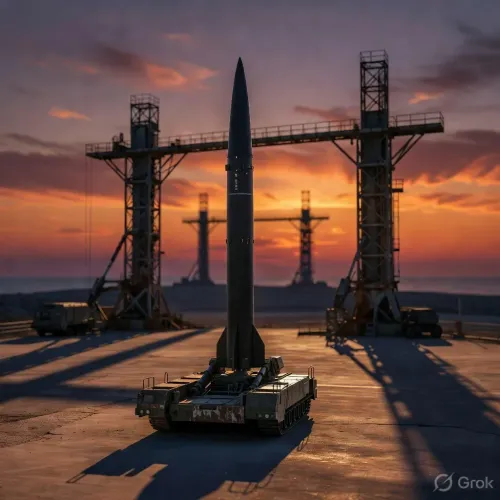
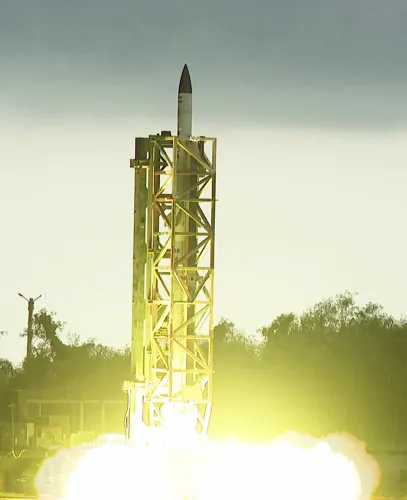
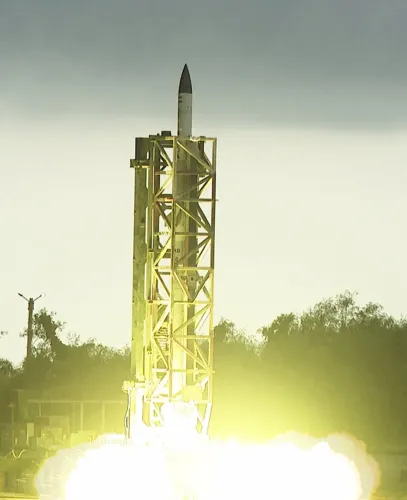
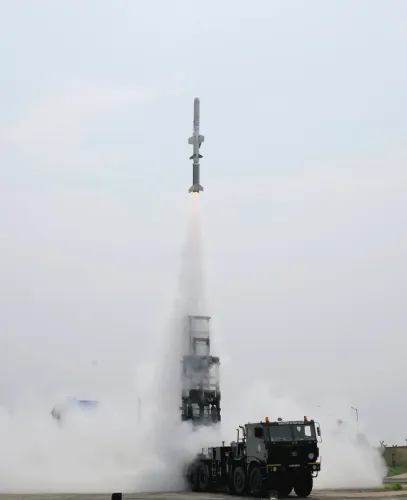
DRDO tested a multi-layered ballistic missile defence system and a medium-range anti-ship missile , per the post.
The achievements are framed within the Atmanirbhar Bharat Abhiyan , launched in May 2020 to accelerate indigenous defence production.
India's BMD programme has been under development since the 2000s , building on the Integrated Guided Missile Development Programme of 1983 .
Next steps include Ministry of Defence announcements on user trials, production orders, and induction timelines for both systems.
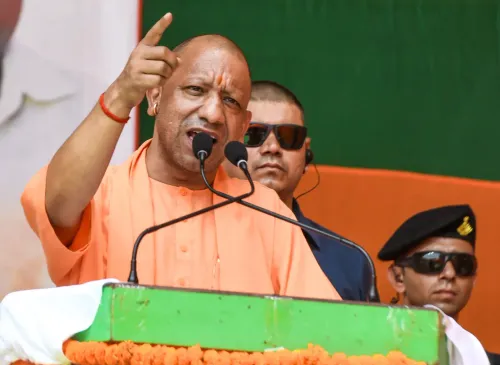
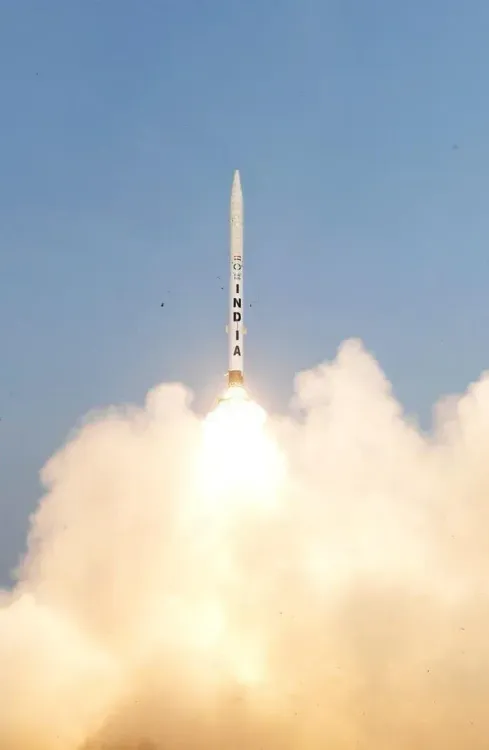
Chhattisgarh Chief Minister Vishnu Deo Sai on Saturday, 13 June 2026 congratulated DRDO scientists and researchers after the defence agency successfully tested a multi-layered ballistic missile defence system and a medium-range anti-ship missile, calling the achievements proof of India's growing strategic and technological strength under Prime Minister Narendra Modi.
Context
Posting in Hindi, CM Sai wrote that India is 'apni saamarik kshamata aur raksha aatmanirbharta ko nirantar sashakt kar raha hai' ('continuously strengthening its strategic capability and defence self-reliance') under Modi's leadership. He described the twin tests as evidence of the country's scientific talent and technical excellence, and extended his congratulations to all DRDO scientists and researchers involved. The post tagged both @narendramodi and @DRDO_India, signalling the BJP's intent to amplify the achievement at the state leadership level as well.
Policy Backdrop
The tests sit within a long arc of indigenisation policy. Prime Minister Modi launched the Atmanirbhar Bharat Abhiyan in May 2020, placing defence manufacturing at its core and pushing for a sharp reduction in weapons imports. DRDO's ballistic missile defence programme stretches back to the 2000s, building layered interceptor capability designed to counter ballistic threats at multiple altitudes. The medium-range anti-ship missile programme complements India's expanding naval strike doctrine as the country seeks to secure its maritime interests across the Indian Ocean Region.
The broader institutional foundation was laid by the Integrated Guided Missile Development Programme, initiated in 1983, which produced the Prithvi and Akash systems and established the engineering base that DRDO continues to build on today. Rising defence budgets since 2014 have accelerated this trajectory, with policy emphasis shifting decisively toward technology sovereignty.
Stakeholders and Impact
DRDO scientists and researchers are the immediate beneficiaries of the public recognition, with senior political figures across the BJP amplifying the agency's work. For the Indian Army and Indian Navy, successful tests of a multi-layered BMD system and a medium-range anti-ship missile represent potential additions to the operational inventory, subject to user trials and production orders. The developments also carry diplomatic weight, signalling India's advancing deterrence posture to regional actors.
Domestically, the narrative reinforces the government's 'Make in India' credentials ahead of an ongoing defence-sector push. State leaders like CM Sai lending their voice to central defence achievements reflects a coordinated effort to build public awareness of indigenisation milestones beyond the national capital.
What's Next
Attention will now turn to formal statements from the Ministry of Defence and DRDO on user trial timelines, production orders, and induction schedules for both the BMD system and the anti-ship missile. Successful induction into the armed forces would mark the transition from developmental milestone to operational capability — the point at which the strategic gains CM Sai highlighted would be fully realised. Progress on these fronts will be a key indicator of how quickly India can convert testing success into frontline deterrence.
Point of View
Broadening the political dividend of indigenisation successes beyond New Delhi. The dual-test narrative — layered missile defence plus naval strike capability — allows the party to address both continental and maritime security audiences simultaneously. Framing the achievement under the 'Atmanirbhar Bharat' umbrella ties a technical event to a flagship economic-nationalist programme, reinforcing the government's core identity ahead of any electoral cycle. Whether the tests translate quickly into operational induction will determine how durable that political narrative proves.
NationPress
27 Oct 2026
Frequently Asked Questions
What did DRDO test that Chhattisgarh CM Vishnu Deo Sai praised?
DRDO successfully tested a multi-layered ballistic missile defence system and a medium-range anti-ship missile, achievements that CM Sai described as proof of India's scientific talent and growing defence strength.
What is India's Atmanirbhar Bharat Abhiyan in defence?
Atmanirbhar Bharat Abhiyan was launched by Prime Minister Modi in May 2020 to accelerate indigenous defence design, development, and production, reducing dependence on weapons imports.
How long has India been developing a ballistic missile defence system?
DRDO's ballistic missile defence programme has been under development since the 2000s, building layered interceptor capability to counter ballistic threats at multiple altitudes.
Why is Chhattisgarh's CM commenting on a national defence achievement?
Senior BJP leaders at the state level routinely amplify central government defence and policy milestones as part of a coordinated effort to build public awareness of indigenisation achievements across the country.
What happens after a successful DRDO missile test?
After successful developmental tests, DRDO and the Ministry of Defence typically proceed to user trials conducted by the armed forces, followed by production orders and formal induction into the military inventory.