CM Bhajan Lal Hails DRDO BMD, Navy Missile Test Success
Synopsis
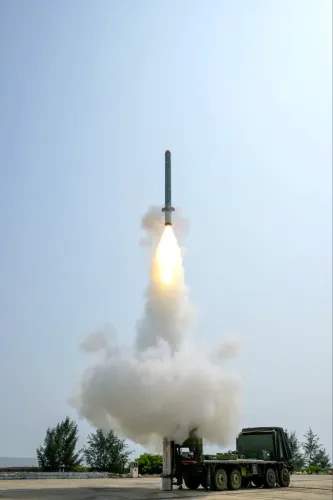
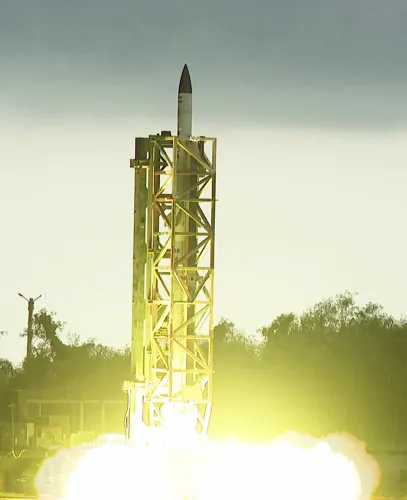
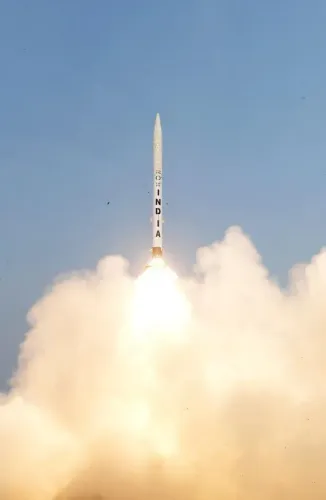
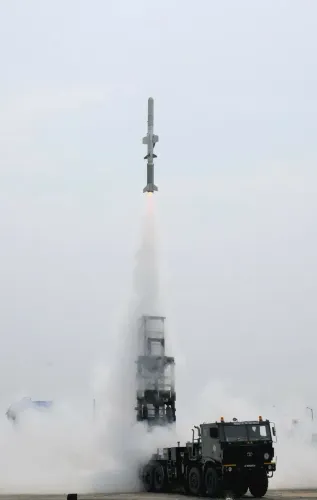
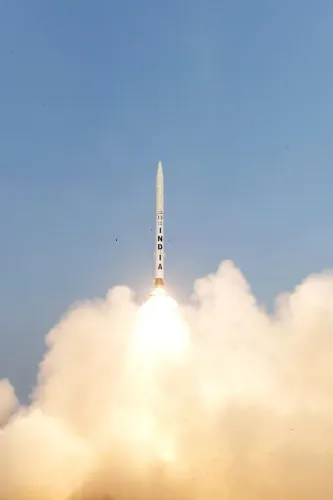
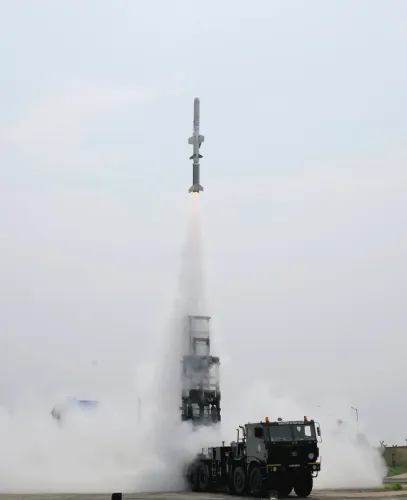
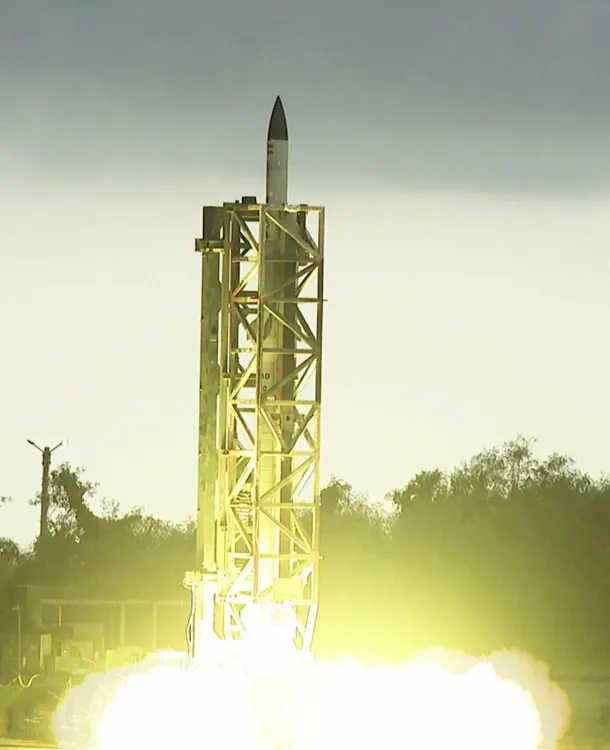
Rajasthan Chief Minister Bhajan Lal Sharma praised DRDO scientists on 13 June 2026 after India successfully demonstrated a multi-layered Ballistic Missile Defence system and conducted the Indian Navy's first medium-range anti-ship missile test, calling it a triumph of the Atmanirbhar Bharat mission.
Key Takeaways
Rajasthan CM Bhajan Lal Sharma publicly congratulated DRDO scientists and engineers on 13 June 2026 via X.
India demonstrated a multi-layered Ballistic Missile Defence (BMD) system , capable of intercepting threats at multiple atmospheric altitudes.
The Indian Navy conducted the first successful test of its medium-range anti-ship missile, an indigenously developed precision strike weapon.
Sharma linked the achievements to PM Narendra Modi 's leadership and the Atmanirbhar Bharat initiative launched in May 2020.
The CM described the milestones as a victory for 140 crore Indians and called DRDO personnel 'the shield of India's security.' Operational induction timelines for both systems into active service remain the key next milestone to watch.
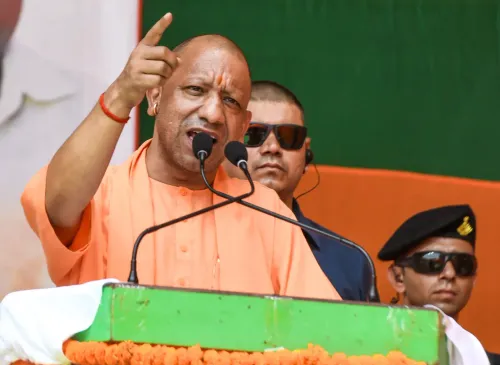
Rajasthan Chief Minister Bhajan Lal Sharma on Saturday, 13 June 2026 congratulated DRDO scientists and engineers after India demonstrated a multi-layered Ballistic Missile Defence system and conducted the first successful test of the Indian Navy's medium-range anti-ship missile, calling the achievements a victory for every Indian citizen.
Context
Sharma posted in Hindi on X, crediting the milestones to the 'visionary leadership' of Prime Minister Narendra Modi. He described the twin successes as introducing the world once again to India's growing strategic capability — 'विश्व को भारत की बढ़ती सामरिक क्षमता का परिचय' ('introducing the world to India's rising strategic capability').
The Chief Minister framed the achievements not merely as technical feats but as the fulfilment of the aspirations of 140 crore Indians, linking them to the Atmanirbhar Bharat (self-reliant India) mission that has guided defence policy since 2020.
Policy Backdrop
India's indigenous Ballistic Missile Defence programme, developed by the Defence Research and Development Organisation (DRDO) under the Ministry of Defence, aims to intercept incoming ballistic missiles at both endo- and exo-atmospheric altitudes. An earlier milestone in the programme — the Prithvi Defence Vehicle Mark-II exo-atmospheric interception test — was demonstrated in 2019.
The broader policy architecture traces back to the Atmanirbhar Bharat initiative launched in May 2020, which placed defence manufacturing and technology self-sufficiency at its core. Successive inductions of systems such as Akash and BrahMos missiles between 2015 and 2023 reflect a sustained push to reduce import dependence across all three services.
The medium-range anti-ship missile tested by the Indian Navy adds a naval strike dimension to this indigenisation arc, complementing existing ship-borne and submarine-launched weapons in the service's inventory.
Stakeholders and Impact
DRDO's scientific and engineering workforce stands at the centre of both programmes, and Sharma's post was explicitly directed at them — 'आपका समर्पण भारत की सुरक्षा का कवच है' ('your dedication is the shield of India's security'). The message reinforces civilian-political recognition of the defence research community's role in national security.
For the Indian Navy, a domestically developed medium-range anti-ship missile reduces dependence on foreign suppliers for a critical class of precision strike weapon. Operational induction of both the BMD layers and the new missile would mark a significant capability upgrade for India's deterrence posture in the Indian Ocean Region.
The announcements also carry weight for India's growing defence export ambitions, as demonstrated indigenous systems strengthen the credibility of platforms offered to partner nations.
What's Next
Attention will now turn to formal induction timelines — when the tested BMD intercept layers and the anti-ship missile will enter operational service with the armed forces. Defence budget allocations and any Republic Day 2027 parade display of the new systems will be closely watched as indicators of programme maturity.
With India consistently validating home-grown missile and defence technologies, the strategic autonomy agenda is likely to remain a centrepiece of both defence planning and political communication ahead of the next general election cycle.
Point of View
' the message broadens the political dividend beyond defence circles to a general nationalist sentiment. The dual emphasis on BMD and a naval anti-ship missile signals India's intent to project credible deterrence on both land and sea frontiers. Coming ahead of a likely defence budget cycle, such high-profile political endorsements also serve to sustain public and parliamentary support for continued R&D investment.
NationPress
13 Sept 2026
Frequently Asked Questions
What did DRDO successfully test recently?
DRDO conducted a successful demonstration of India's multi-layered Ballistic Missile Defence (BMD) system, designed to intercept incoming ballistic missiles at endo- and exo-atmospheric altitudes.
What is India's medium-range anti-ship missile?
It is an indigenously developed missile tested by the Indian Navy for the first time, intended to strike enemy ships at medium range and reduce India's dependence on foreign naval weapons.
What is the Atmanirbhar Bharat initiative in defence?
Launched in May 2020, Atmanirbhar Bharat ('Self-Reliant India') is a government policy that prioritises domestic manufacturing and technology development in defence to cut import dependence and boost strategic autonomy.
Why did Rajasthan CM Bhajan Lal Sharma comment on a defence test?
As a senior BJP leader and state Chief Minister, Sharma regularly comments on national-level achievements to express solidarity with the central government's policy agenda, particularly high-profile defence milestones.
What is India's Ballistic Missile Defence programme?
India's BMD programme, developed by DRDO, is a multi-layer system to intercept and destroy incoming ballistic missiles before they reach their targets. An earlier milestone was the Prithvi Defence Vehicle Mark-II exo-atmospheric test in 2019.