CM Mohan Yadav Hails DRDO Missile Tests as Atmanirbhar Bharat Leap
Synopsis
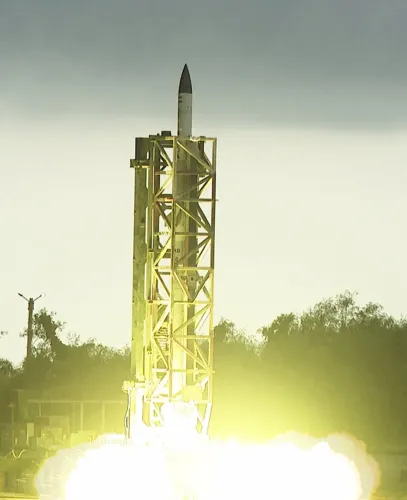
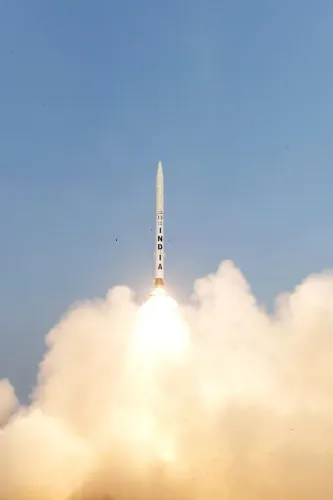
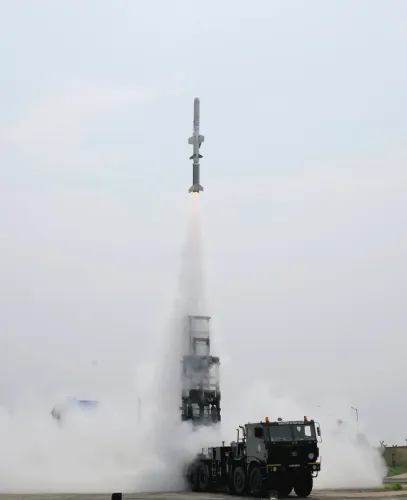
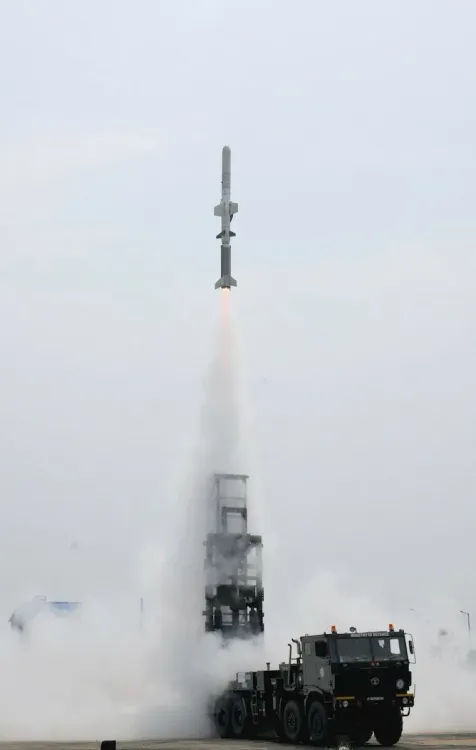
Madhya Pradesh CM Dr. Mohan Yadav on 13 June 2026 hailed DRDO's successful tests of a multi-layered ballistic missile defence system and a medium-range anti-ship missile as a landmark step in India's Atmanirbhar Bharat defence self-reliance drive under PM Modi.
Key Takeaways
Mohan Yadav , Chief Minister of Madhya Pradesh, publicly congratulated DRDO scientists and the nation on the twin missile test successes.
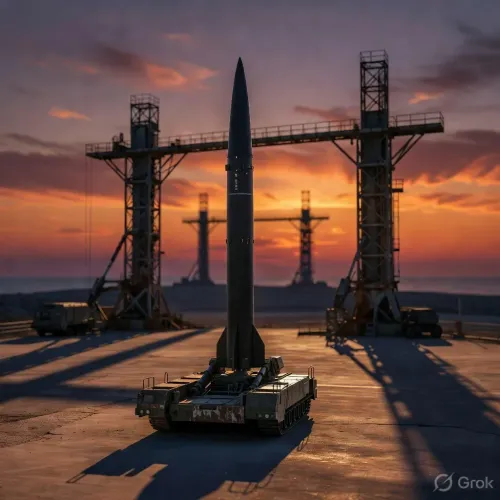
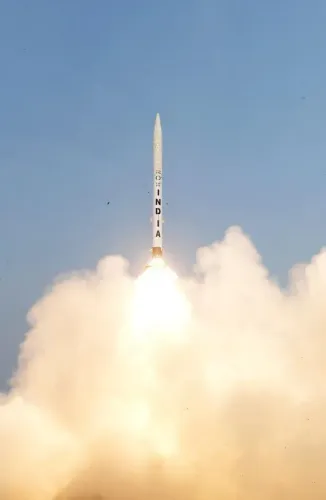
DRDO tested a multi-layered ballistic missile defence system and a medium-range anti-ship missile , both indigenously developed.
The achievements are framed as milestones under the Atmanirbhar Bharat self-reliance campaign, launched in 2020 .
India's indigenous missile programme traces its roots to the Integrated Guided Missile Development Programme of 1983 .
The Indian armed forces — particularly the Navy — are the primary end-users and would need to conduct user trials before formal induction.
Further procurement decisions and defence-budget allocations will determine the timeline for operational deployment of the new systems.
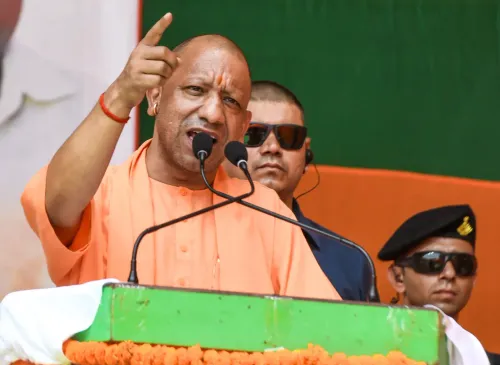
Madhya Pradesh Chief Minister Dr. Mohan Yadav on Saturday, 13 June 2026, congratulated DRDO scientists and the nation after India successfully tested a multi-layered ballistic missile defence system and a medium-range anti-ship missile, calling the achievements a symbol of the country's growing strategic strength under Prime Minister Narendra Modi.
Context
In his post on X, Dr. Yadav described the twin tests as 'आत्मनिर्भर भारत का मजबूत कदम' — 'a strong step for a self-reliant India' — in the defence sector. He credited DRDO (Defence Research and Development Organisation) with the milestone and extended congratulations to all its scientists as well as to fellow citizens. The tests involved two distinct systems: a multi-layered ballistic missile defence system and a medium-range anti-ship missile, both developed indigenously.
Policy Backdrop
The tests sit squarely within the Atmanirbhar Bharat framework, the national self-reliance campaign launched in 2020 that set explicit targets for domestic defence production and technology development. India's pursuit of indigenous missile capability stretches back to the Integrated Guided Missile Development Programme initiated by DRDO in 1983, which established the foundation for successive generations of ballistic and cruise missiles, including the Agni and Prithvi families. Under the current administration, the pace of DRDO flight trials and production partnerships with domestic industry has accelerated markedly, with the government simultaneously tightening restrictions on defence imports to push the armed forces toward home-grown solutions.
Prime Minister Narendra Modi, who has been in office since 2014, has repeatedly framed indigenous defence manufacturing as both a strategic and economic imperative — reducing foreign-exchange outflows, creating high-skill jobs, and insulating India's security apparatus from geopolitical supply-chain pressures.
Stakeholders and Impact
The primary beneficiaries of these advances are the Indian armed forces — the Army, Navy, and Air Force — which would be the end-users of both the missile defence shield and the anti-ship missile. A credible multi-layered ballistic missile defence capability strengthens India's deterrence posture against aerial and missile threats, while a domestically built medium-range anti-ship missile enhances the Indian Navy's reach and strike options in contested maritime zones. DRDO scientists, whose decades of sustained work underpin these programmes, are the acknowledged architects of the achievement. Domestic defence-industry partners who manufacture components and sub-systems also stand to benefit as production scales up toward potential induction.
For Madhya Pradesh, the Chief Minister's vocal endorsement of national defence milestones underscores the state's own stake in the defence-manufacturing ecosystem, with several defence-related public-sector units and ordnance facilities located in the state.
What's Next
Analysts and defence watchers will look for formal user trials conducted by the armed forces following the successful developmental tests, which are a prerequisite before any system is cleared for induction. Procurement decisions and potential budgetary allocations in the next defence budget will indicate how quickly these systems move from the laboratory to operational deployment. Any follow-on announcements from the Ministry of Defence or DRDO regarding production timelines, unit costs, or export potential will further define the strategic and commercial significance of these tests.
Point of View
The statement serves both a patriotic and a partisan signalling function. The twin tests — a layered missile defence shield and an anti-ship missile — address two distinct threat domains, suggesting DRDO is advancing on a broad front rather than concentrating on a single capability. If user trials proceed smoothly and induction follows, these systems could meaningfully alter India's deterrence calculus in both the continental and maritime theatres.
NationPress
14 Sept 2026
Frequently Asked Questions
What did DRDO test that CM Mohan Yadav congratulated?
DRDO successfully tested a multi-layered ballistic missile defence system and a medium-range anti-ship missile, both indigenously developed, which Chief Minister Dr. Mohan Yadav praised on 13 June 2026.
What is Atmanirbhar Bharat in defence?
Atmanirbhar Bharat is a national self-reliance campaign launched in 2020 that includes explicit targets for domestic defence production, aiming to reduce India's dependence on imported weapons and technology.
What is DRDO and what does it do?
DRDO, the Defence Research and Development Organisation, is India's primary state-run defence research agency responsible for developing missiles, radar systems, and other strategic technologies for the Indian armed forces.
What is India's ballistic missile defence programme?
India has been developing a multi-layered ballistic missile defence system through DRDO to intercept incoming ballistic missiles at different altitudes, building on decades of missile research dating back to the Integrated Guided Missile Development Programme of 1983.
Will the newly tested DRDO missiles be inducted into the Indian armed forces?
Successful developmental tests are a prerequisite, but formal induction requires subsequent user trials conducted by the armed forces and procurement approval; timelines will likely be clarified in future Ministry of Defence announcements.