CM Dhami Hails DRDO Missile Tests as Atmanirbhar Bharat Win
Synopsis
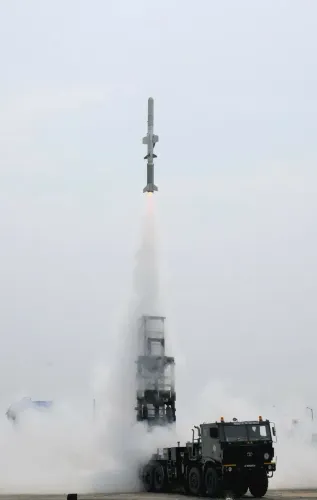
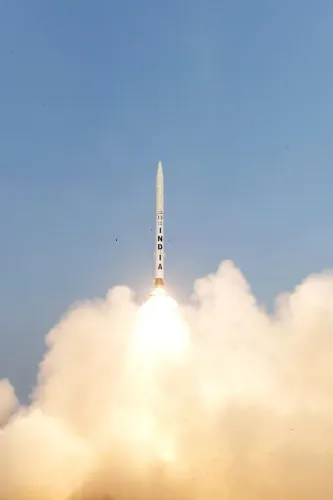
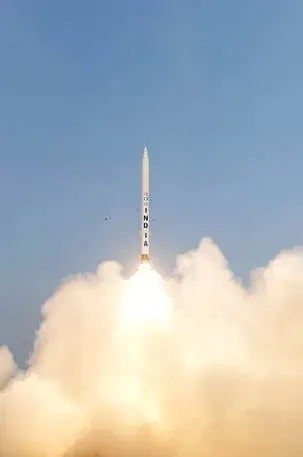
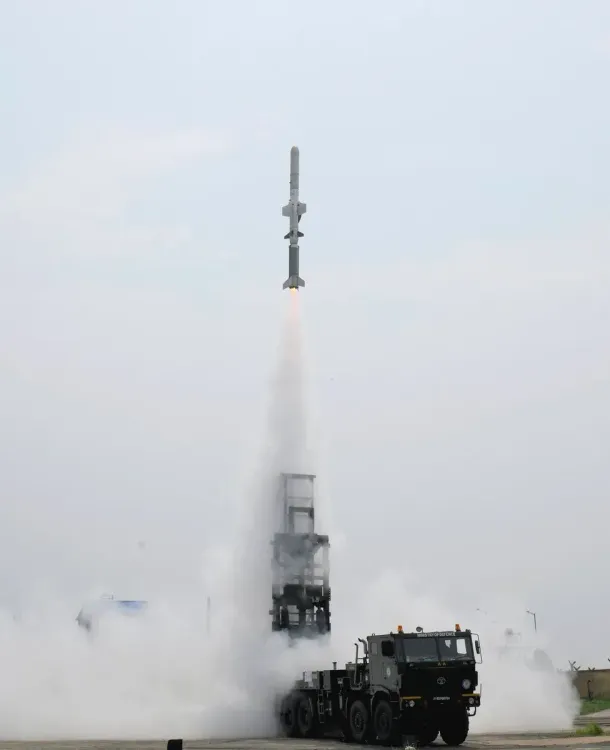
Uttarakhand CM Pushkar Singh Dhami praised DRDO on 13 June 2026 for successfully testing a Ballistic Missile Defence system and a naval anti-ship missile, calling the achievements a reinforcement of India's strategic strength and the Atmanirbhar Bharat vision under PM Modi.
Key Takeaways
CM Pushkar Singh Dhami congratulated DRDO scientists on 13 June 2026 following dual successful missile tests.
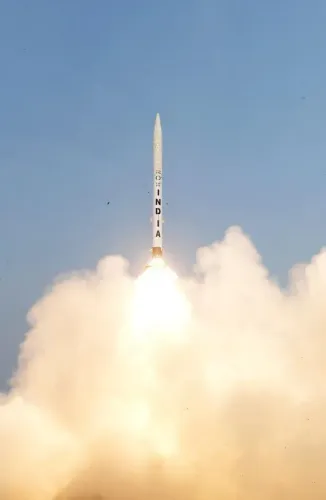
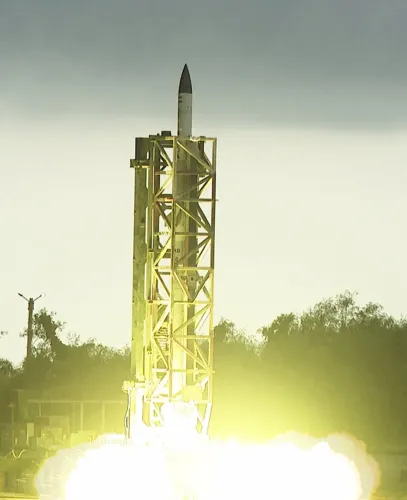
DRDO tested a Ballistic Missile Defence (BMD) system and a naval anti-ship missile in the same testing cycle.
Dhami credited the achievements to PM Narendra Modi's leadership and described them as advancing Atmanirbhar Bharat and Viksit Bharat goals.
India's missile defence programme has roots in the Integrated Guided Missile Development Programme launched in the 1980s .
The tests signal potential downstream moves on production clearances and defence budget allocations for indigenous missile programmes.
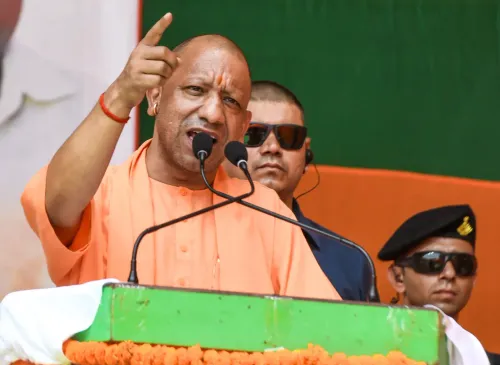
Uttarakhand Chief Minister Pushkar Singh Dhami on Saturday, 13 June 2026 congratulated DRDO scientists and researchers after the defence organisation successfully tested a Ballistic Missile Defence (BMD) system and a naval anti-ship missile, calling the achievements a testament to India's growing strategic strength and scientific capability.
Posting on X in Hindi, CM Dhami said that under the 'visionary leadership and guidance' of Prime Minister Narendra Modi, India is 'continuously reaching new heights in the defence sector.' He described the twin tests as reinforcing the country's resolve toward Atmanirbhar Bharat (self-reliant India) and as 'an important step in the direction of building a Viksit Bharat' (developed India).
Context
DRDO, operating under the Ministry of Defence, is India's apex body for research and development of defence technologies, including missile and strategic systems. The organisation's latest tests covered two distinct domains: a Ballistic Missile Defence system designed to intercept incoming ballistic threats, and a naval anti-ship missile intended to strengthen maritime strike capabilities. CM Dhami extended 'heartfelt congratulations and best wishes' to all DRDO scientists and researchers involved.
Policy Backdrop
India's missile defence and naval strike programmes trace their lineage to the Integrated Guided Missile Development Programme (IGMDP), initiated in the 1980s, which built the institutional and technological base for successive DRDO breakthroughs. Multiple BMD interceptor trials were conducted through the 2000s and 2010s, progressively maturing a layered defence architecture. The Atmanirbhar Bharat initiative, launched in 2020, gave fresh policy impetus to indigenous defence production, setting explicit targets to reduce import dependence and expand domestic R&D capacity. Defence indigenisation has since been a recurring theme in government communications, with DRDO demonstrations frequently cited as proof of that trajectory.
Stakeholders and Impact
The primary stakeholders are DRDO's scientific community and the Indian Armed Forces — particularly the Indian Navy, which stands to benefit from advances in anti-ship missile technology, and the broader tri-service establishment that relies on a credible missile defence umbrella. Successful tests also carry industrial implications: they signal potential production clearances and budget allocations for domestic defence manufacturers under the Atmanirbhar Bharat framework. India's strategic posture vis-à-vis regional adversaries is a long-term variable that analysts will watch as these systems move toward induction.
What's Next
Attention will now turn to the Ministry of Defence for official statements on system integration timelines, user trials with the armed services, and production clearances for the tested technologies. Budget outlays for the missile programmes and any formal induction announcements will be closely tracked. Further DRDO test schedules — particularly for follow-on validation trials — are expected to be announced as the systems progress toward operational readiness.
Point of View
Spanning both strategic BMD and naval strike domains, allows the party to project technological breadth rather than a single-domain win. Framing the tests through both 'Atmanirbhar Bharat' and 'Viksit Bharat' slogans deliberately links defence R&D to the broader economic self-reliance story, widening the political dividend. The pattern also reflects a deliberate strategy of keeping DRDO's scientific community visible in public discourse, building institutional prestige for indigenous defence over imported alternatives.
NationPress
13 Sept 2026
Frequently Asked Questions
What did DRDO test that CM Dhami congratulated them for?
DRDO successfully tested a Ballistic Missile Defence (BMD) system and a naval anti-ship missile, achievements that CM Pushkar Singh Dhami hailed on 13 June 2026 as a boost to India's strategic strength.
What is Atmanirbhar Bharat in defence?
Atmanirbhar Bharat, launched in 2020, is India's self-reliance initiative that includes specific targets for indigenous defence production and reducing dependence on foreign arms imports, with DRDO as a central pillar.
What is India's Ballistic Missile Defence programme?
India's BMD programme, developed by DRDO, aims to build a layered defence system capable of intercepting incoming ballistic missiles. Multiple interceptor trials were conducted through the 2000s and 2010s, building on the foundation of the 1980s Integrated Guided Missile Development Programme.
Why is the naval anti-ship missile test significant?
A successful naval anti-ship missile test strengthens the Indian Navy's maritime strike capability using indigenously developed technology, reducing reliance on foreign suppliers and advancing Atmanirbhar Bharat defence goals.
What happens after a successful DRDO missile test?
After a successful test, the focus shifts to user trials with the armed services, system integration timelines, production clearances from the Ministry of Defence, and budget allocations for scaling up the programme.